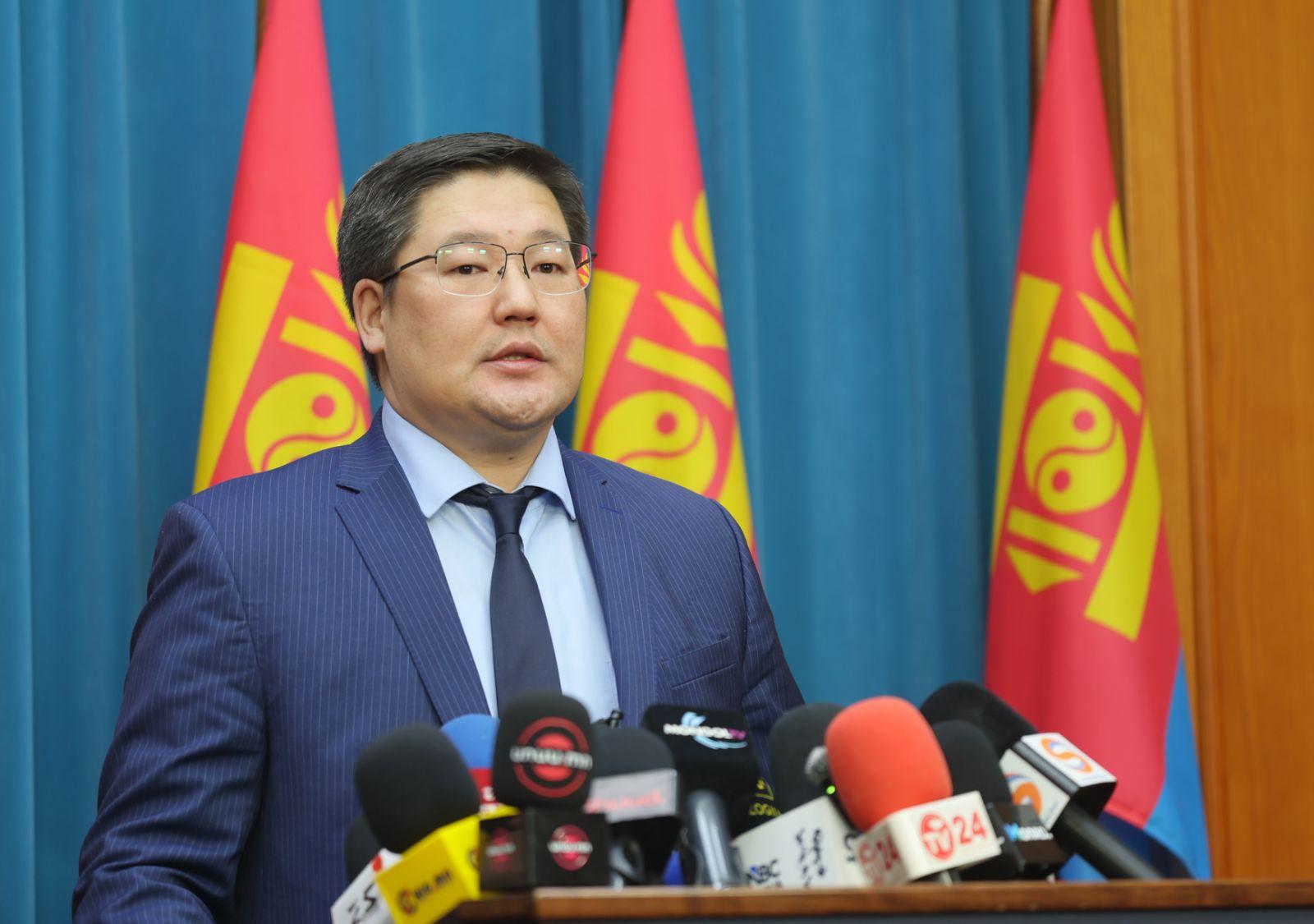
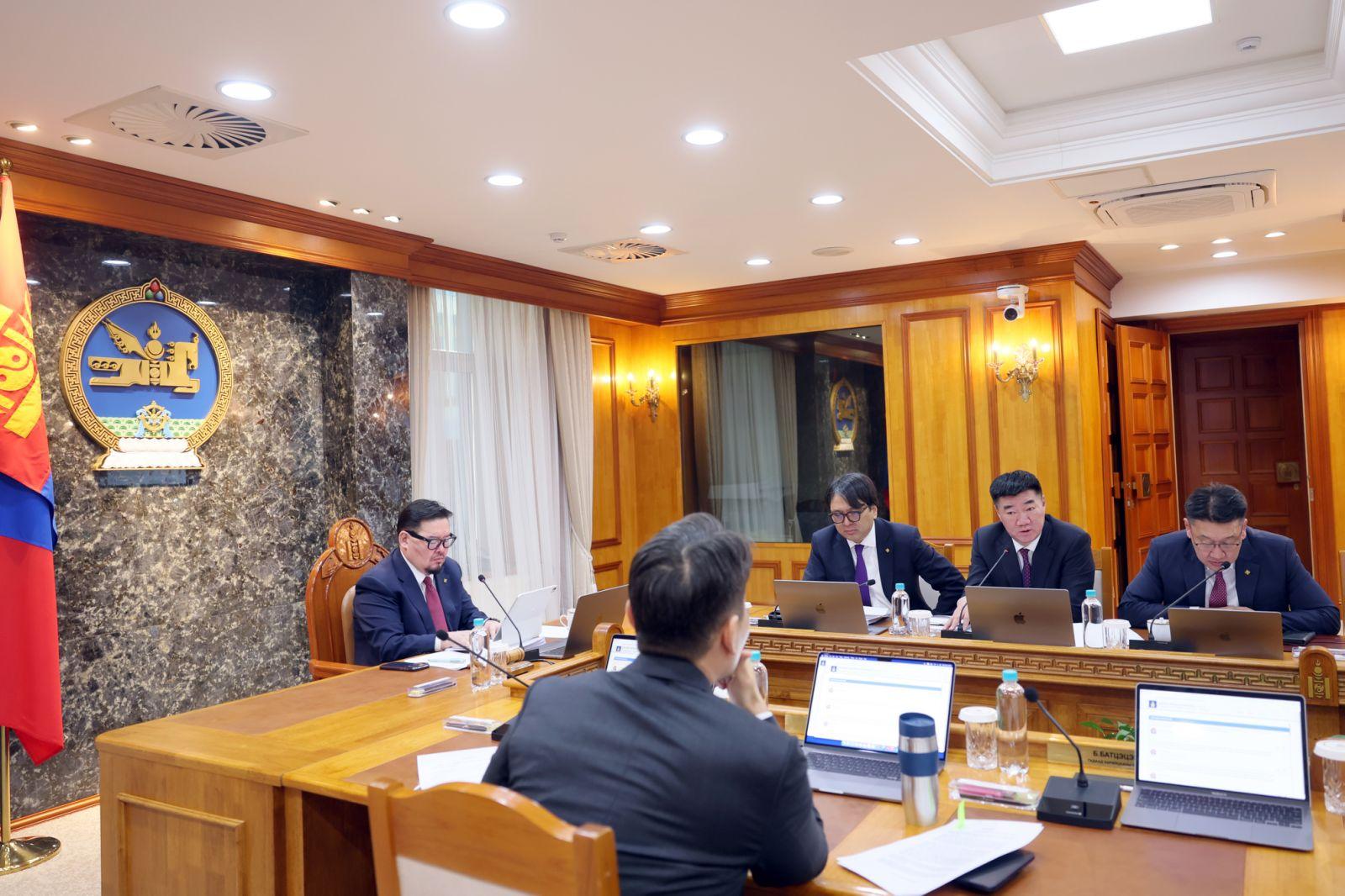
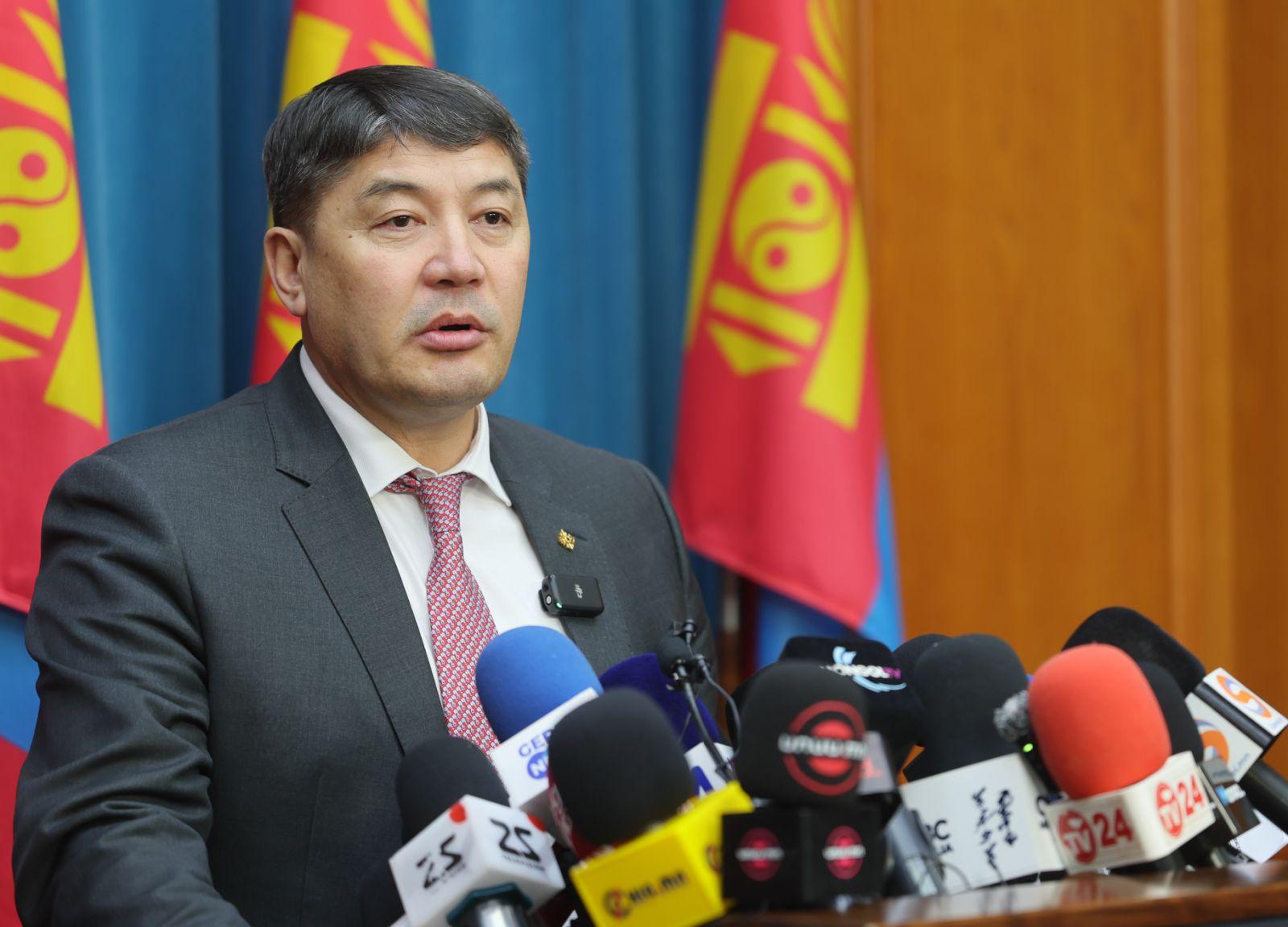
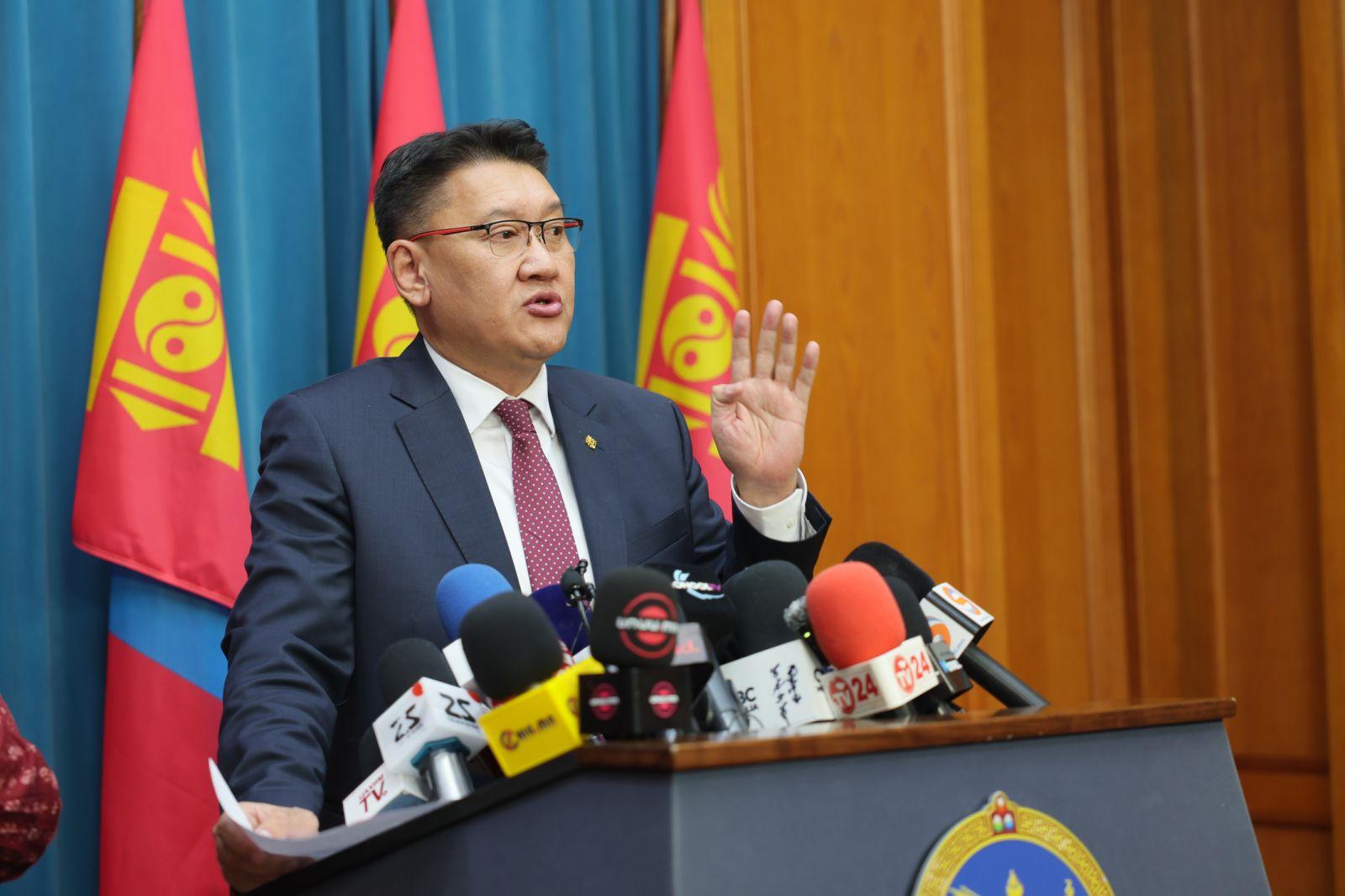
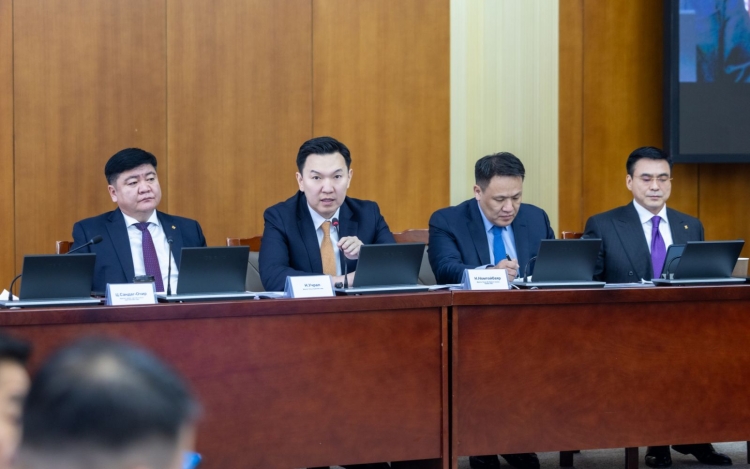
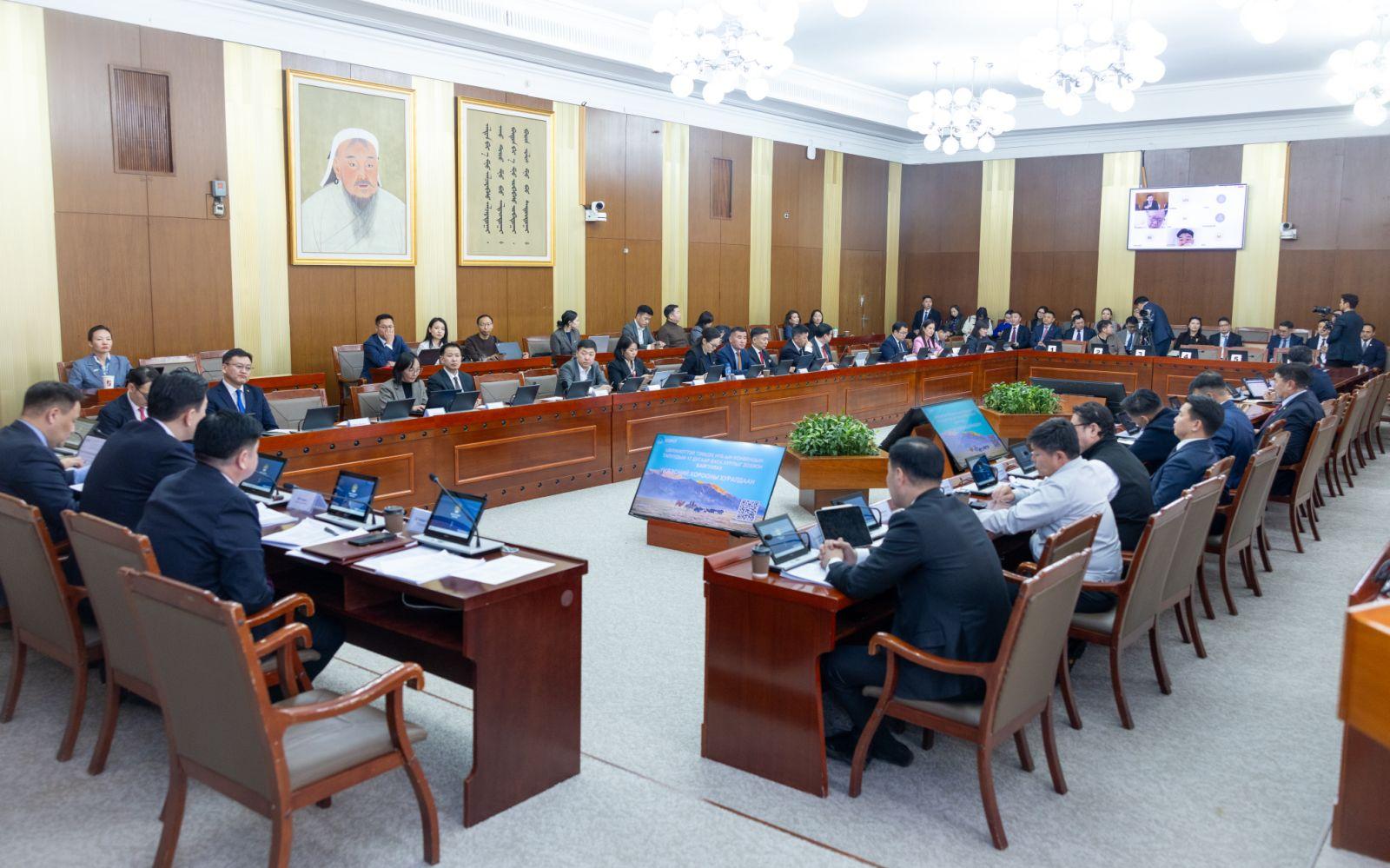
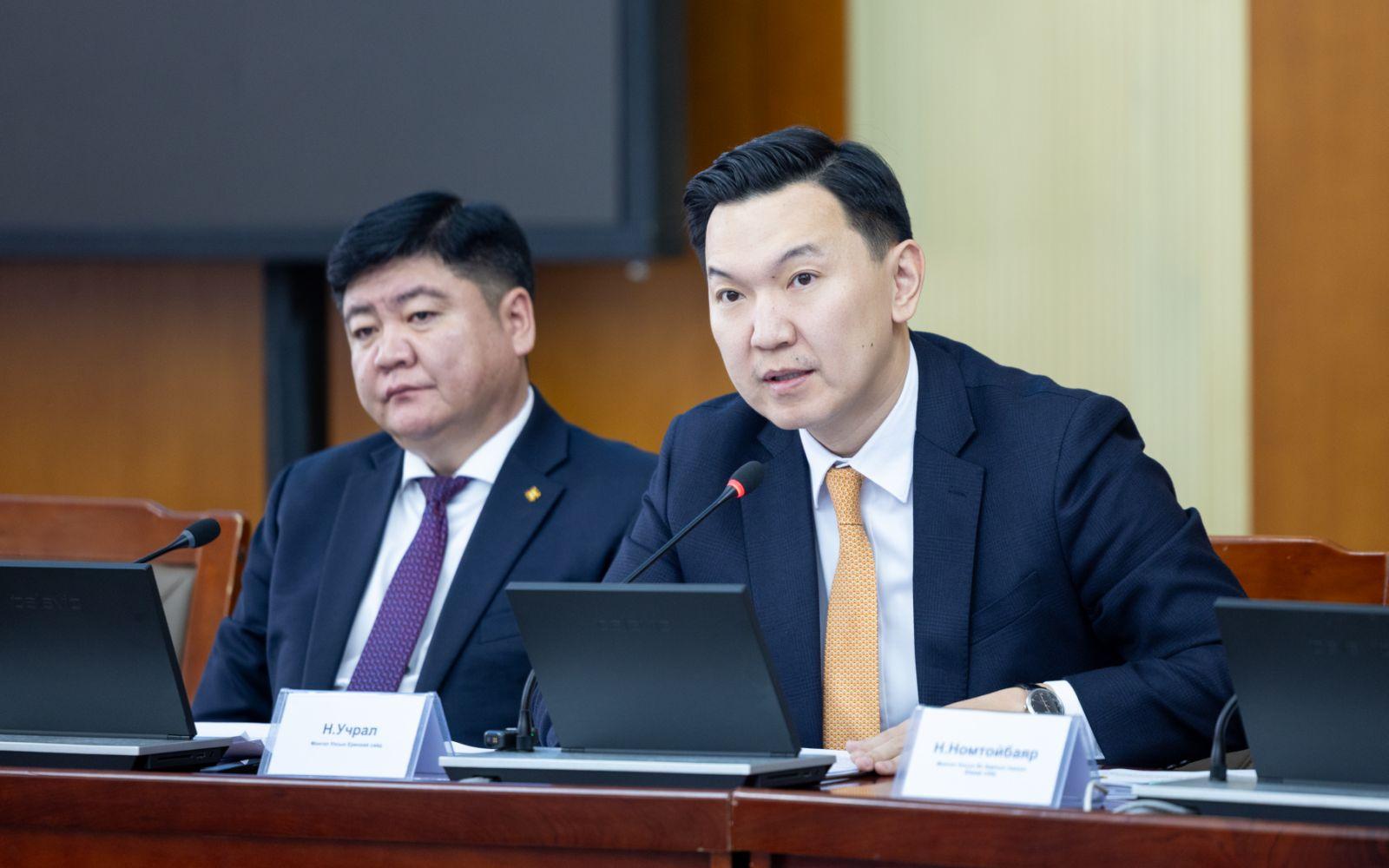
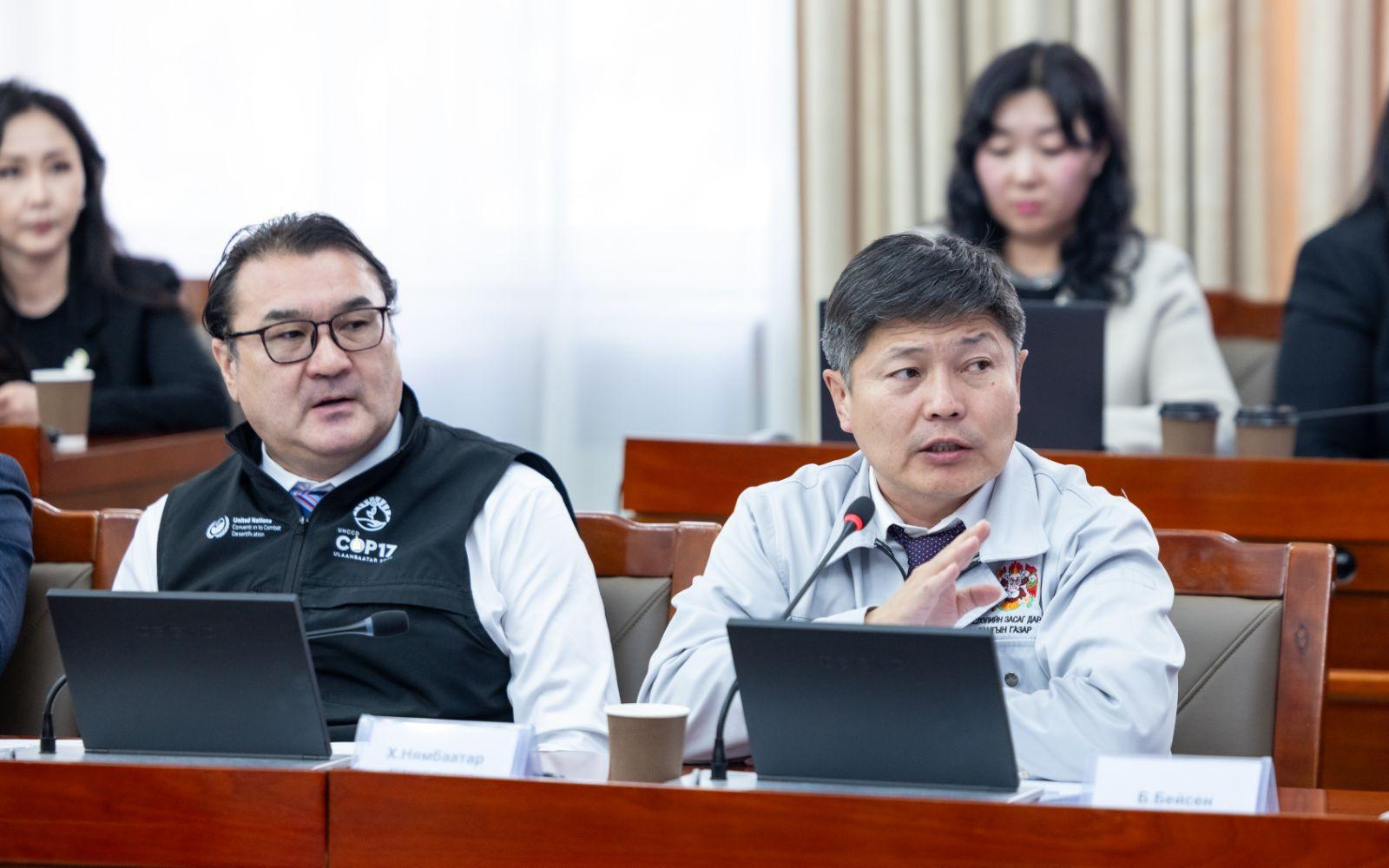
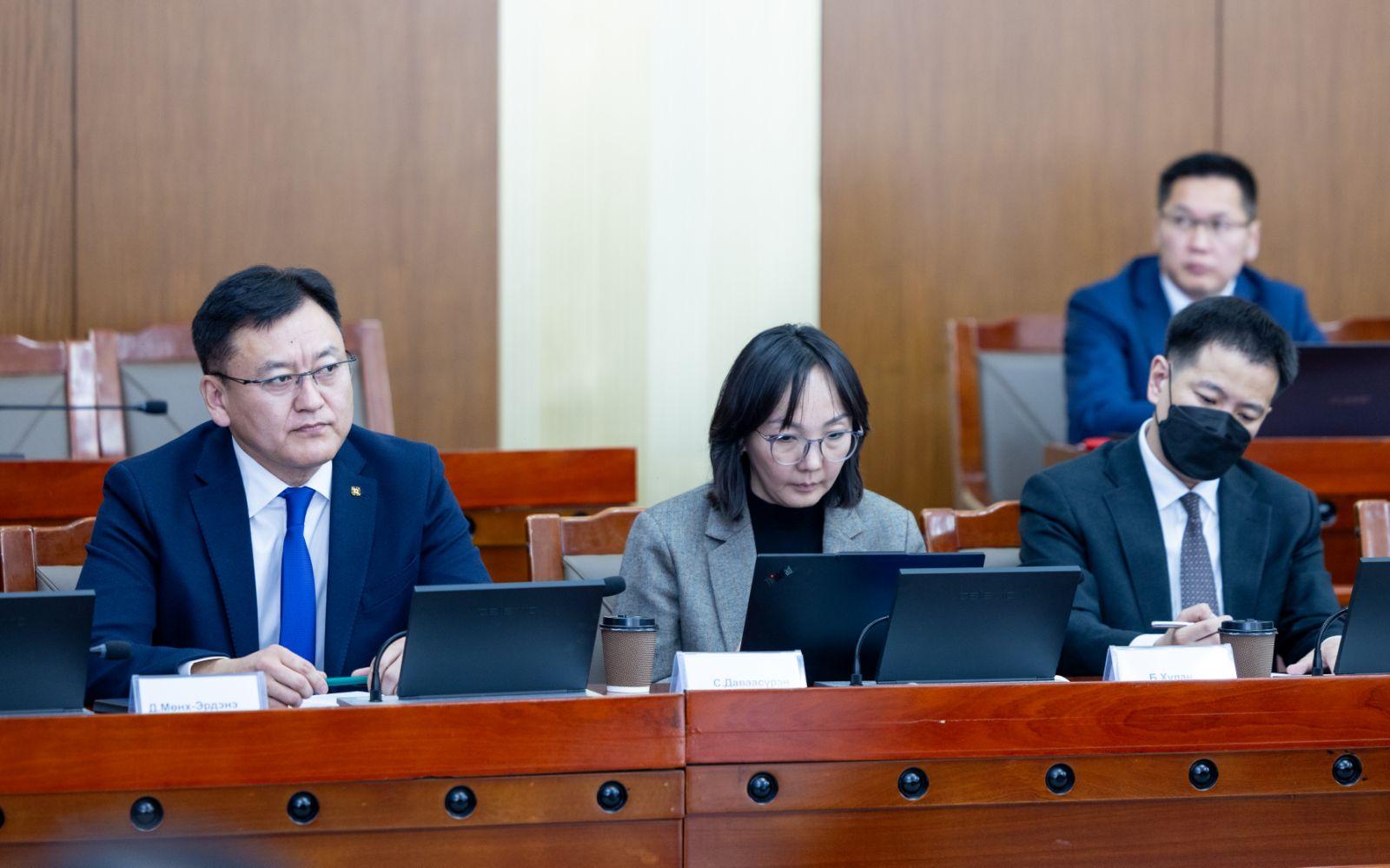
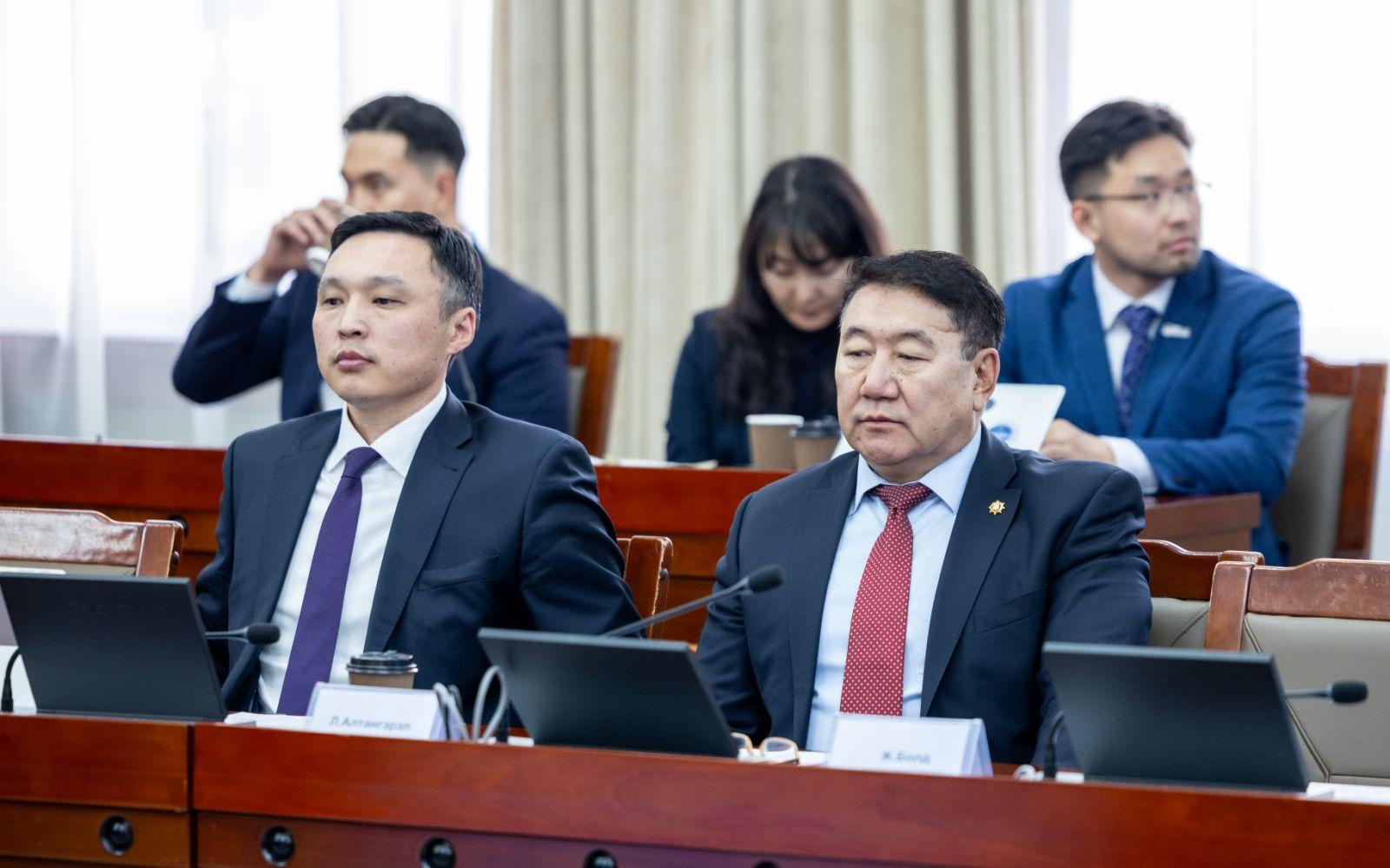
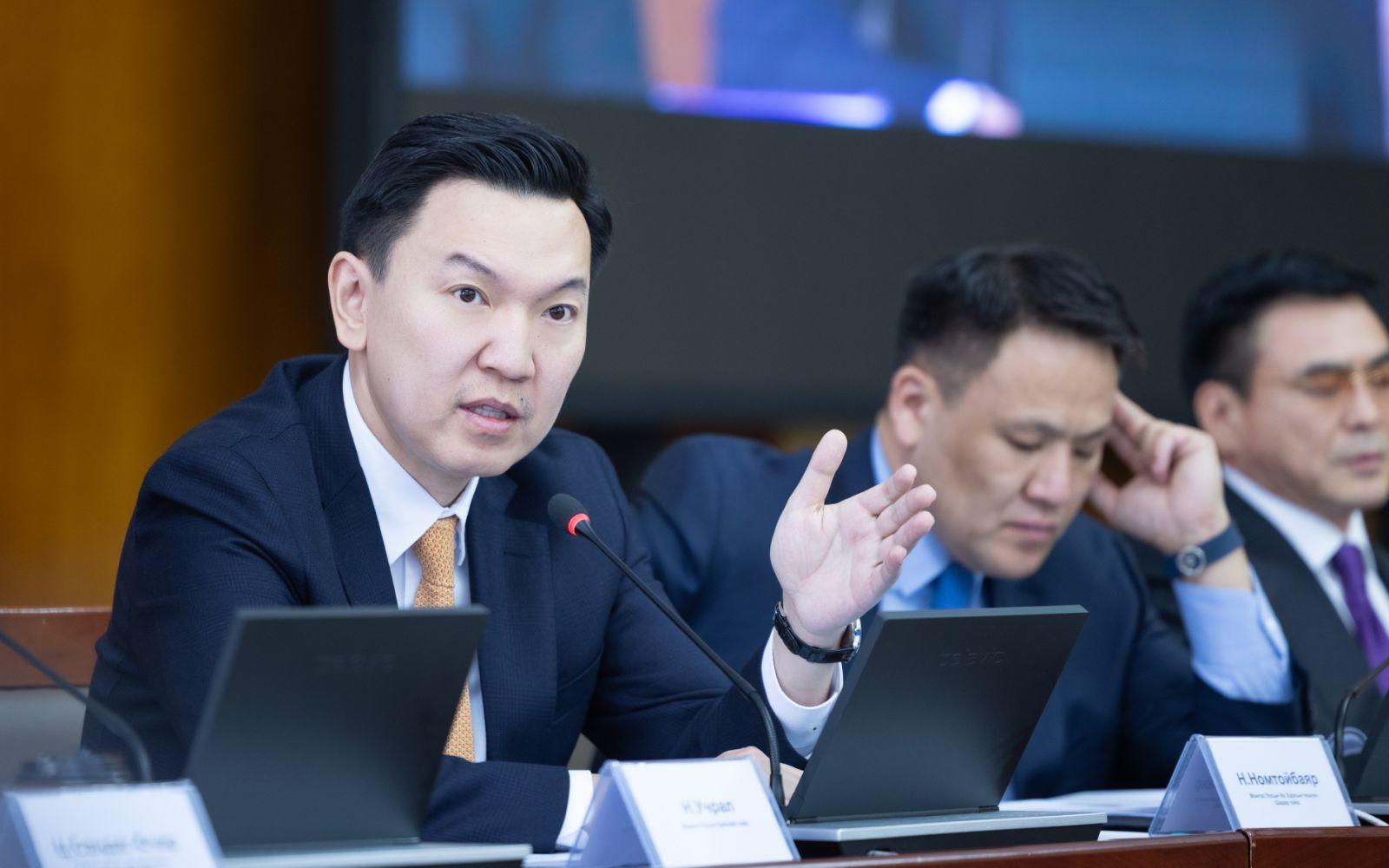
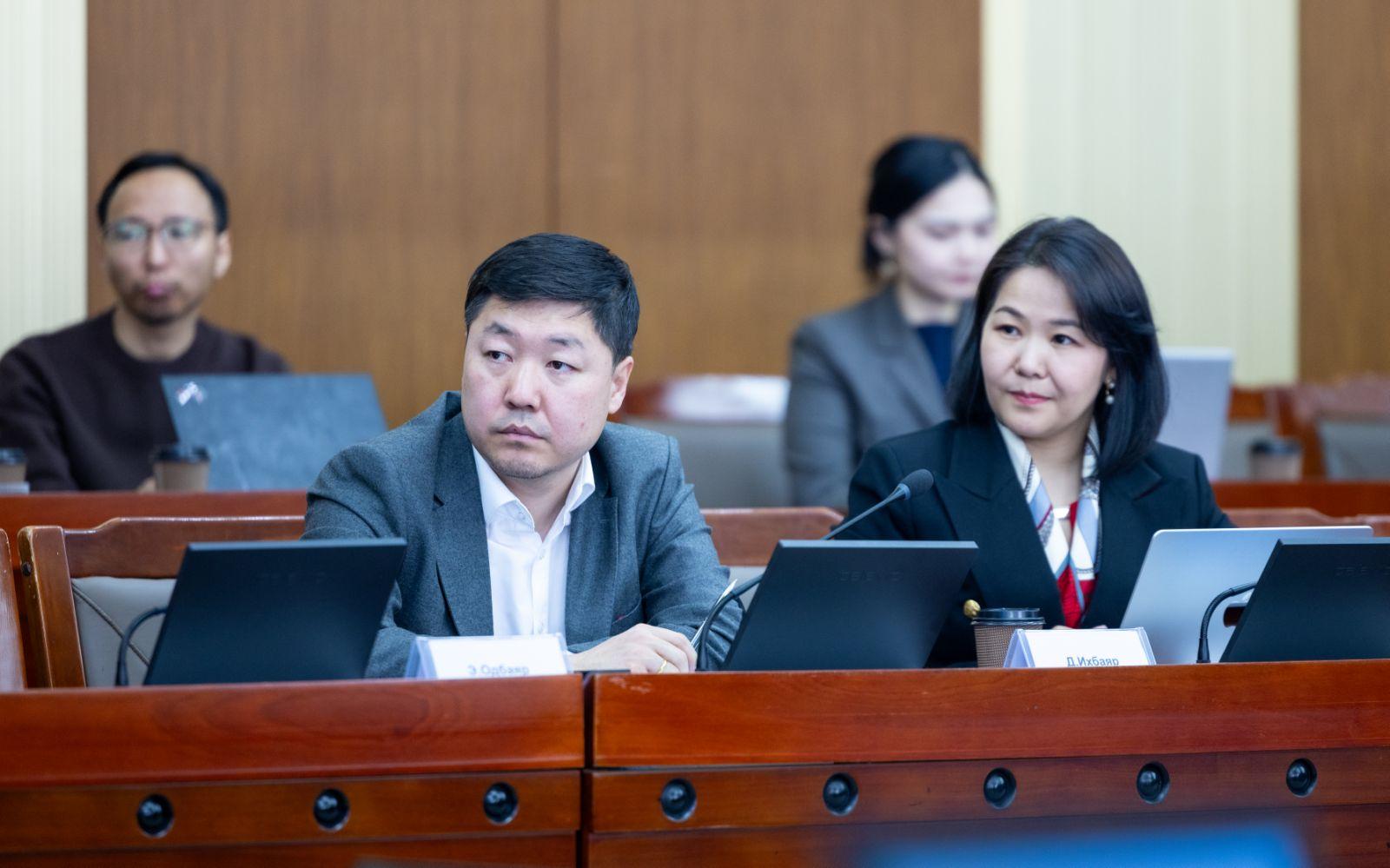
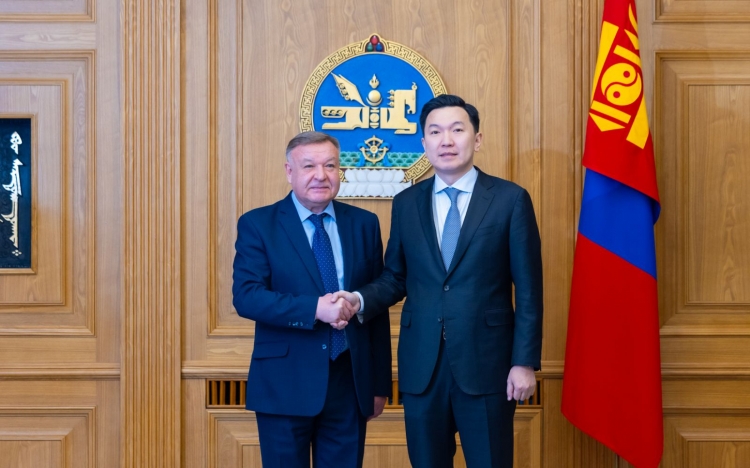
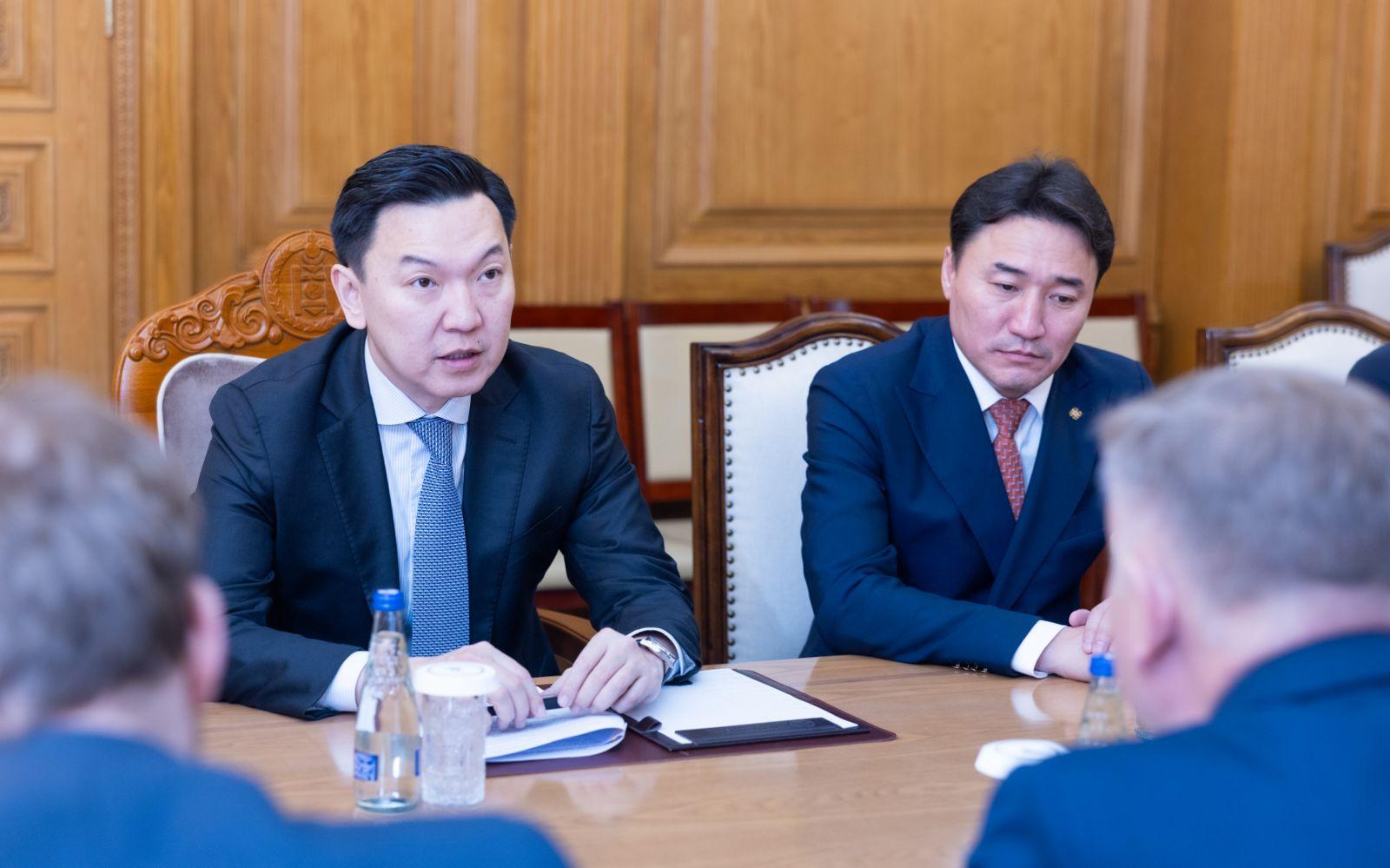
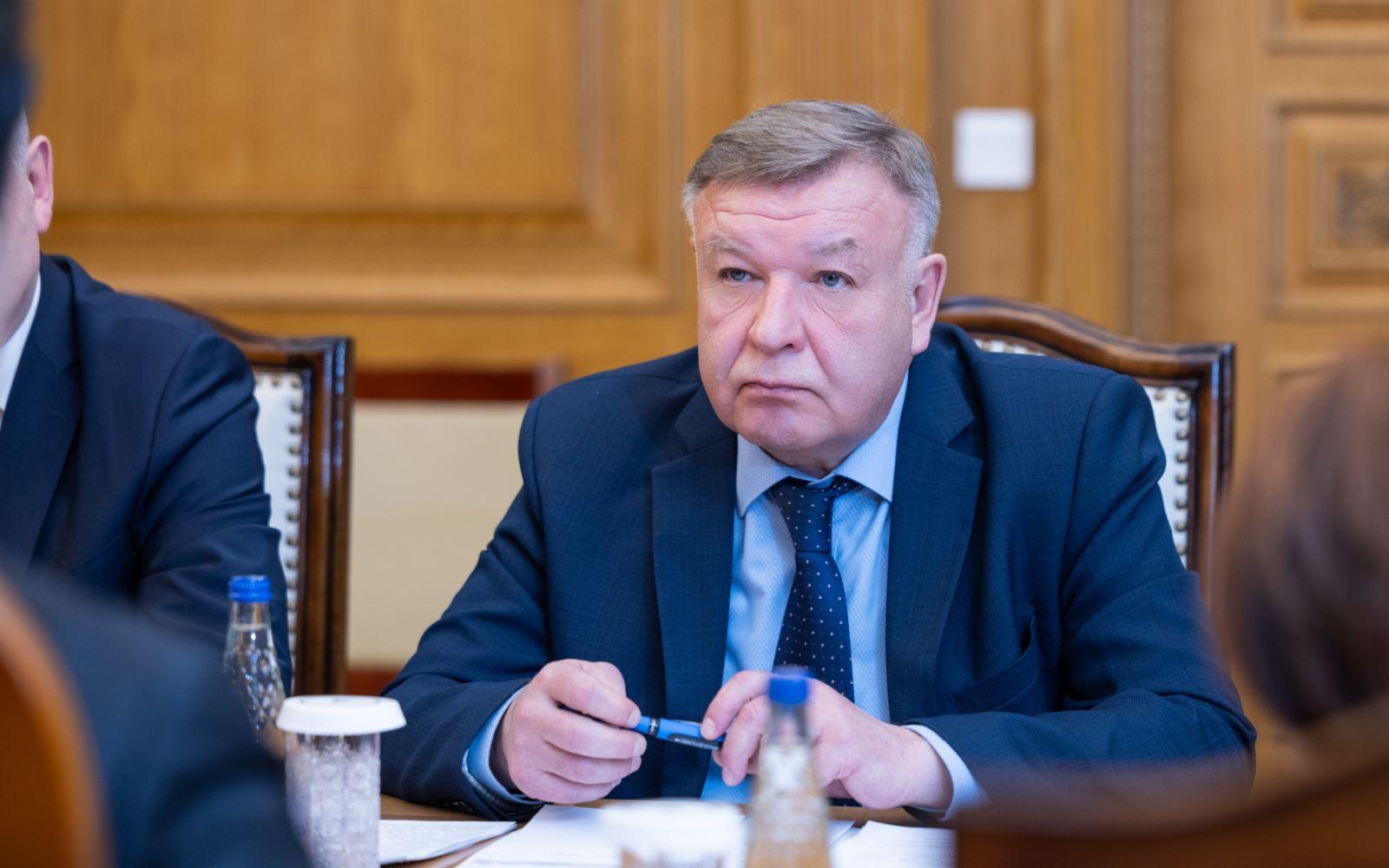
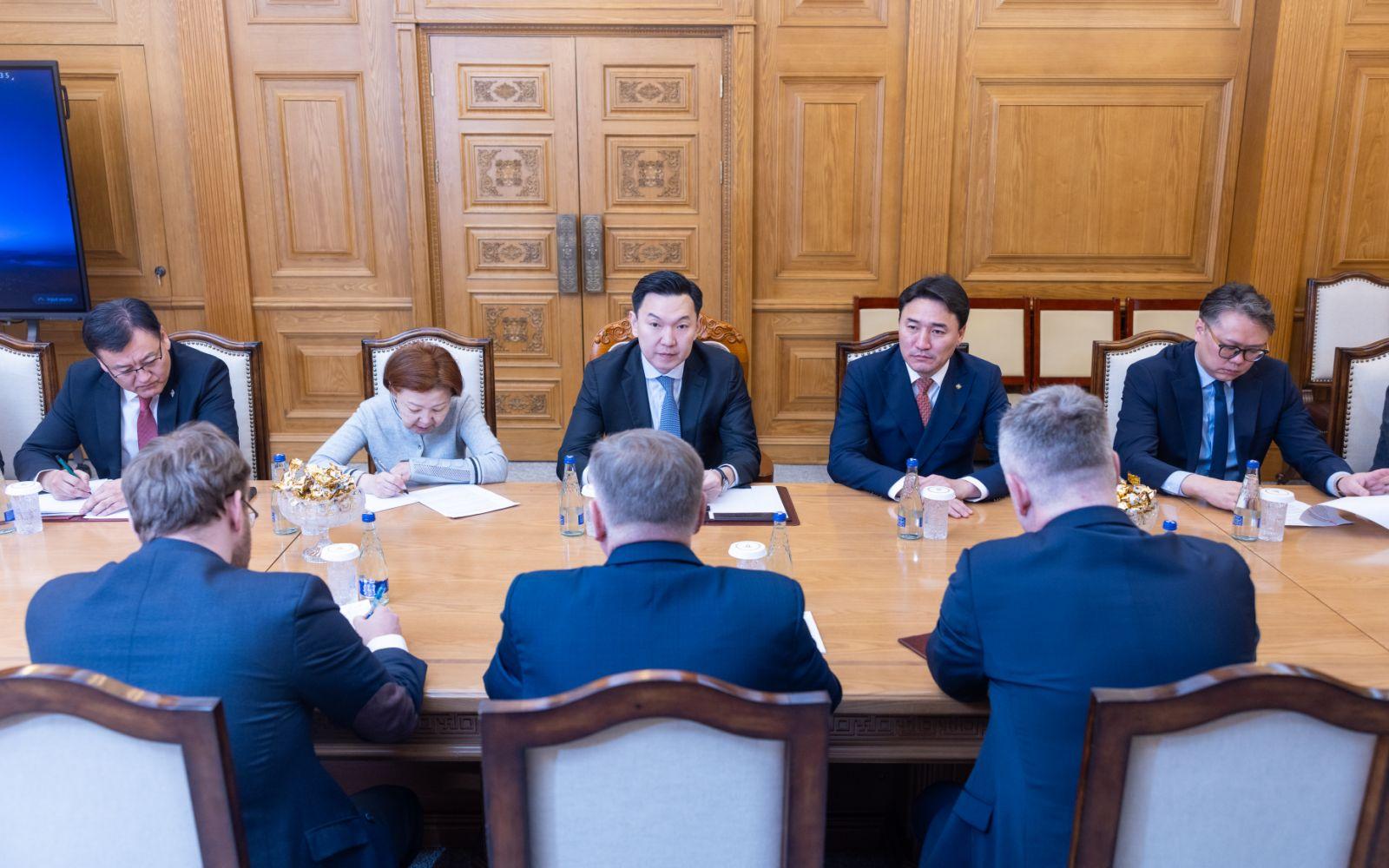
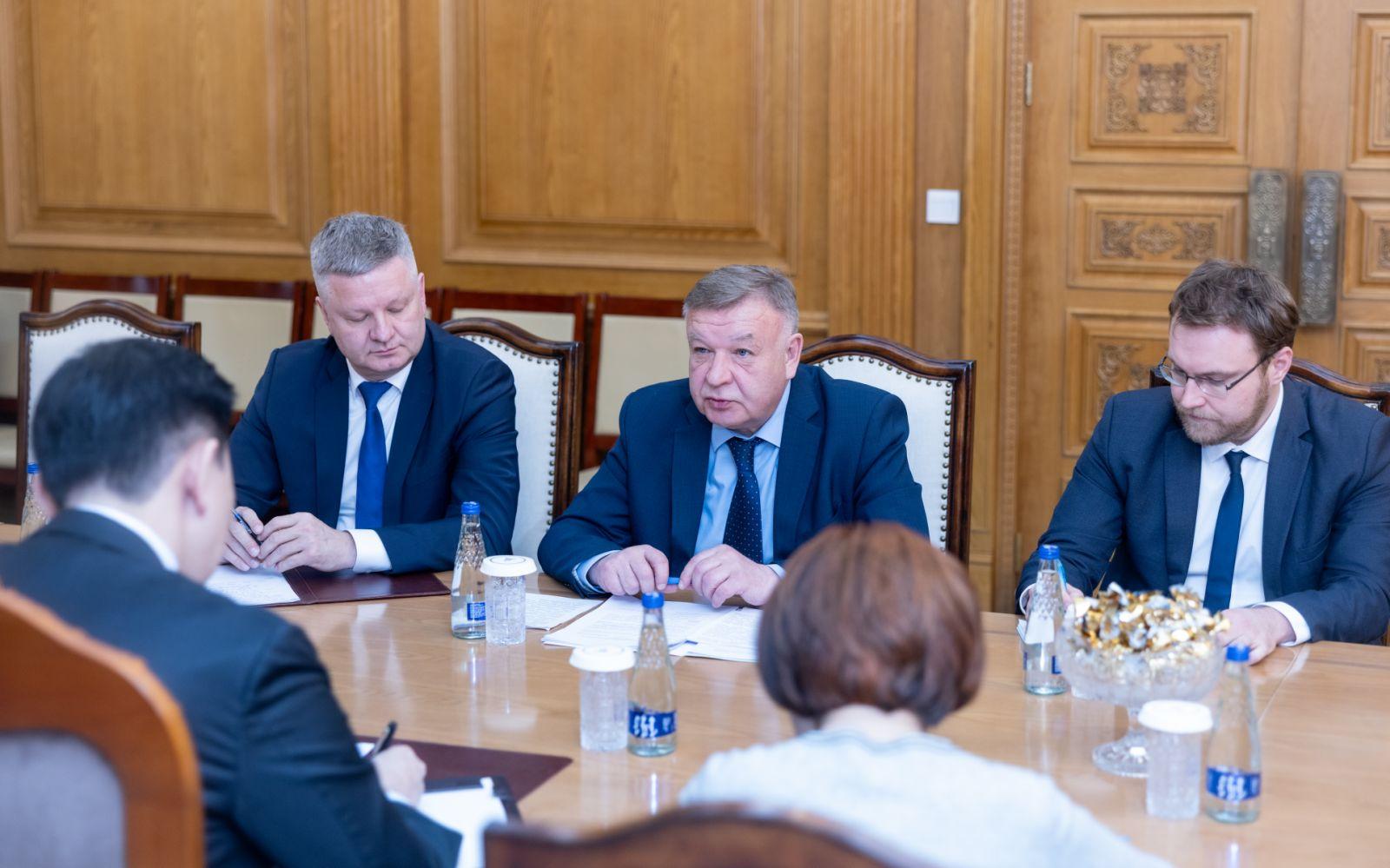
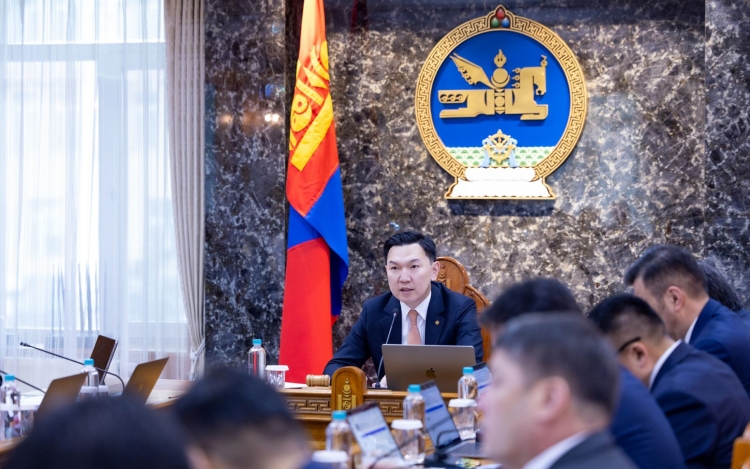
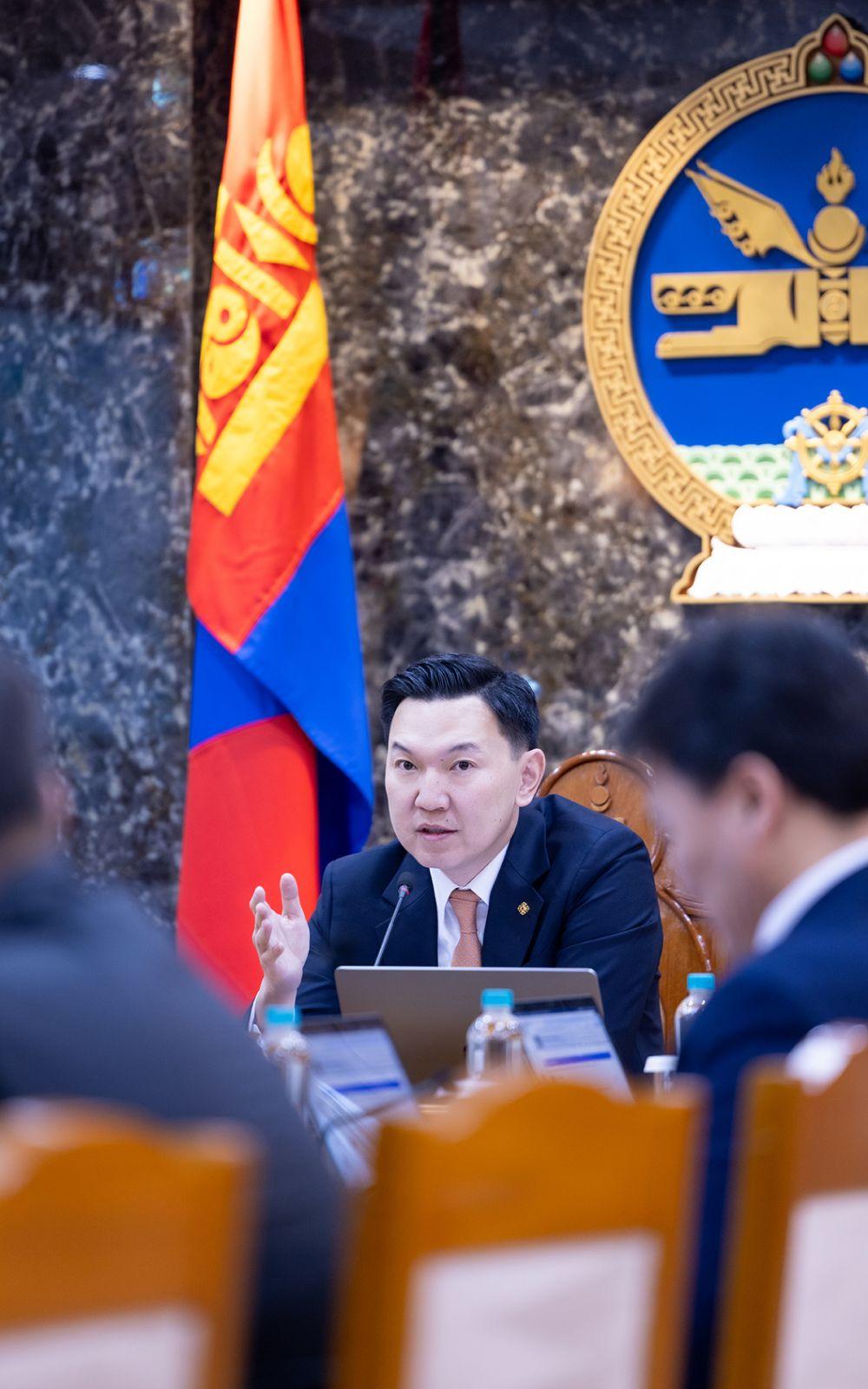
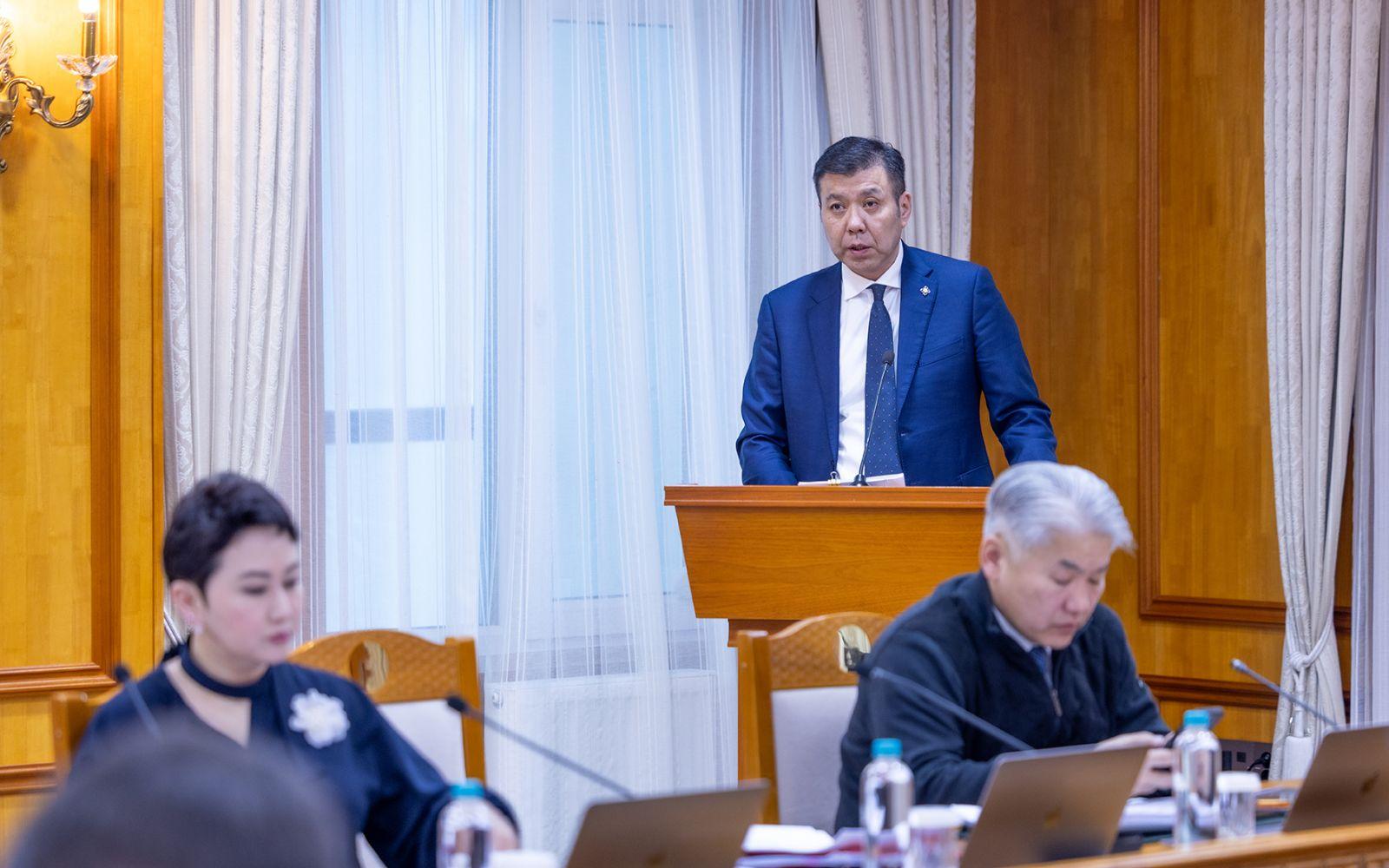
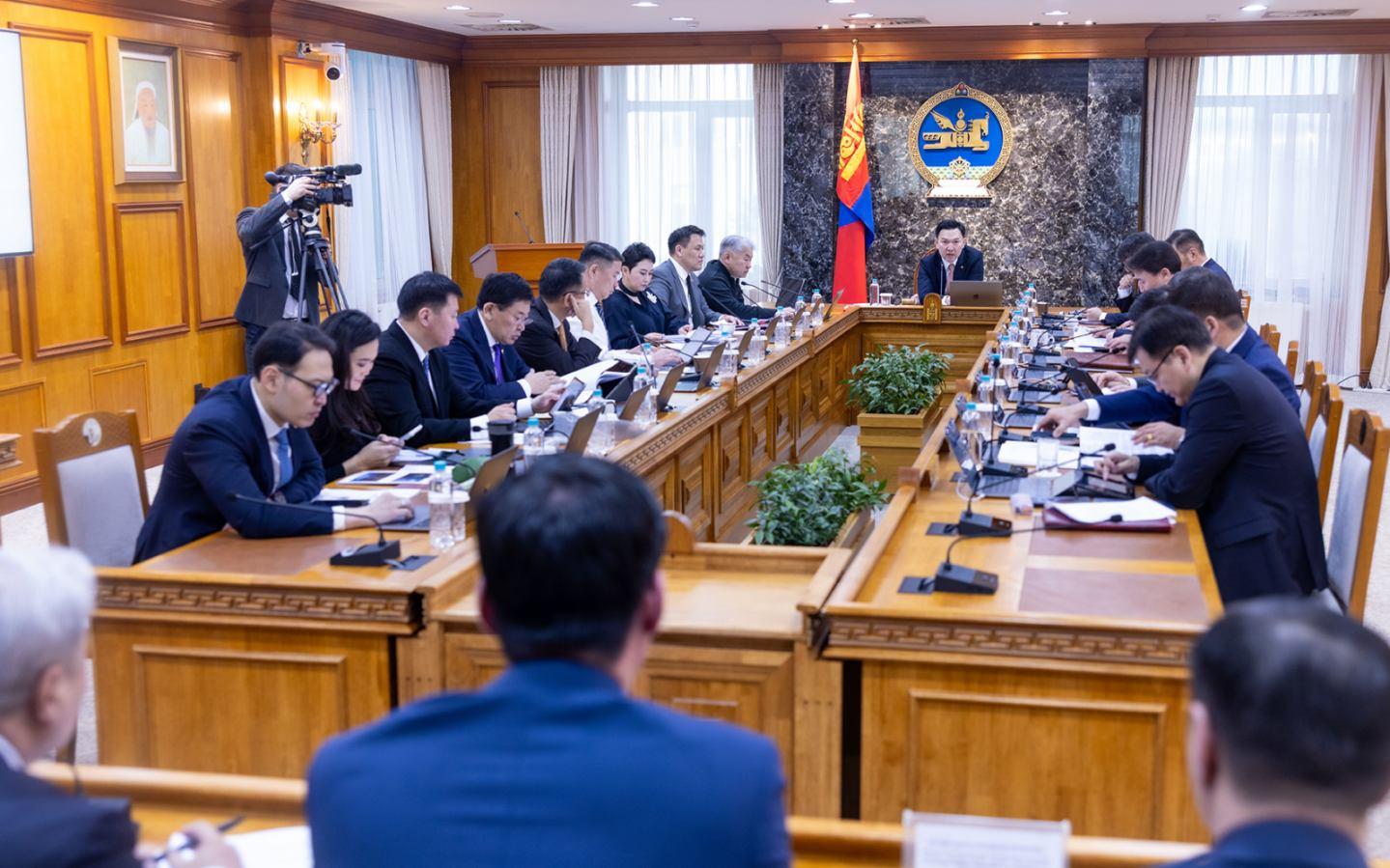
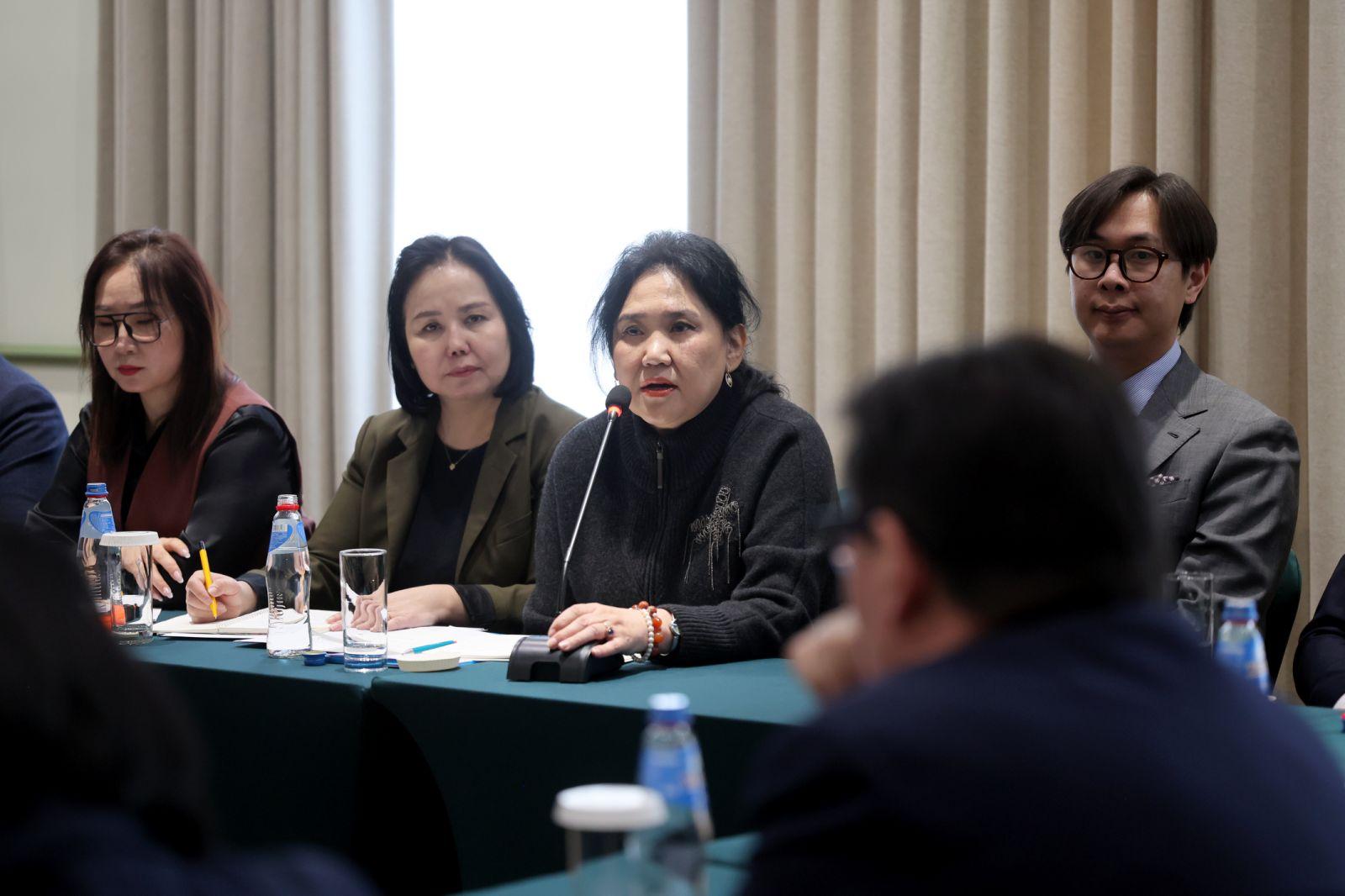
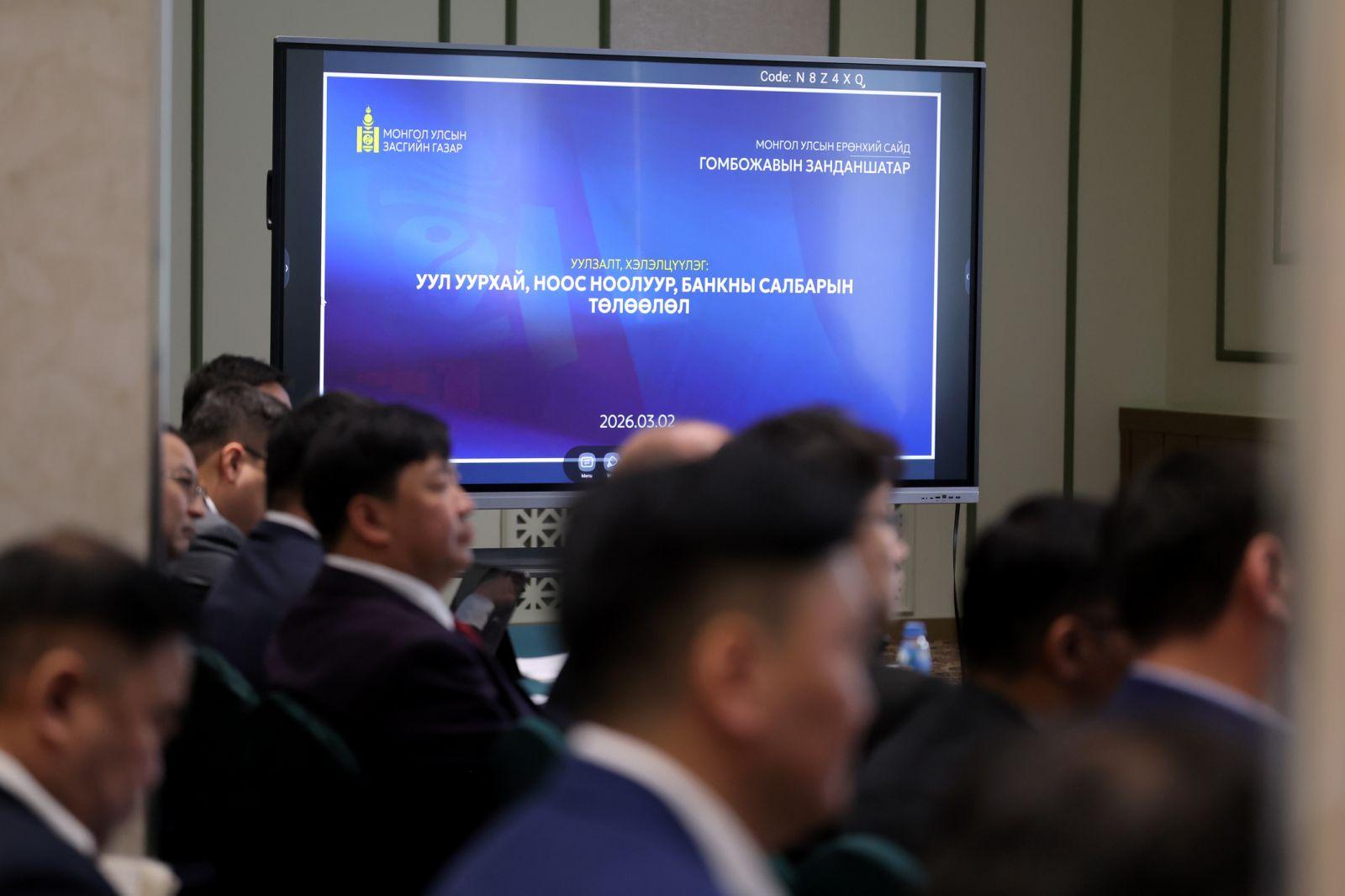
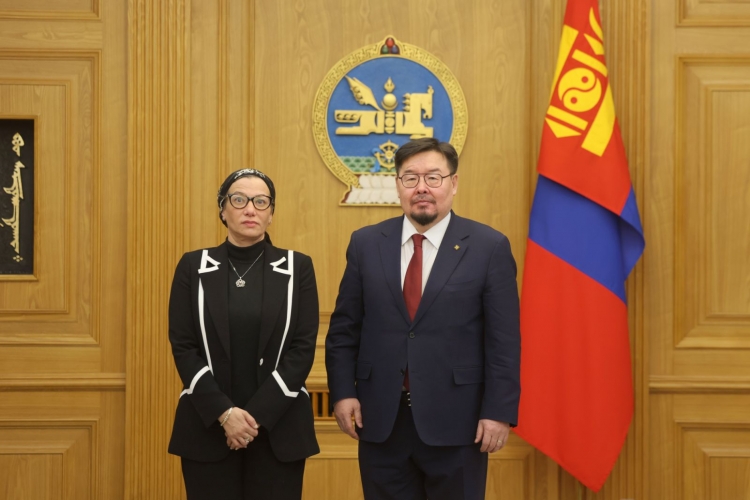
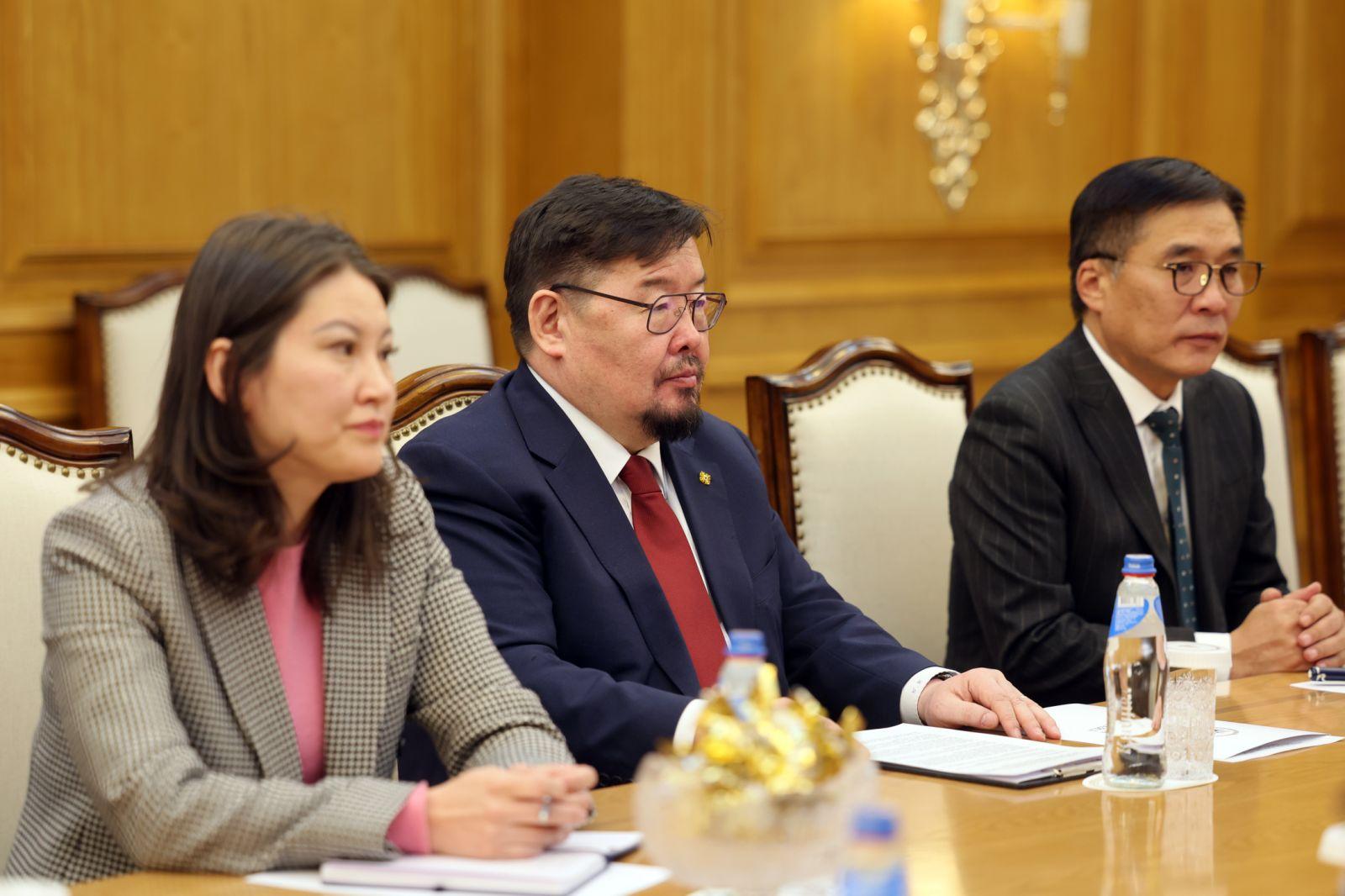
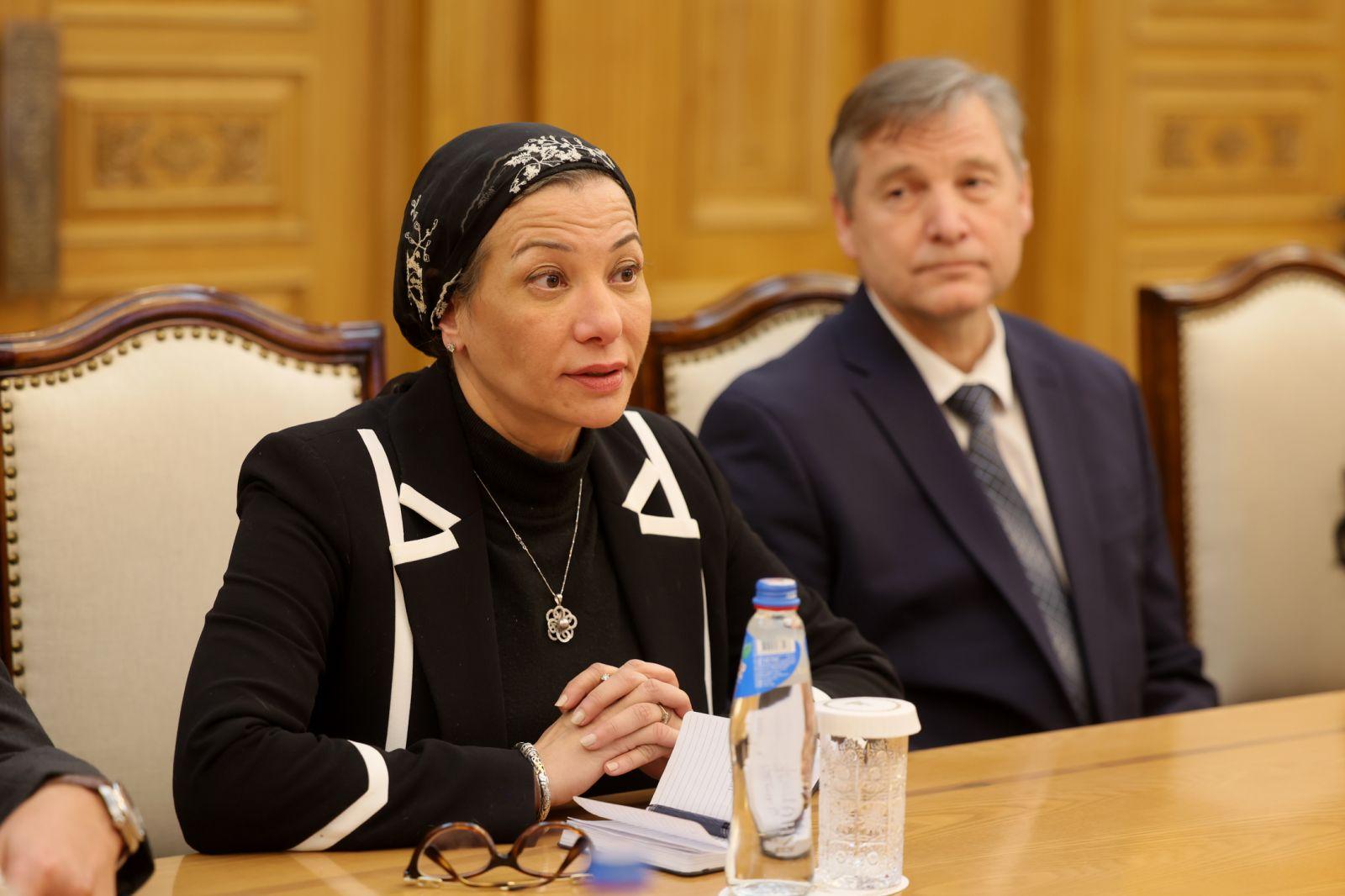
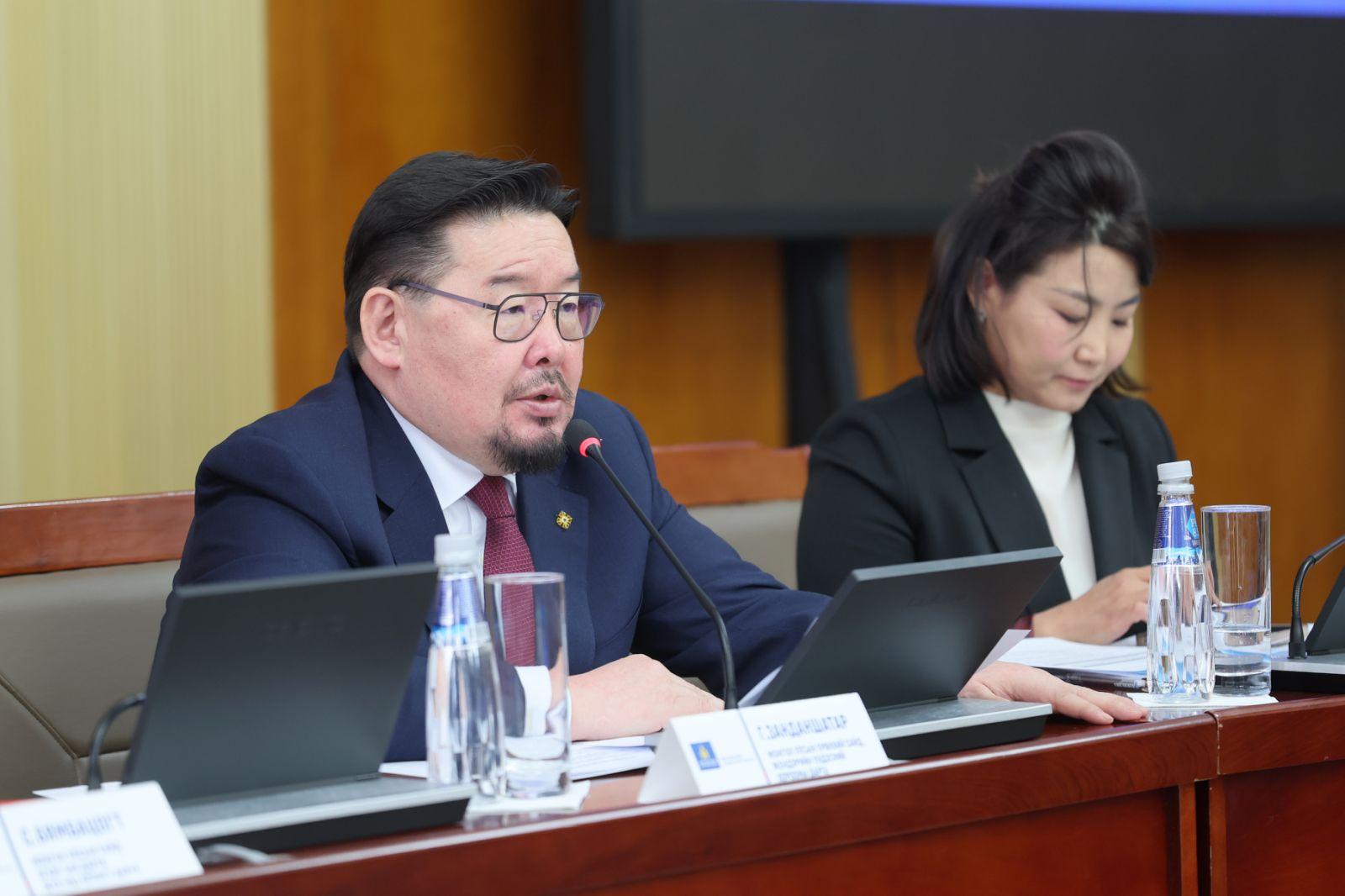
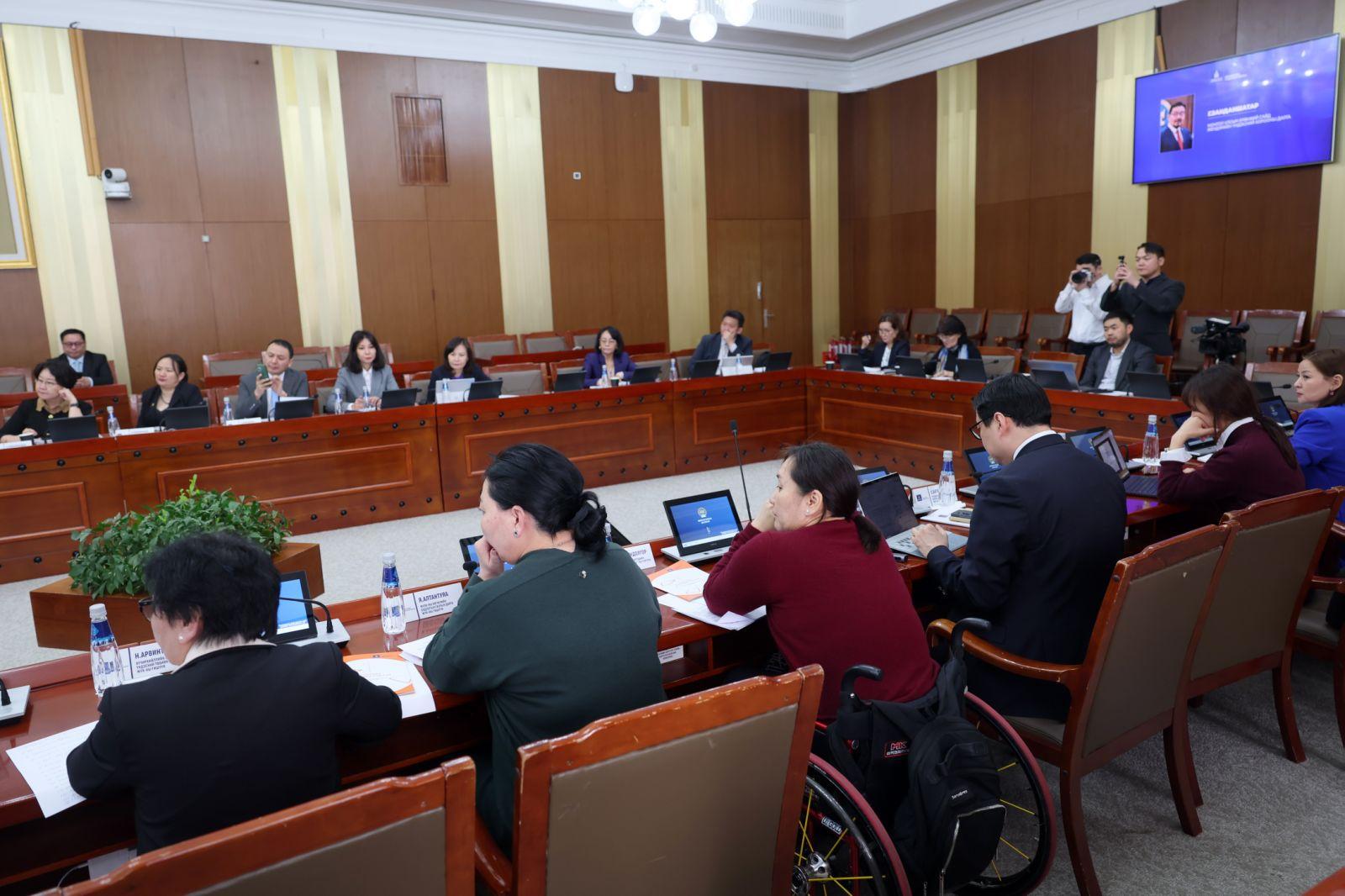
Prime Minister G.Zandanshatar emphasized the leadership role of State Secretaries in the fight against corruption and official crimes during a meeting of the government’s new anti-corruption working group.

The working group, led by D.Munkh-Erdene, First Deputy Chairman of the Cabinet Secretariat, is tasked with strengthening the National Anti-Corruption Program, improving the justice system, reducing bureaucracy, protecting investors, and addressing the decline in Mongolia’s Corruption Perceptions Index. Mongolia ranked 93rd in 2018 but fell to 114th in 2024, according to Transparency International.

The Prime Minister stressed that combating corruption is not only the responsibility of the Independent Authority Against Corruption but of the entire government. He urged State Secretaries to take ownership of daily management and ensure effective implementation of laws and decisions, noting that tangible results are crucial to restoring public trust, protecting citizens and businesses, and improving Mongolia’s international reputation.

D.Munkh-Erdene outlined the working group’s 2025 work plan, including proposals to repeal unnecessary permits and regulations that create barriers for businesses, draft legislation to prevent corruption and conflicts of interest, strengthen whistleblower protections, and align with recommendations from international organizations.

On August 29, Prime Minister G.Zandanshatar met with representatives of the Federation of Mongolian Education and Science Unions to discuss teacher welfare and challenges in the education sector.

The Prime Minister noted that education spending in 2025 amounts to MNT 3.8 trillion, with 70 percent allocated to salaries. While a performance-based pay system has increased average wages since 2022, salaries for young teachers remain low, averaging MNT 1.48 million. Trade union representatives urged the government to raise base pay, support teacher development, address social issues, and resolve housing challenges. They also highlighted severe overcrowding in schools, with some first-grade classes accommodating up to 70 students.

In response, the Prime Minister pledged to develop a three-year teacher development plan, expand the affordable housing program, and create a special program to support teachers. He instructed the Ministry of Education and city authorities to urgently address school overcrowding and calculate additional pay for teachers based on class size.

G.Zandanshatar stressed the importance of digitizing education and advancing the “From Teaching to Learning” system, which will also influence salary structures. Declaring 2026 as the Year of Education, the government aims to improve teacher salaries, strengthen social security, and ensure stable working conditions as part of its human development priority.

Prime Minister G.Zandanshatar has instructed the Mineral Resources and Petroleum Authority to revoke the exploration license of Tugrug Nuur Energy LLC, the holder of the Tugrugnuur coal deposit in Bayan soum, Tuv aimag, citing violations under Article 56.1.8 of the Minerals Law.

Although the company completed a feasibility study and defined production capacity, it failed to submit the required applications and sign agreements within the legal timeframe. The Prime Minister also tasked Industry and Mineral Resources Minister G.Damdinnyam with preparing a proposal to designate Tugrugnuur as a strategically important deposit and submit it to the Cabinet by September 2025.

The Tugrugnuur deposit, spanning 20–30 square kilometers, is considered one of Mongolia’s largest coal reserves, with studies estimating up to 3 billion tons of lignite. The site was initially explored between 1951 and 1986 using state funds. The Independent Authority Against Corruption is investigating allegations that a former Member of Parliament abused his position to obtain the license before selling the company to a foreign-invested entity for profit, possibly involving money laundering.

Prime Minister G.Zandanshatar stressed the deposit’s national importance as a funding source for the Future Heritage Fund and National Sovereign Wealth Fund. He called for transferring revoked licenses to national enterprises, expediting development, and ensuring the deposit’s benefits are directed toward public wealth.

On August 26, Prime Minister G.Zandanshatar met with representatives of the Mongolian Women’s Union to discuss their initiatives and future cooperation. He thanked the Union for continuing its 100-year tradition of advancing women’s rights and emphasized the importance of protecting girls, women, and families.

The Prime Minister noted that women make up 51 percent of Mongolia’s population and highlighted government efforts to combat domestic violence, including the “No One Should Be Harmed” campaign and the establishment of a National Committee against Violence. He also welcomed the Union’s proposal to celebrate the “International Day for the Protection of the Rights of the Girl.”

Union President B.Oyungerel reported on projects such as “Cancer-Free Mongolian Woman,” which has provided early cancer screening for over 21,000 women, and “Nandin,” which addresses peer bullying, discrimination, and screen addiction among adolescents. Training programs on domestic violence, child protection, and sex education have also reached 50,000 citizens.
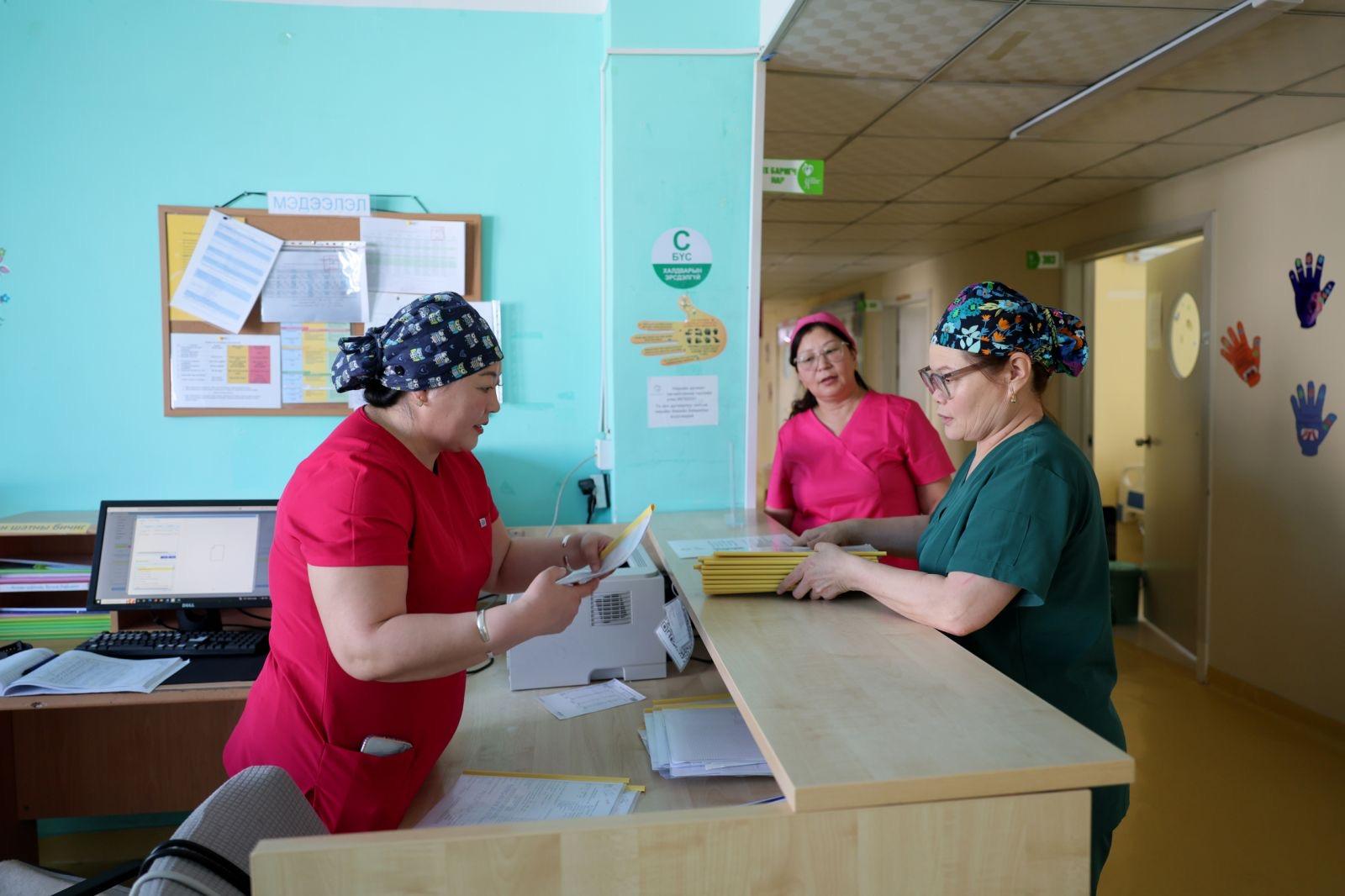
Union members raised issues including support for women entrepreneurs, fairer kindergarten funding, family protection, and property rights for women herders. In response, the Prime Minister pledged support for expanding health initiatives, introducing prenatal and postpartum counseling, and strengthening cooperation to improve women’s welfare and mental health.

Prime Minister Luvsannamsrain Oyun-Erdene, on April 29, visited the site of the Eg River Hydropower Plant project in Khutag-Undur soum, Bulgan Province, emphasizing the government’s commitment to fast-tracking the long-awaited energy initiative.

Ranked fifth among 14 strategic government projects, the Eg River Hydropower Plant is regarded as a key effort to reduce Mongolia’s reliance on energy imports and to meet the rising electricity demand in the Central Region.

During the site visit, the Prime Minister received a comprehensive briefing from the Ministry of Energy and a joint expert working group comprised of Mongolian and Russian representatives. They discussed the current status of the project, as well as the challenges that lie ahead. The project has encountered significant delays over the years, primarily due to environmental concerns, particularly the potential risks it poses to the biodiversity of Lake Baikal and the preservation of global freshwater reserves.

However, findings by the UNESCO World Heritage Committee and other international bodies concluded that the Eg River project is unlikely to have a significant impact on the ecosystems of the Selenge River and Lake Baikal. In response, the Mongolian government has mandated that all development activities adhere to strict environmental and social impact assessment standards based on UNESCO methodologies and global best practices.
A comprehensive study is planned for 2025–2026 to assess potential ecological changes to the Selenge River basin. The Mongolian-Russian Expert Working Group is expected to deliver a final report by mid-2026.

In parallel with the technical and environmental planning, the government has successfully reached a consensus with herder families in the project’s impact zone regarding resettlement and social issues.

Prime Minister L. Oyun-Erdene also held discussions with local community representatives, where herders living in the project area expressed their full support for the initiative.

Construction of the 102.5-kilometer Bagakhangai–Khushig Valley branch railway began on April 25 in Khushig Valley. Prime Minister of Mongolia Luvsannamsrain Oyun-Erdene inspected the railway route, marking the formal commencement of construction.

Wishing success to the project implementers, the Prime Minister stated, “Construction activities scheduled for this spring are progressing as planned, and major projects initiated by the Government and the capital city are being launched in phases. One such project is the Bagakhangai–Khushig Valley railway, the construction of which officially begins today.”

In line with the government’s declaration of 2025 as the “Year of Supporting Capital Infrastructure,” major initiatives are underway to ease road congestion, reduce air pollution, establish satellite cities, and address energy shortages. The construction of this railway is a key component of these efforts.

The railway will span a total length of 102.5 kilometers, feature a 1520 mm gauge, include three stations, four crossings, and a 2.5-kilometer-long bridge structure. It is notable for being the first branch railway ever constructed in Mongolia.

The Mongolian Railway State-Owned Company is responsible for the construction, ensuring adherence to international standards and quality requirements. The company will also oversee the railway’s future operations. Construction is scheduled to be completed and the railway put into operation by October.
More than 2,500 engineers and workers from around 110 domestic companies, supported by approximately 1,500 units of equipment and machinery, are engaged in the project.

Funding for the railway is sourced from state-owned, non-mining enterprises under Erchist Mongol LLC, with an anticipated investment recovery period of 15 years.

Once operational, the Bagakhangai–Khushig Valley railway will establish a critical connection between Ulaanbaatar and Khushig Valley, which is envisioned as a future transport and logistics hub. This development is expected to lay the foundation for the development of Hunnu City and the Transport Logistics Center in Khushig Valley.

Highlights from the Cabinet Meeting on April 23

Construction of the Gashuunsukhait–Gantsmod Cross-Border Railway Scheduled to Commence on May 14

Minister of Road and Transport Development B. Delgersaikhan presented updates on the progress of the Gashuunsukhait-Gantsmod cross-border railway construction during the Cabinet meeting. Following the presentation, Prime Minister Luvsannamsrain Oyun-Erdene instructed relevant authorities to begin construction by May 14, 2025, and to develop a comprehensive implementation plan.

The Prime Minister also emphasized the importance of ensuring smooth passage for necessary equipment, construction materials, and daily supplies across the border. He stressed the need for close coordination with Chinese counterparts to facilitate efficient project execution.

The Government’s 2024–2028 Action Program outlines the implementation of 14 major projects across four key policy areas. Among these initiatives is the construction of cross-border railways and cargo transshipment terminals at the Gashuunsukhait–Gantsmod, Khangi–Mandal, and Shiveekhuren–Sekhe border crossings. These projects are expected to boost Mongolia’s total export capacity while enhancing passenger and freight transport capabilities.

Additionally, the project will stimulate trade, economic growth, and regional cooperation, particularly in the mineral resources, industrial, and infrastructure sectors between Mongolia and China. It will also pave the way for further railway connections at the Shiveekhuren–Sekhe, Khangi–Mandal, and Bichigt–Zuunkhatavch ports. By 2030, Mongolia’s border crossing capacity is projected to increase by 80 million tons, underscoring the project’s strategic significance.

Relevant Authorities Instructed to Take Measures in Response to Measles Outbreak

During the meeting, the Cabinet instructed Minister of Health T. Munkhsaikhan to ensure preparedness for the ongoing measles outbreak by securing necessary medicines, medical equipment, diagnostic tools, and vaccines. The Minister was also tasked with strengthening human resource readiness and developing a comprehensive immunization policy.

Minister of Education P. Naranbayar and Minister of Labor and Social Protection L. Enkh-Amgalan were directed to monitor vaccination coverage among children in schools and kindergartens in cooperation with health organizations, while improving hygiene conditions in educational institutions.

Additionally, relevant officials were instructed to identify necessary funding for measles surveillance, vaccination efforts, and outbreak response measures. This includes providing support to healthcare institutions at all levels and increasing national immunization coverage.

Four Agencies Under Capital City Administration Dissolved

To eliminate duplication of state functions, reduce administrative hierarchy, and improve budget efficiency, the Cabinet decided to dissolve the following four agencies under the Governor of the Capital City:

–       Department of Youth Development

–       State Registration Department of the Capital City

–       Department of Child, Family Development and Protection

–       Department of Labor and Welfare

Additional Funding to Be Raised for Cashmere Purchases; Promissory Notes to Be Issued

In an effort to stabilize herders’ incomes and boost domestic production, the government has decided to issue promissory notes to secure additional funding for nationwide cashmere purchases by domestic producers in 2025.

Under the framework of the “White Gold” initiative, led by the President of Mongolia, over 30 companies have received loans totaling MNT 230 billion for cashmere purchases in 2025. To date, 1,977 tons of cashmere have been acquired from herders. Domestic processing plants plan to export 3,500 tons of combed cashmere this year, produce 2.5 million finished products, and increase sales revenue by MNT 600–700 billion, bringing the sector’s total revenue to approximately MNT 1.8 trillion.

To maintain steady production operations and safeguard herders’ cash incomes, it is necessary to purchase 5,600 tons of cashmere. The issuance of promissory notes is expected to address this need, ensuring continuous production and protecting the industry’s competitiveness in the global market.

The government aims to further develop Mongolia’s wool and cashmere industry by increasing processing capacity, promoting value-added production, and boosting export revenues through the full domestic processing of non-mining exports.

The fourth session of the Economic Development Board, chaired by the Prime Minister of Mongolia, was held on April 21.

During the session, the Board reviewed draft amendments to the Law on Energy and the Law on Renewable Energy, as well as detailed legislative proposals from the private sector.

First Deputy Prime Minister L. Gantumur briefed board members on the current global economic situation and the risks facing Mongolia.

The World Uncertainty Index has reached its second-highest level in history. In 2020, the index hit 56 due to the pandemic. This time, it has reached 53, driven by U.S. elections and geopolitical tensions. According to the Asian Development Bank, as a result of ongoing trade conflicts, global economic growth is projected to contract by 0.4 percent in 2025 and 0.7 percent in 2026. China’s economic growth is also forecast to shrink by 0.4 percent in 2025 and 0.9 percent in 2026.

This global situation is negatively affecting Mongolia, whose state budget depends heavily on revenues from mining exports. In response, the First Deputy Prime Minister highlighted the urgency of adopting several key measures. These include the passage of draft amendments to the Law on the Mining Products Exchange, the implementation of the “Gold” program, the transformation of the Development Bank into an Exim Bank, and amendments to the Law on Public-Private Partnership.

He also emphasized the potential of the interim trade agreement between Mongolia and the Eurasian Economic Union and its member states, stating it presents an opportunity to expand Mongolia’s market access.

Despite current challenges, Mongolia’s coal export volume remains stable compared to last year, although export revenue is down by USD 1 billion and coal prices have fallen by 38 percent. Meanwhile, copper concentrate prices have risen by 19 percent, with exports up by 26 percent. The country’s foreign exchange reserves stand at USD 5 billion.

The meeting further addressed the proposed amendments to the Law on Energy and Renewable Energy. The Mongolian National Chamber of Commerce and Industry, along with the Mongolian Business Council and its member organizations, submitted over 270 proposals regarding the draft legislation. Out of these, 12 proposals and solutions were adopted. As Mongolia’s Energy Policy was last approved in 2001, the Board acknowledged the need for an updated policy framework.
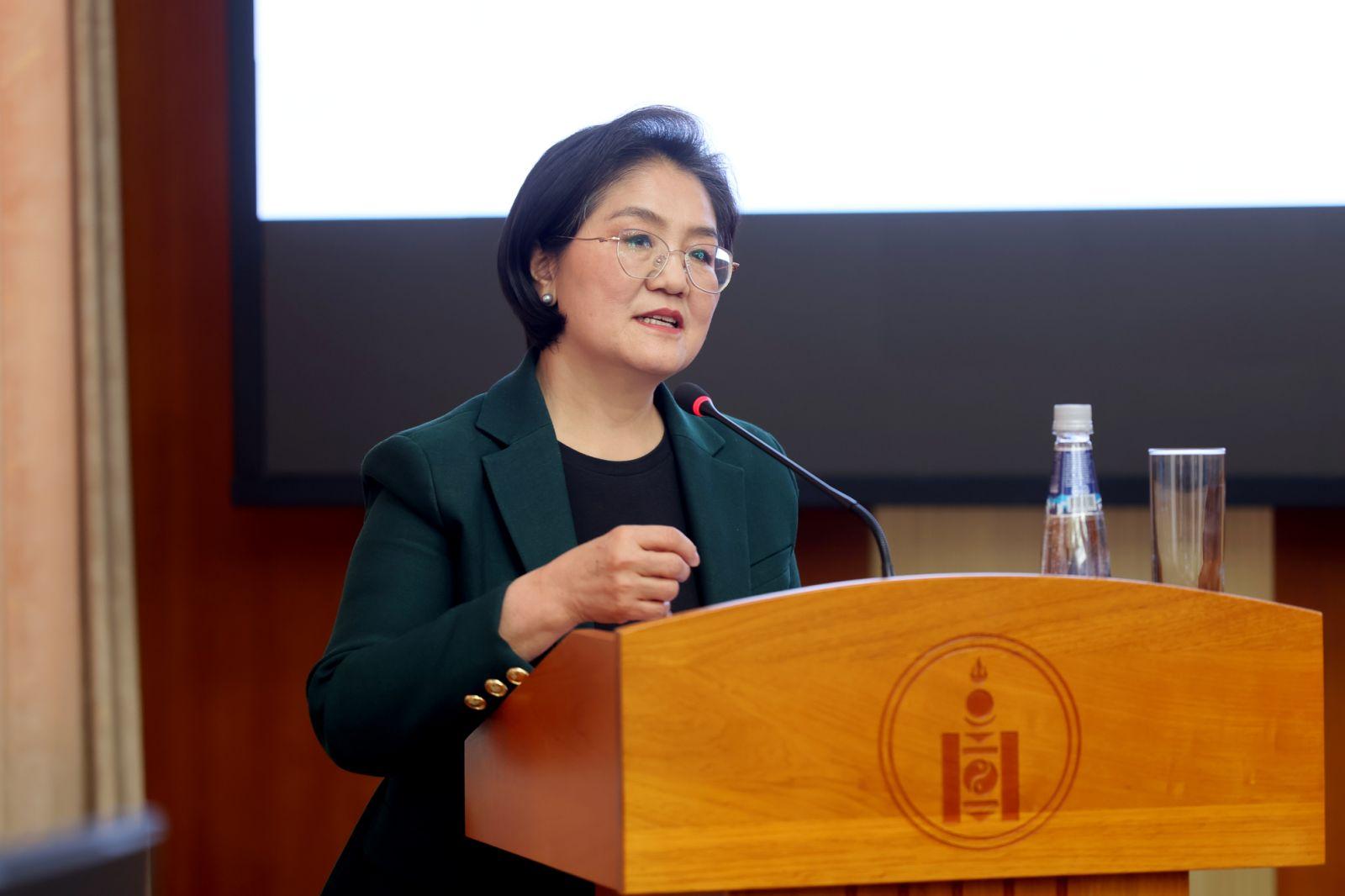
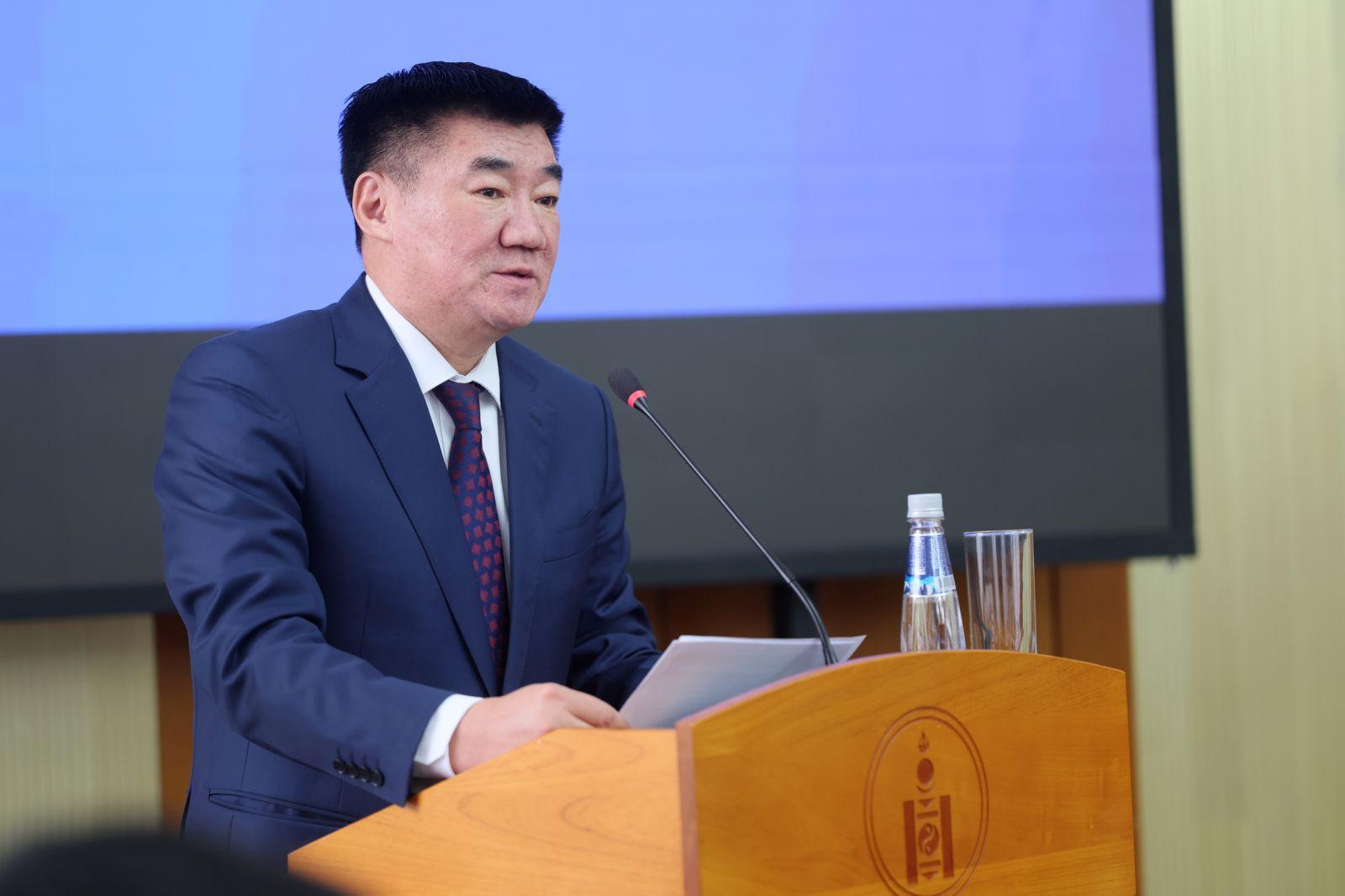
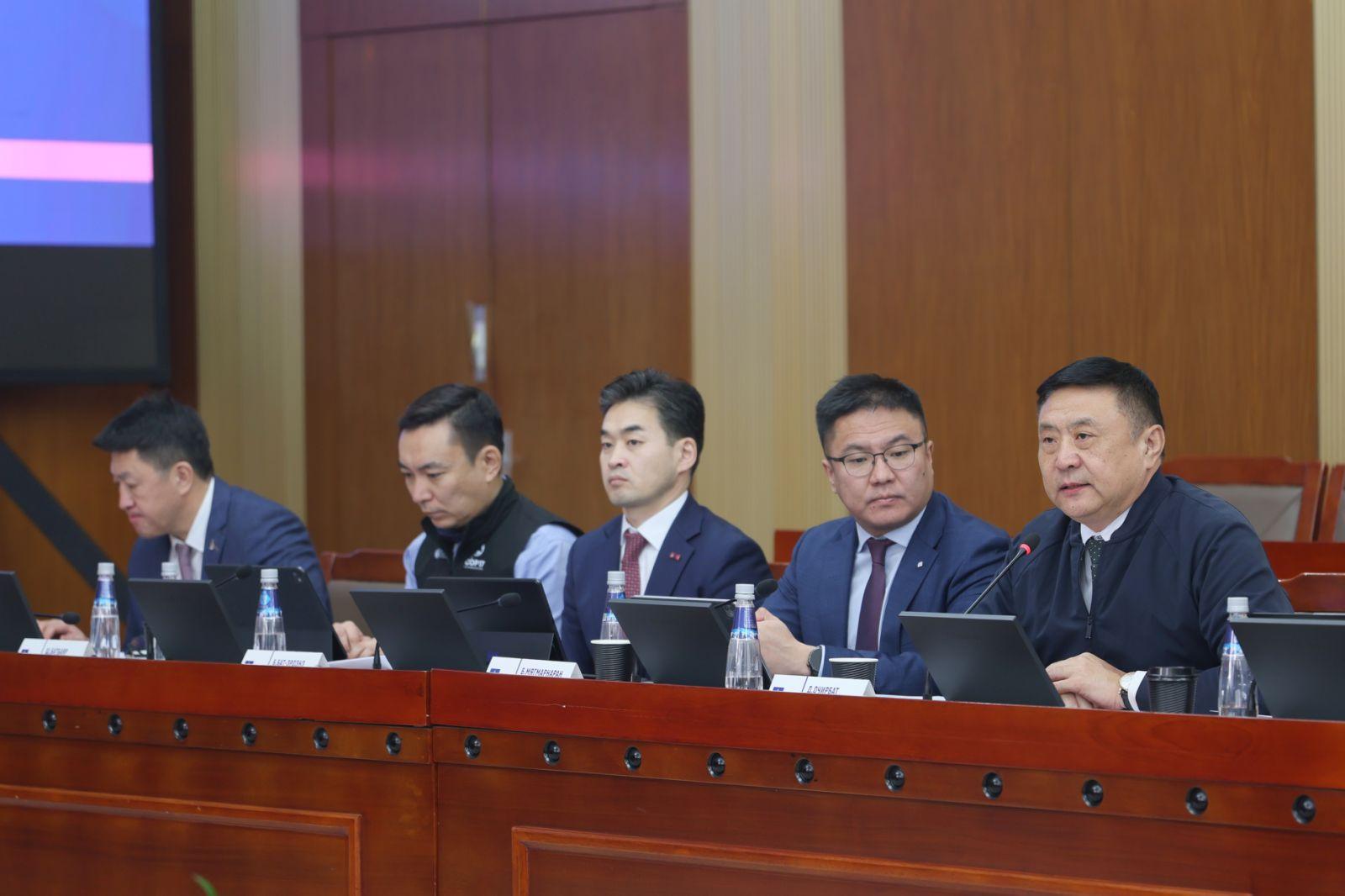
Concluding the meeting, the Prime Minister remarked that the current geopolitical climate, coupled with abrupt tariff shifts and global crises, poses serious challenges to both short- and long-term economic strategies. He underlined the importance of preparedness and the vital role of private sector engagement. “In future sessions of the Economic Development Board, we will hear updates on major private-sector-led projects that contribute to social and economic progress. The Government, in turn, will develop mechanisms to provide appropriate support for these initiatives,” he stated.

Highlights from the Cabinet meeting on April 16

Emphasis placed on increasing coal exports

During its regular meeting, the Cabinet instructed Cabinet member and Chair of the National Committee on Port Recovery B. Tulga, Minister of Road and Transport B. Delgersaikhan, and other relevant officials to promptly facilitate the export of coal purchased by enterprises that have signed long-term agreements with Erdenes Tavantolgoi JSC, through a designated special border gate. The management of Erdenes Tavantolgoi JSC was also tasked with preparing coal for sale under these agreements, increasing production, and ensuring smooth and timely shipments.

Due to falling coal prices and market uncertainty, the coal loading and unloading area at Mongolia’s main export port, Gashuunsukhait–Gantsmod, has become congested, slowing down coal exports.

In the first quarter of this year, Mongolia exported 17.5 million tons of coal, a decrease of 3.3 percent compared to the same period last year. The drop in coal prices has also negatively impacted trading on the mining products exchange. Erdenes Tavantolgoi JSC conducted 47 trades on the exchange during the first quarter, with only 12 successful transactions and 35 unsuccessful ones.

In response, the Cabinet approved a resolution to ensure that coal sold under long-term agreements passes through a designated special border gate without delay.

Mongolia’s foreign currency reserves reach USD 5.2 billion

Finance Minister B. Javkhlan delivered an update on the current state of mining exports and foreign currency reserves.

Export earnings totaled USD 278 million for the week, a 17 percent increase from the previous week, primarily driven by a 25 percent rise in coal exports to 1.9 million tons.

Despite ongoing coal stockpiles at the Gashuunsukhait border port, exports to the People’s Republic of China increased during the past week and are expected to continue rising. At the same time, the Shiveekhuren border port reported coal exports of 758,000 tons last week – its highest weekly figure so far this year.

The Mongolian mining product exchange also recorded its highest weekly coal trading volume of the year, with 480,000 tons traded. Exports of other mining products are also on the rise. Copper concentrate exports increased by 2 percent to 42,000 tons, while iron ore exports rose 14 percent to 177,000 tons.

As of April 15, 2025, Mongolia’s foreign currency reserves stood at USD 5.2 billion, reflecting an increase of more than USD 230 million from the previous week. To further strengthen foreign currency inflows, the Minister of Finance outlined additional measures to be implemented.

Cabinet approves development plans for the Khangai region

As part of Mongolia’s Regional Development Policy, an expanded meeting of the Khangai Regional Council was held on April 14, 2025, in Arkhangai Province. Based on the recommendations adopted at the meeting, the Cabinet made the following decisions:

1. Accelerating development in the Khangai region:

Launch the Thermal Power Plant Project in Arkhangai Province with concessional financing from the Export-Import Bank of the Republic of Korea and resolve stagnation in the Thermal Power Plant Projects in Bayankhongor and Uvurkhangai provinces;
Conduct a detailed environmental impact assessment for the Baidrag Hydropower Plant Project;
Implement 10 MW solar power plants and 20 MWh battery storage systems in each province of the region through public-private partnerships by 2026;
Assess and secure financing for the development of feasibility studies for regional road projects;
Construct and develop infrastructure such as water supply and wastewater treatment systems at key tourism destinations in the region;
Support the processing of animal-based raw materials, and promote agriculture, food production, and related services.
2. Developing the Khangai region as a specialized tourism area:

Develop and implement a regional tourism development plan with the involvement of non-governmental organizations and professional associations;
Study and draft legislation related to land allocation for tourism services to citizens, businesses, and organizations;
Review and resolve funding issues for the Museum of History, Ethnography, and Natural History in Bayankhongor Province and the construction of the Orkhon Valley World Heritage Site Protection Administration building in Kharkhorin soum, Uvurkhangai Province.
In connection with the upcoming 390th birth anniversary of Undur Gegeen Zanabazar – a prominent figure in Mongolia’s statehood, religious, and cultural history – to be commemorated in 2025, the necessary funding will be allocated from the Government Reserve Fund.

On March 17, Prime Minister L. Oyun-Erdene submitted a draft law to Speaker of Parliament, D. Amarbayasgalan, seeking ratification of an intergovernmental agreement between Mongolia and China aimed at enhancing the capacity of the Gashuunsukhait-Gantsmod port and facilitating coal sales. The agreement is part of a broader strategy to boost Mongolia’s economic development through improved infrastructure.

Signed on February 14, 2025, the agreement focuses on the construction of the Gashuunsukhait-Gantsmod cross-border railway, which has been designated as the top priority among 14 mega-projects initiated by the Mongolian government. The railway connection will serve as an important link, allowing for increased transportation of coal from the Tavantolgoi mine, one of the largest coal deposits in the country.

Upon receiving parliamentary approval, the government plans to announce a tender for the railway’s construction by the end of the month.

“I am confident that Parliament will approve the agreement early in the spring session, enabling construction to start without delay,” the Prime Minister stated.

This railway will represent the second major railway connection established between Mongolia and China, following the Zamiin-Uud-Erlian line, which was built under a 1955 agreement. The Gashuunsukhait-Gantsmod railway is expected to significantly enhance Mongolia’s port capacity, potentially doubling it and raising coal exports from the current average of 83 million tons per year to 165 million tons.

The anticipated increase in coal sales revenue – projected to hit USD 1.5 billion annually – will not only bolster Mongolia’s economy but also aid in reaching the government’s goal of achieving a GDP per capita of USD 10,000. This development promises to boost the National Sovereign Wealth Fund’s Accumulation Fund, creating a solid foundation for long-awaited tax reforms.

The implementation of Gashuunsukhait-Gantsmod project will facilitate the phased development of other railway connections at key ports, including Shiveekhuren-Sekhee, Bichigt-Zuunkhatavch, and Khangi-Mandal.