Mongolian


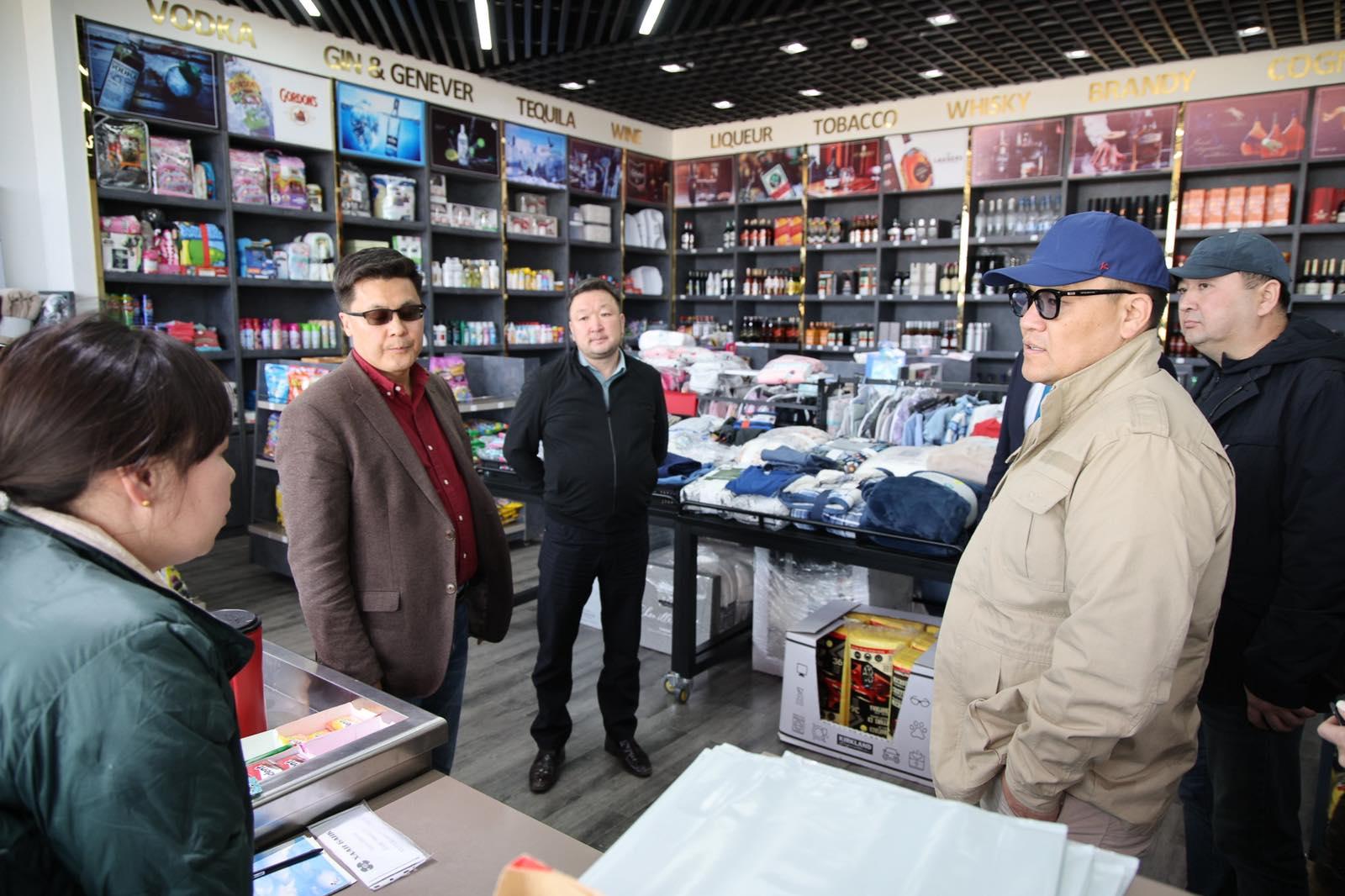
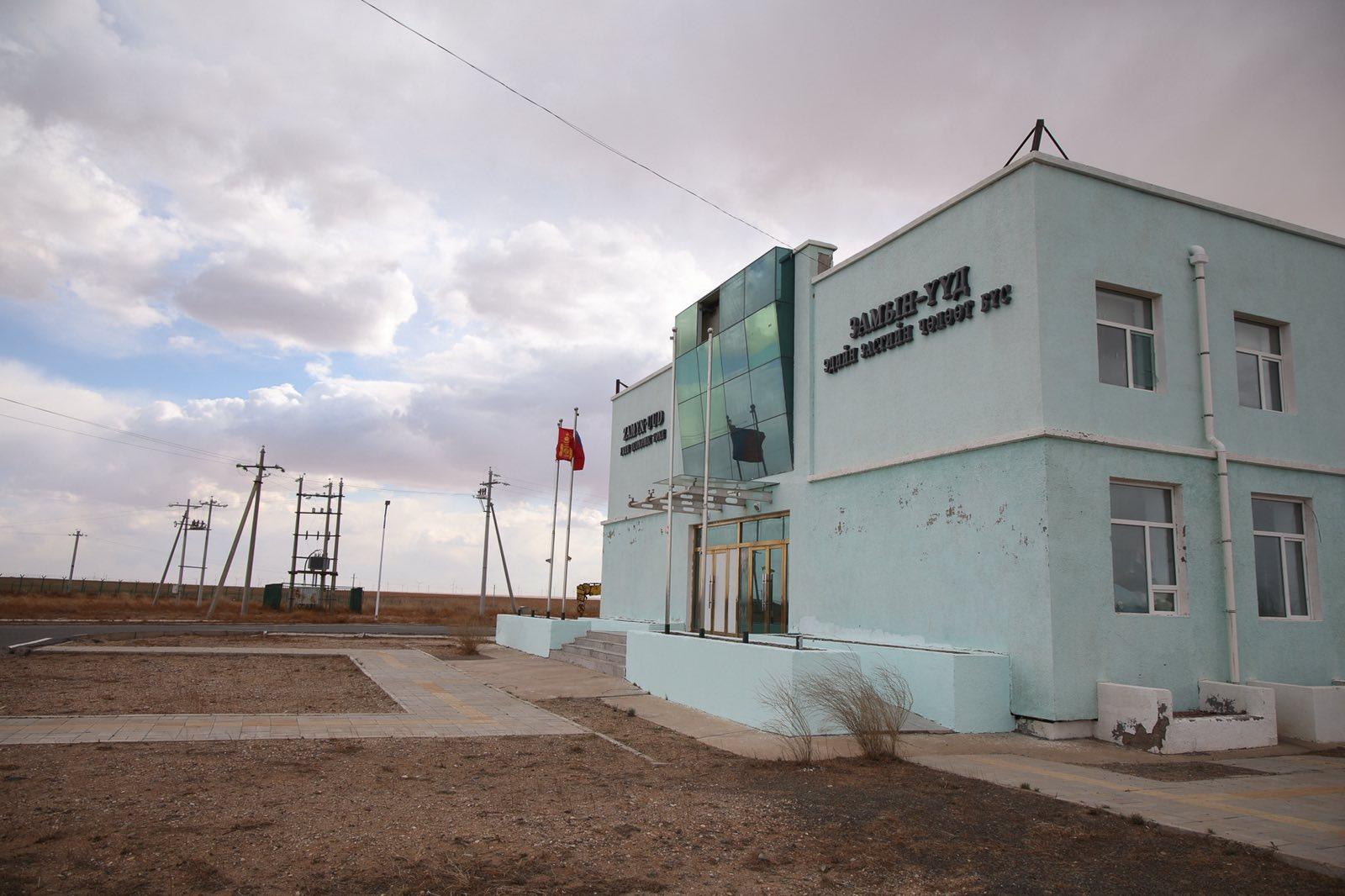
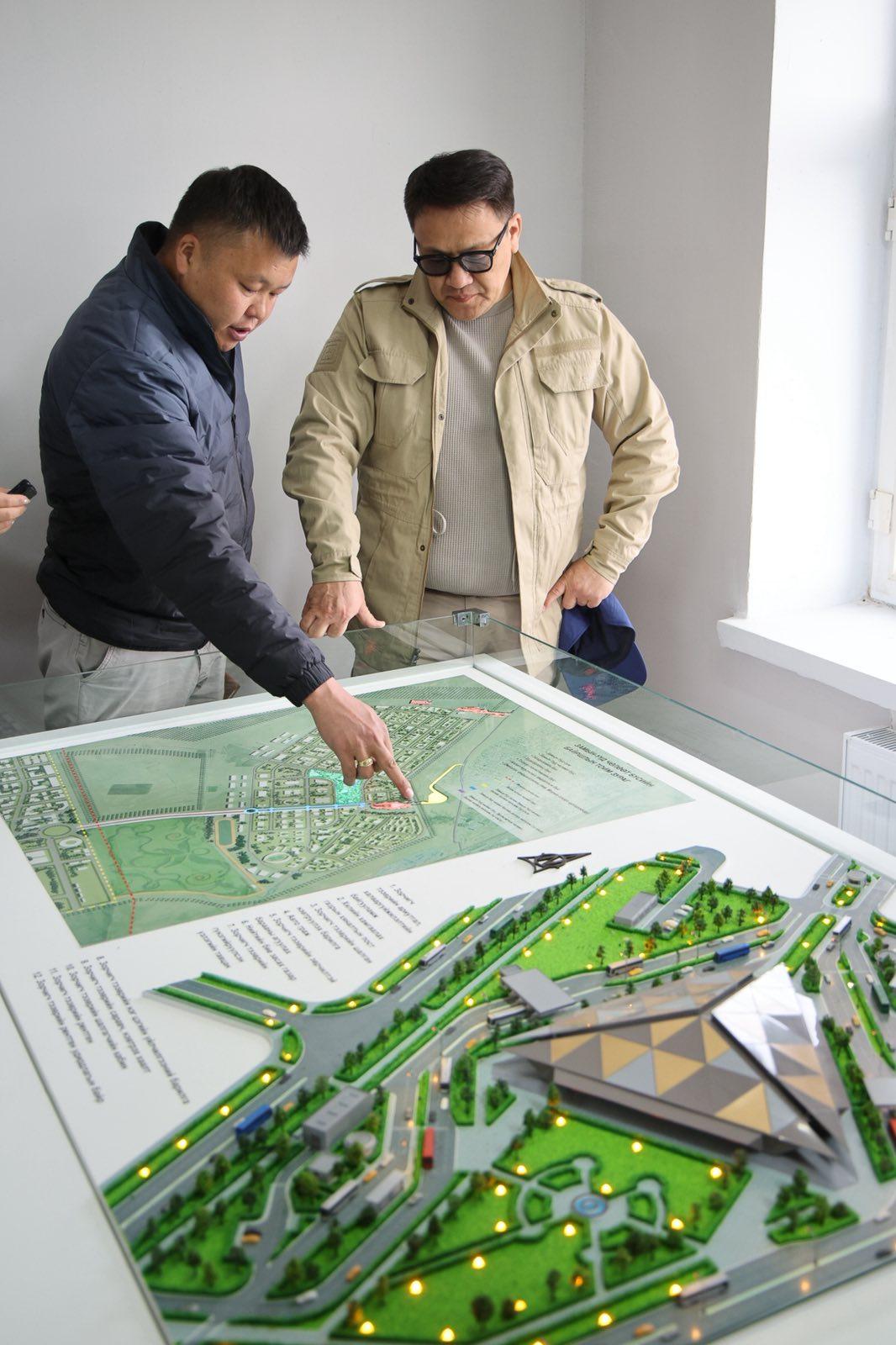
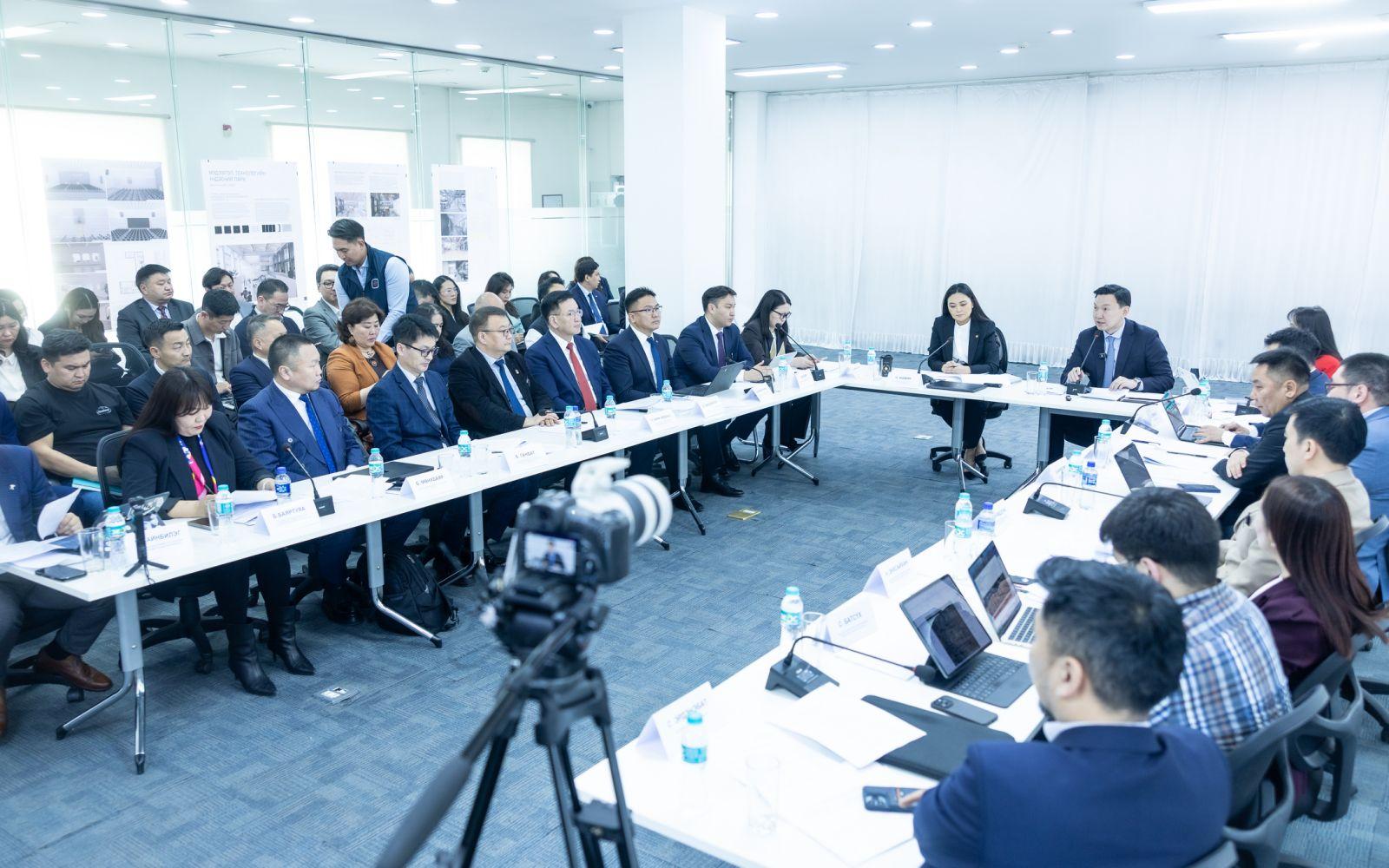
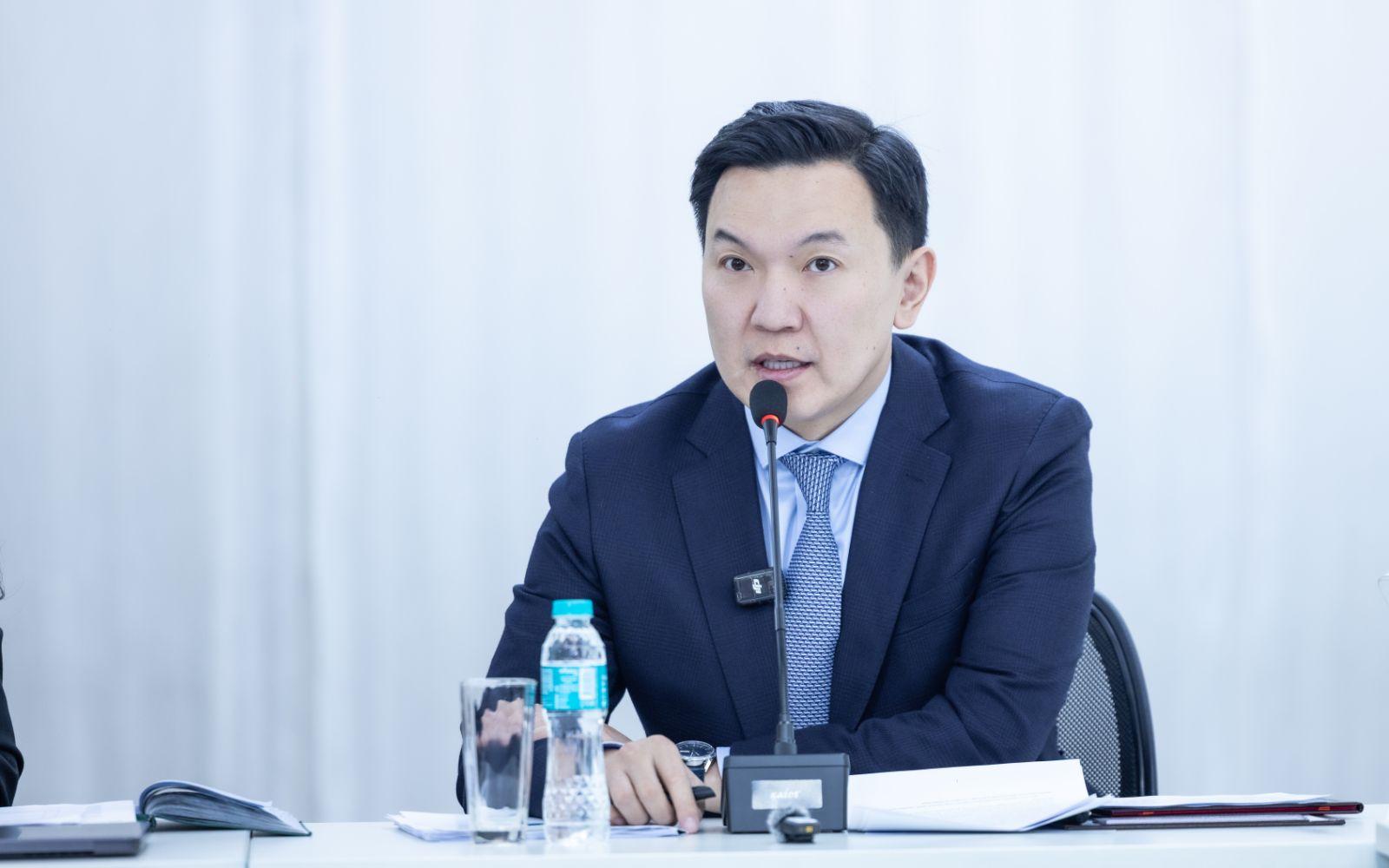
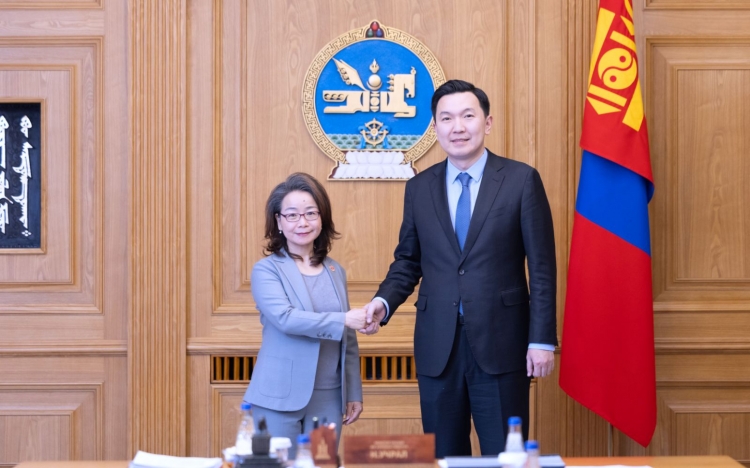
n May 2, 2026, Deputy Prime Minister of Mongolia N. Nomtoibayar visited the Zamiin-Uud Free Economic Zone in Dornogovi Province, calling for urgent legal reforms and stronger efforts to attract investment.
N. Nomtoibayar said the zone’s development must align with Mongolia’s regional policy, while expanding economic cooperation with China.
Despite more than USD 100 million invested over the past two decades across its 900 hectares, the zone has yet to deliver expected results. The government now plans to overhaul the legal and policy framework to create a more attractive investment environment.
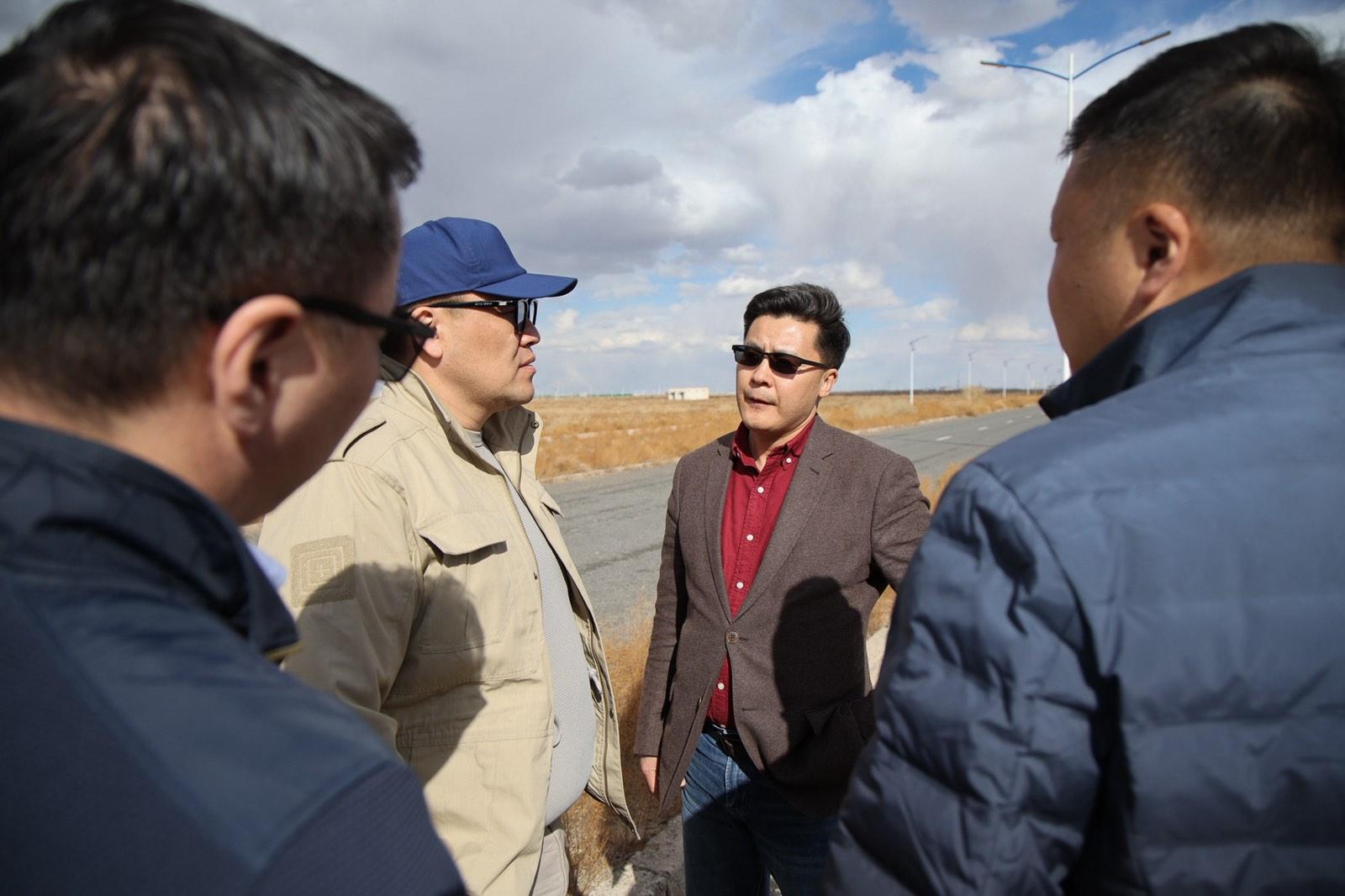
The Deputy Prime Minister said the zone will prioritize export-oriented industries, particularly value-added food and agricultural products. At the same time, it will support the development of sectors not viable domestically, including certain construction materials, renewable energy, food processing, and pharmaceuticals.
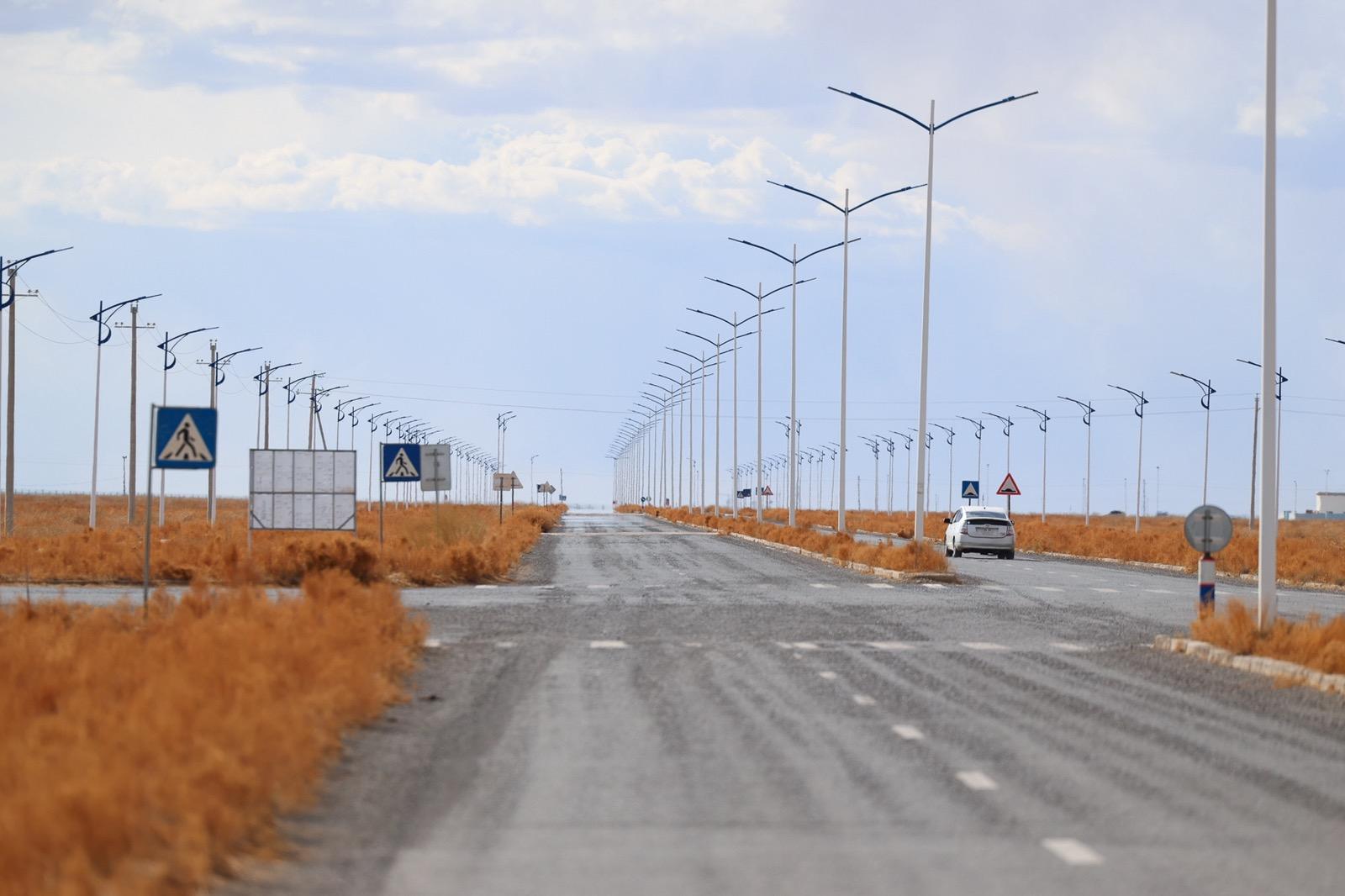
Currently, 16 companies operate in the zone. Core infrastructure built between 2011 and 2017, including utilities, roads, and communications, now requires upgrades to meet rising demand.
N. Nomtoibayar instructed officials to assess investment needs and take concrete steps to attract investors and accelerate development.