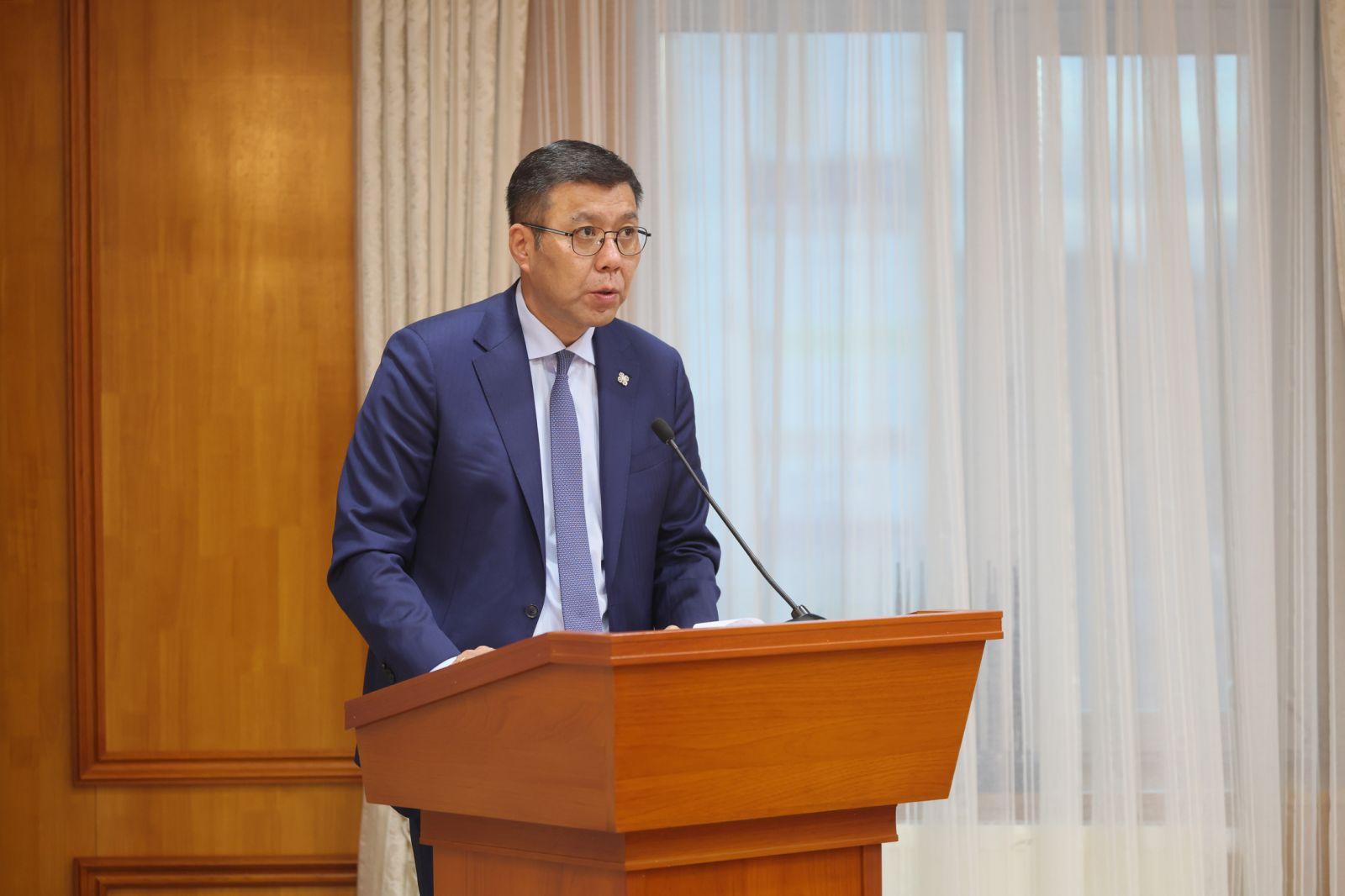
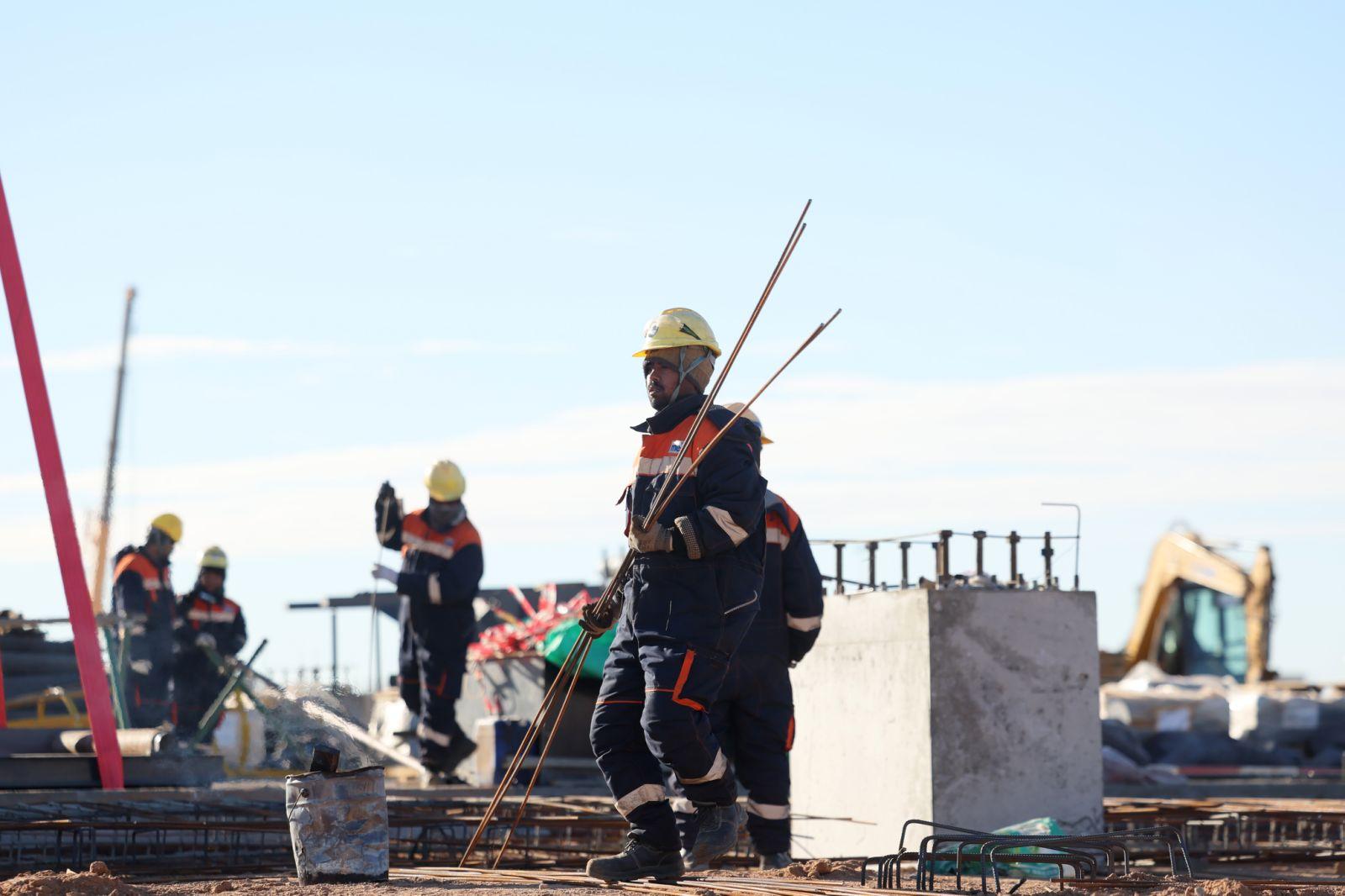
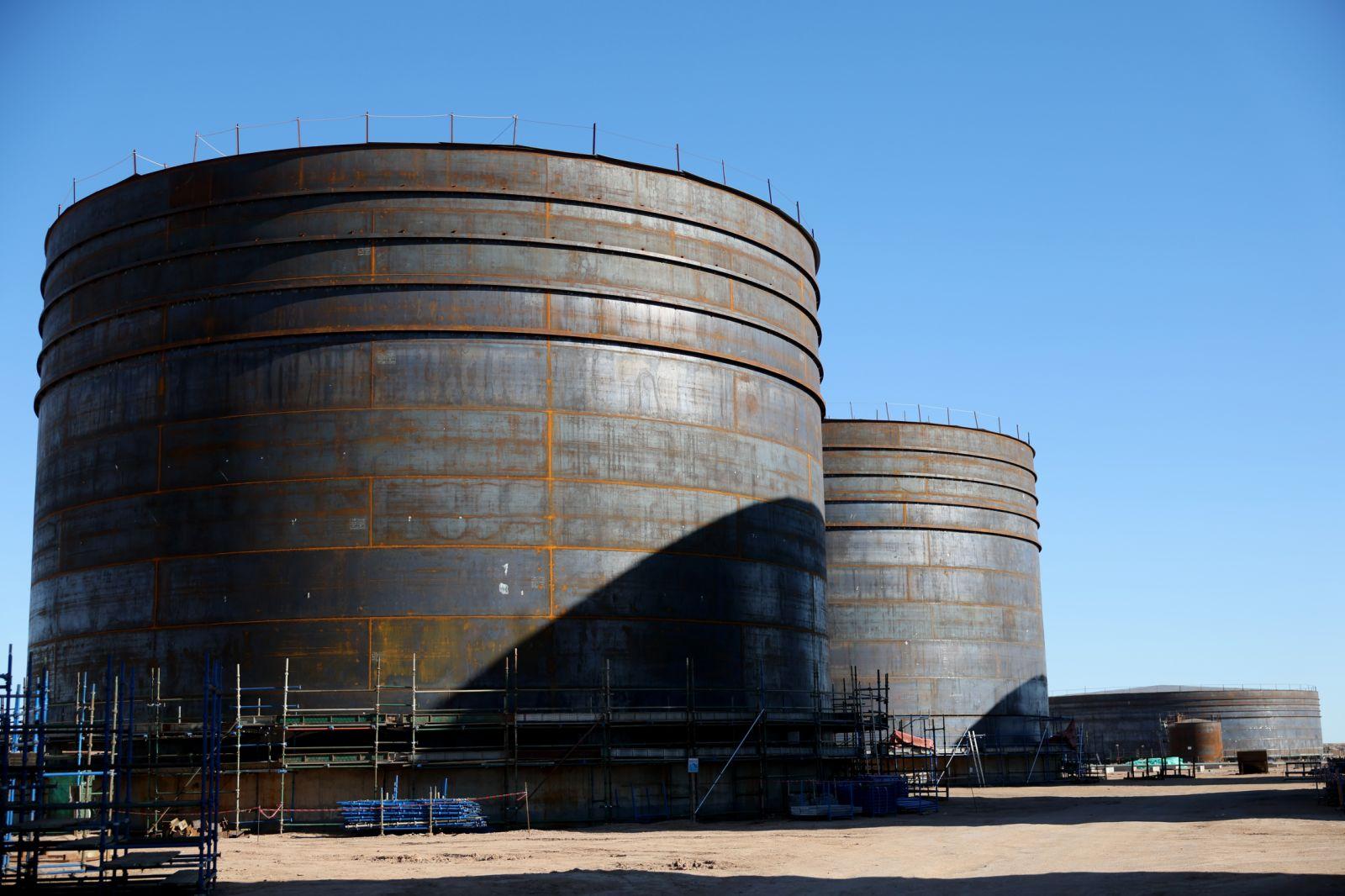
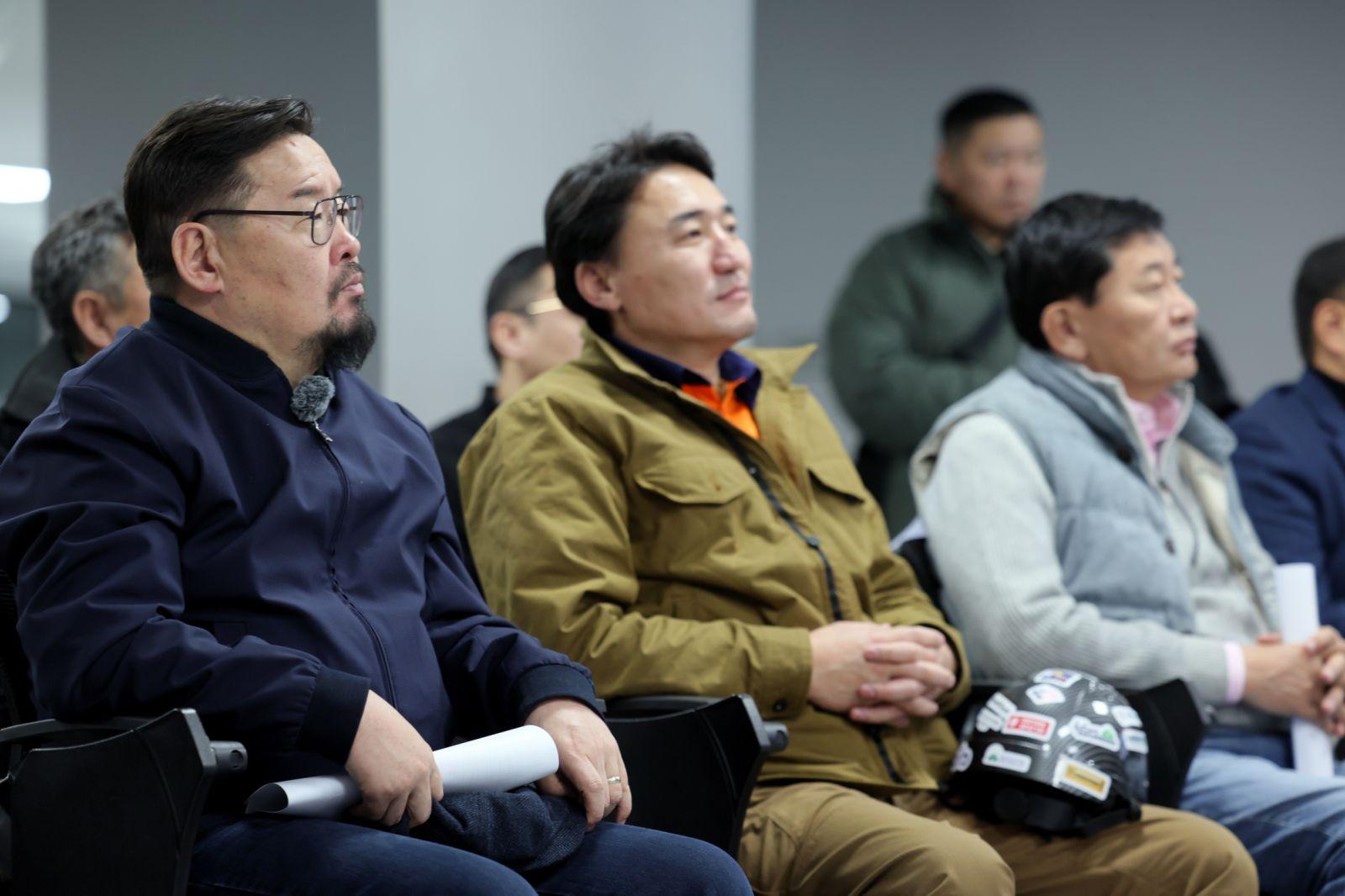
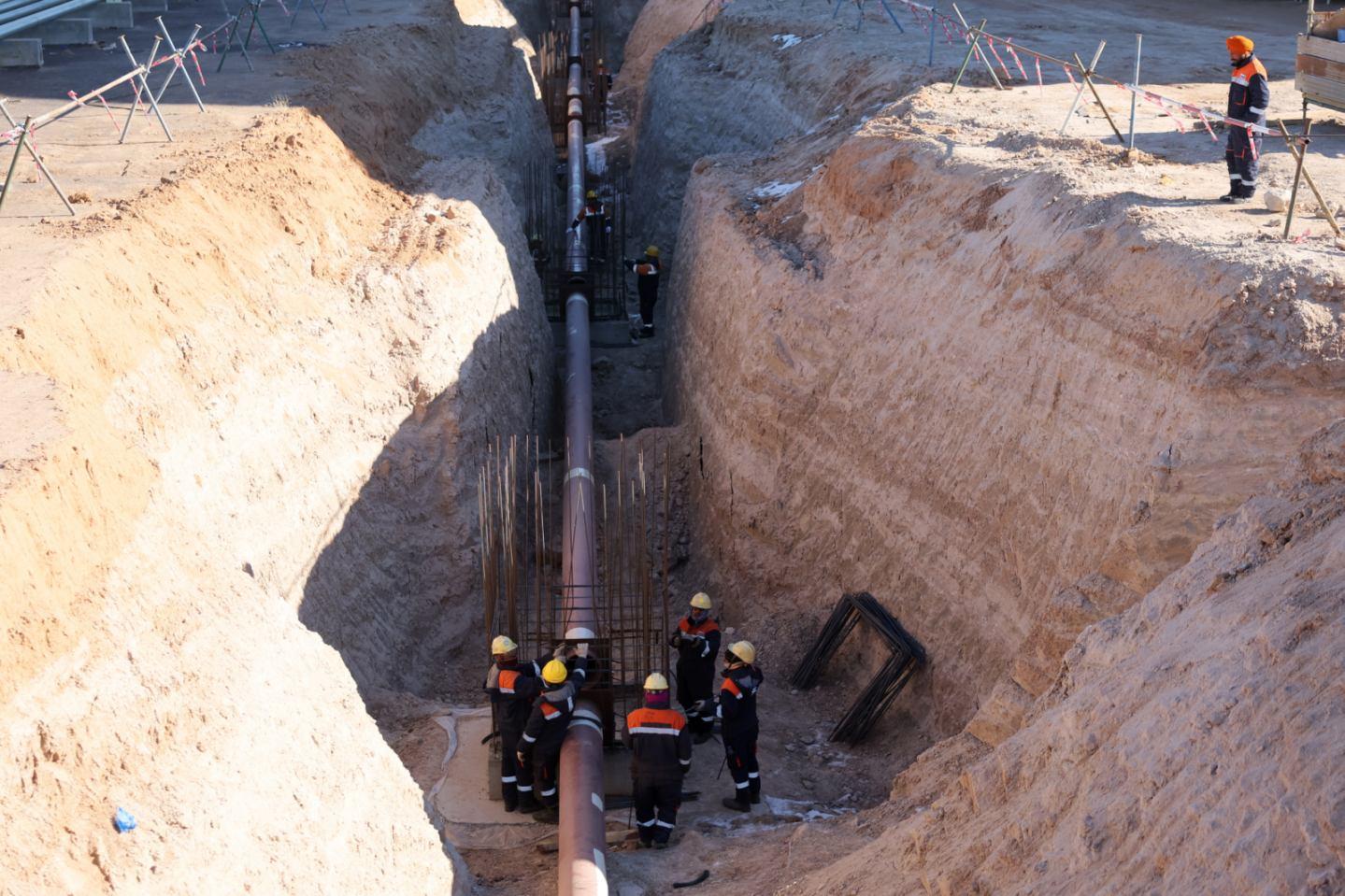
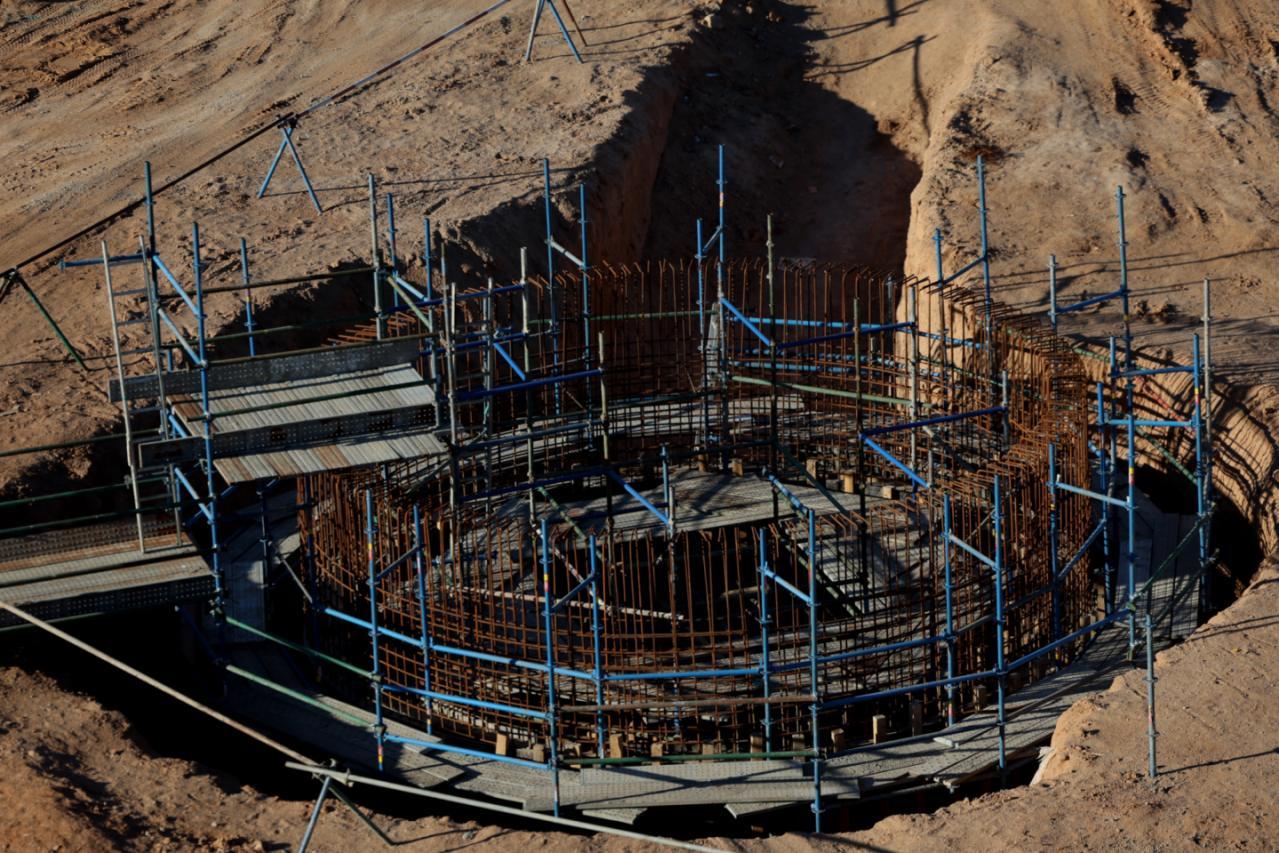
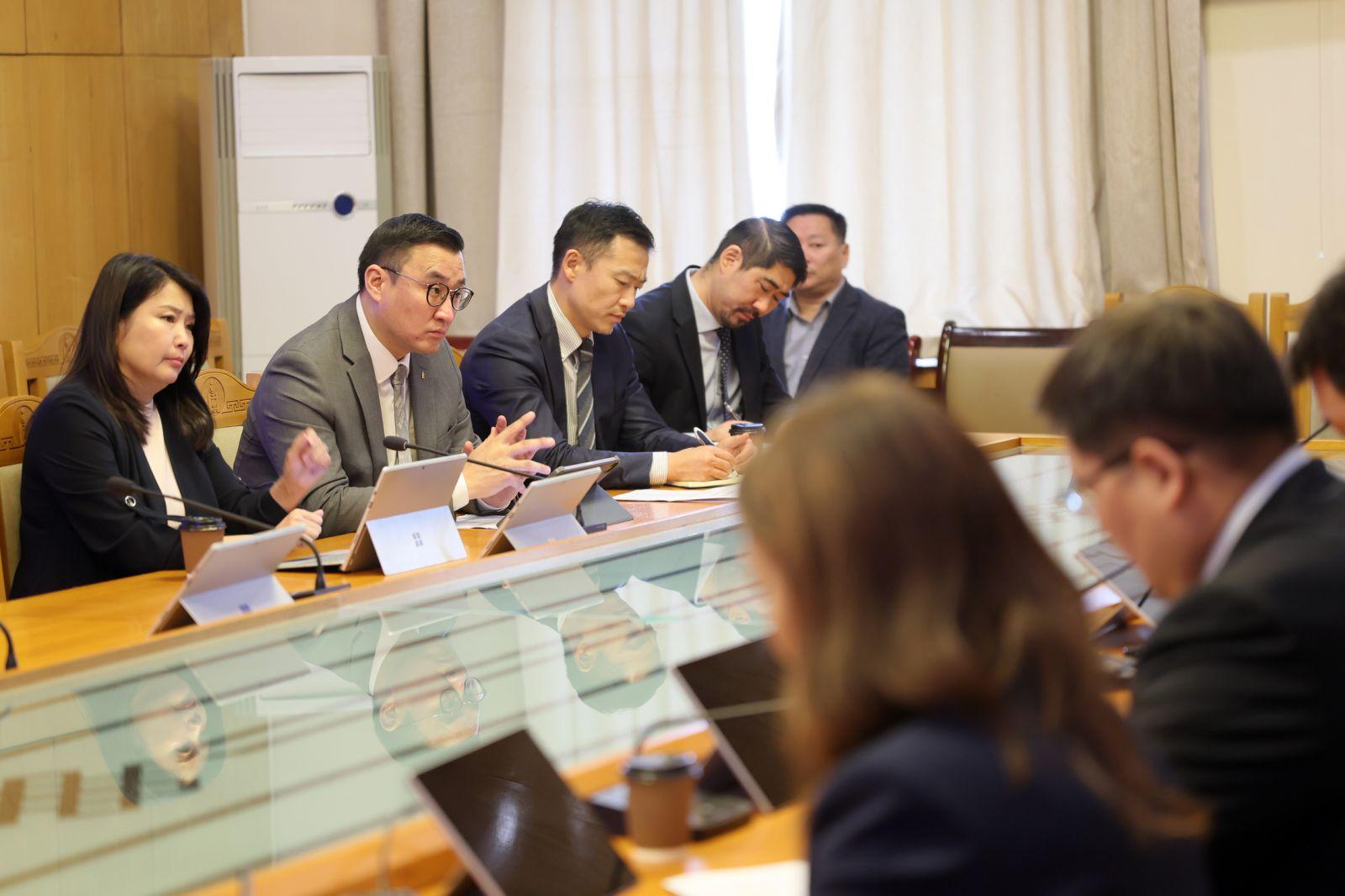
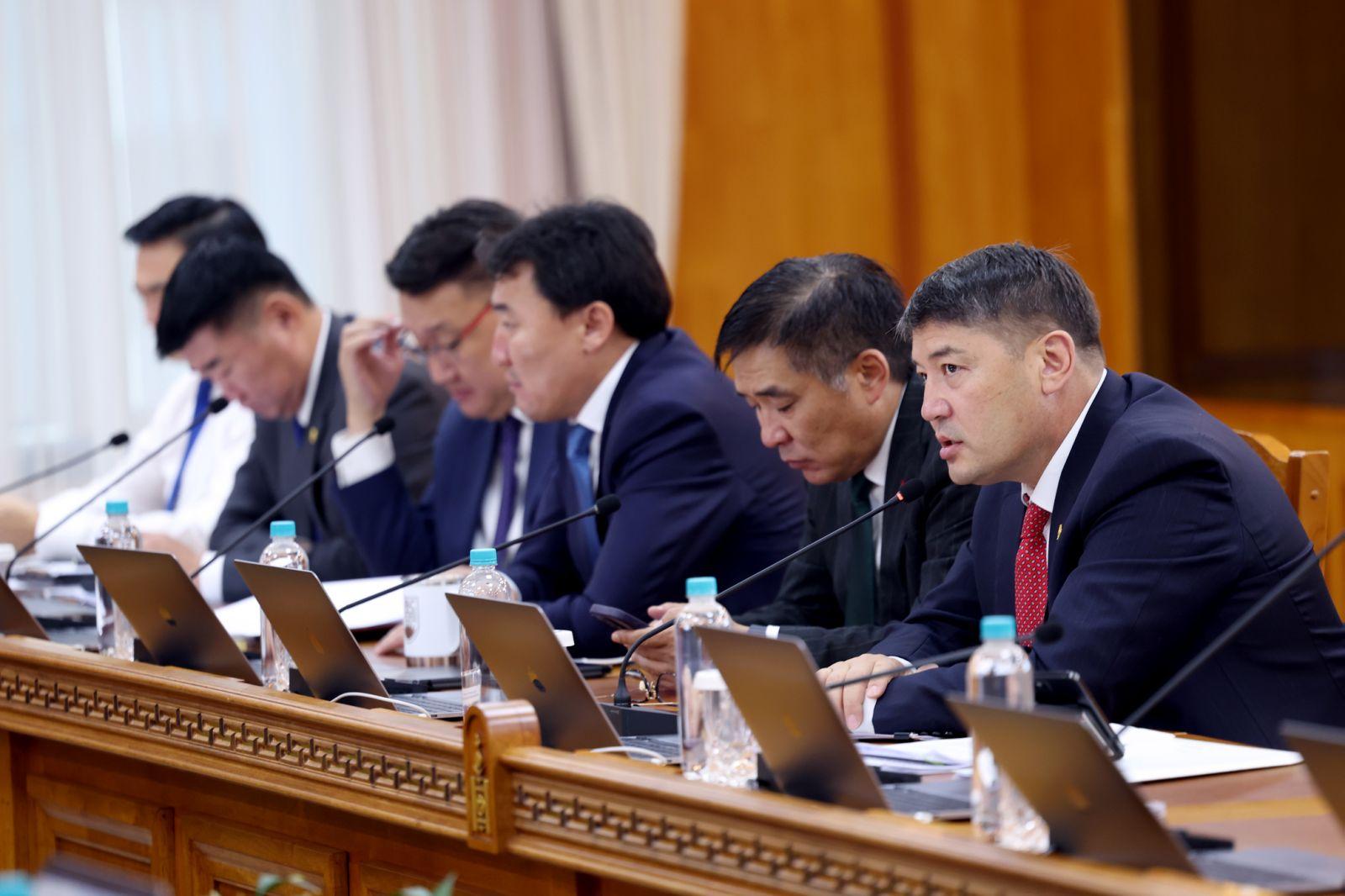
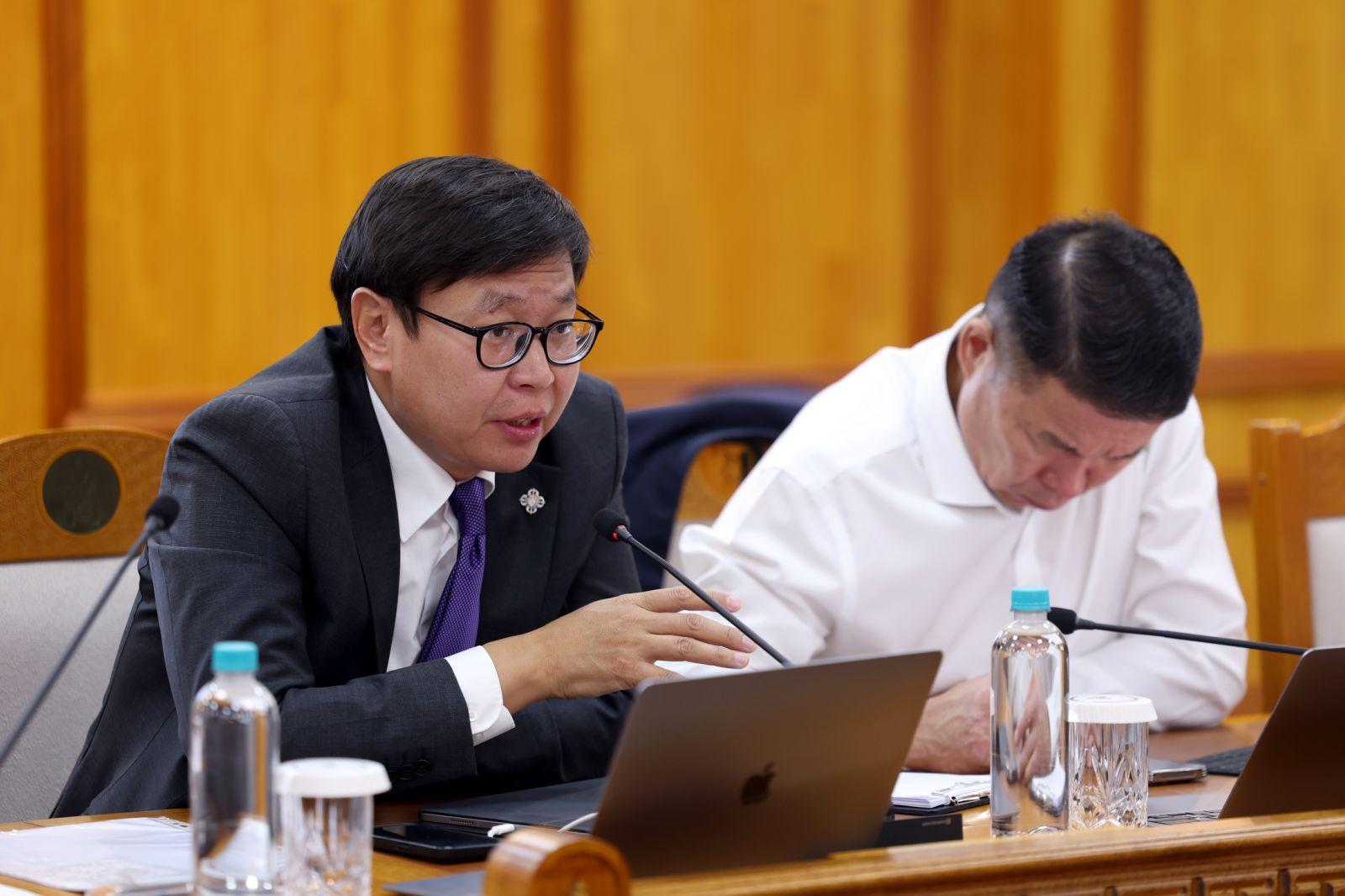
During a Cabinet meeting held on 28 January, the Chief of the Cabinet Secretariat, S. Byambatsogt, presented to Cabinet members an update on the progress of work conducted by the sub-working group responsible for evaluating proposals submitted by companies that have expressed interest in investing in and partnering on the Copper Concentrate Smelting and Processing Plant project to be implemented based on Erdenet Mining Corporation, a state-owned enterprise.
In September of last year, pursuant to an order of the Prime Minister, a Working Group was established to accelerate the implementation of the project to construct a copper concentrate smelting and processing plant at Erdenet Mining Corporation. The Working Group is chaired by S. Byambatsogt, Chief of the Cabinet Secretariat.
General information regarding the project was disseminated to 55 companies from more than 20 countries. To date, 13 companies from seven countries have officially expressed their interest in investing in and cooperating on the project.

To identify the most qualified investor and contractor, the sub-working group conducted an evaluation of the submitted proposals, taking into consideration the companies’ experience in implementing similar projects, proposed technical and technological solutions, financial and economic capacity, and comparative advantages.
The companies currently under consideration include:
- NFC (People’s Republic of China)
- Jiangxi Copper (People’s Republic of China)
- A consortium comprising Liantou New Energy Technology, China ENFI Engineering Corporation, and Shanxi Northern Copper Industry (People’s Republic of China)
- Glencore International AG (Swiss Confederation).
Preparatory work is underway to complete the final stage of the selection process for the investor and contractor for the Copper Concentrate Smelting and Processing Plant project within the first quarter of 2026.

Preparatory Work for Launching Direct Flights Between Mongolia and the United States Is Ongoing
At the Cabinet meeting held on 28 January, the Government discussed the progress of preparatory work for launching direct flights between Mongolia and the United States of America.
In 2023, the Governments of Mongolia and the United States concluded an Air Transport Agreement, thereby establishing the legal framework for operating direct flights between the two countries.
From the Mongolian side, to commence direct flights, it is required to undergo the International Aviation Safety Assessment (IASA) conducted by the U.S. Federal Aviation Administration, as well as a security assessment by the Transportation Security Administration. As part of the preparatory work for launching direct flights, the Civil Aviation Authority of Mongolia announced a selection process and, in 2024, entered into a consultancy agreement with the U.S.-based company The Wicks Group Consulting to obtain professional guidance for the IASA assessment.

Mongolian civil aviation sector organizations are currently implementing the recommendations provided through the consultancy services. To fully complete preparations for the IASA assessment, discussions have been held regarding the financing of the second phase of consultancy services through the United States Trade and Development Agency.
It is planned that a grant agreement will be concluded soon between the Government of the United States and USTDA, and the Government of Mongolia and the Civil Aviation Authority of Mongolia.
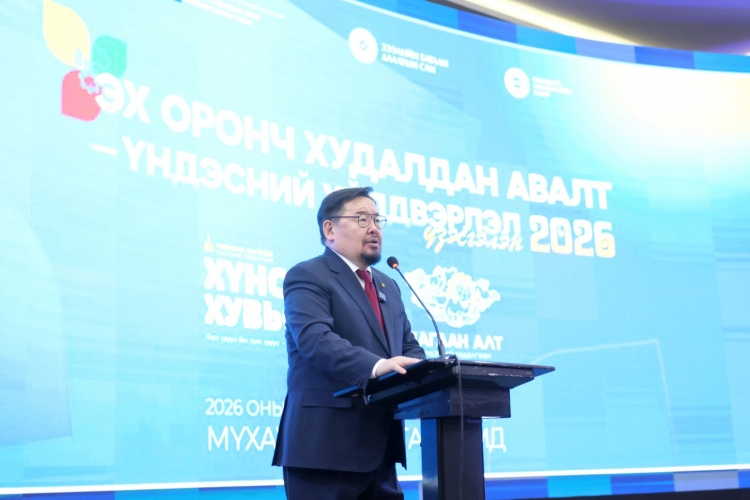
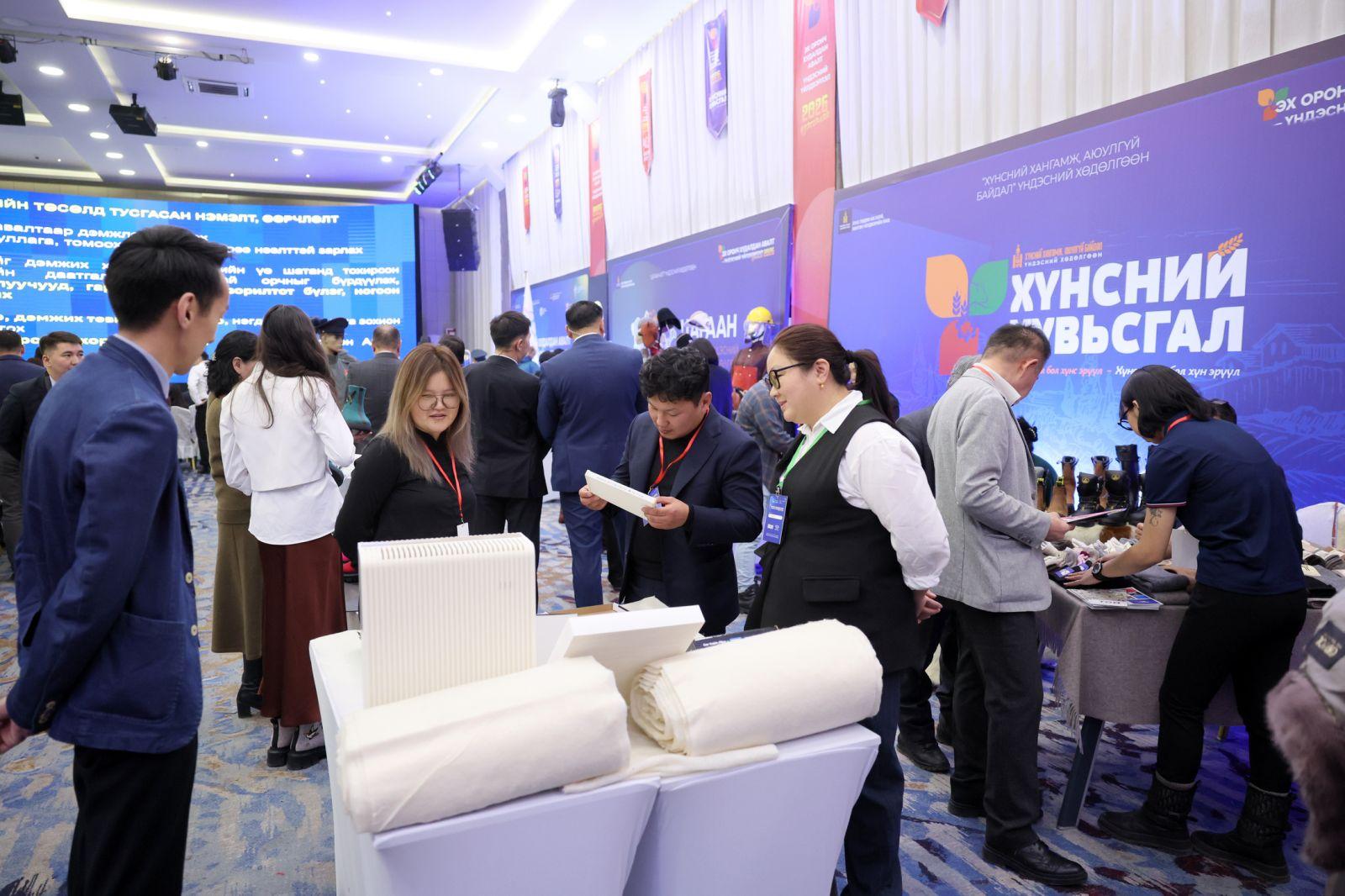
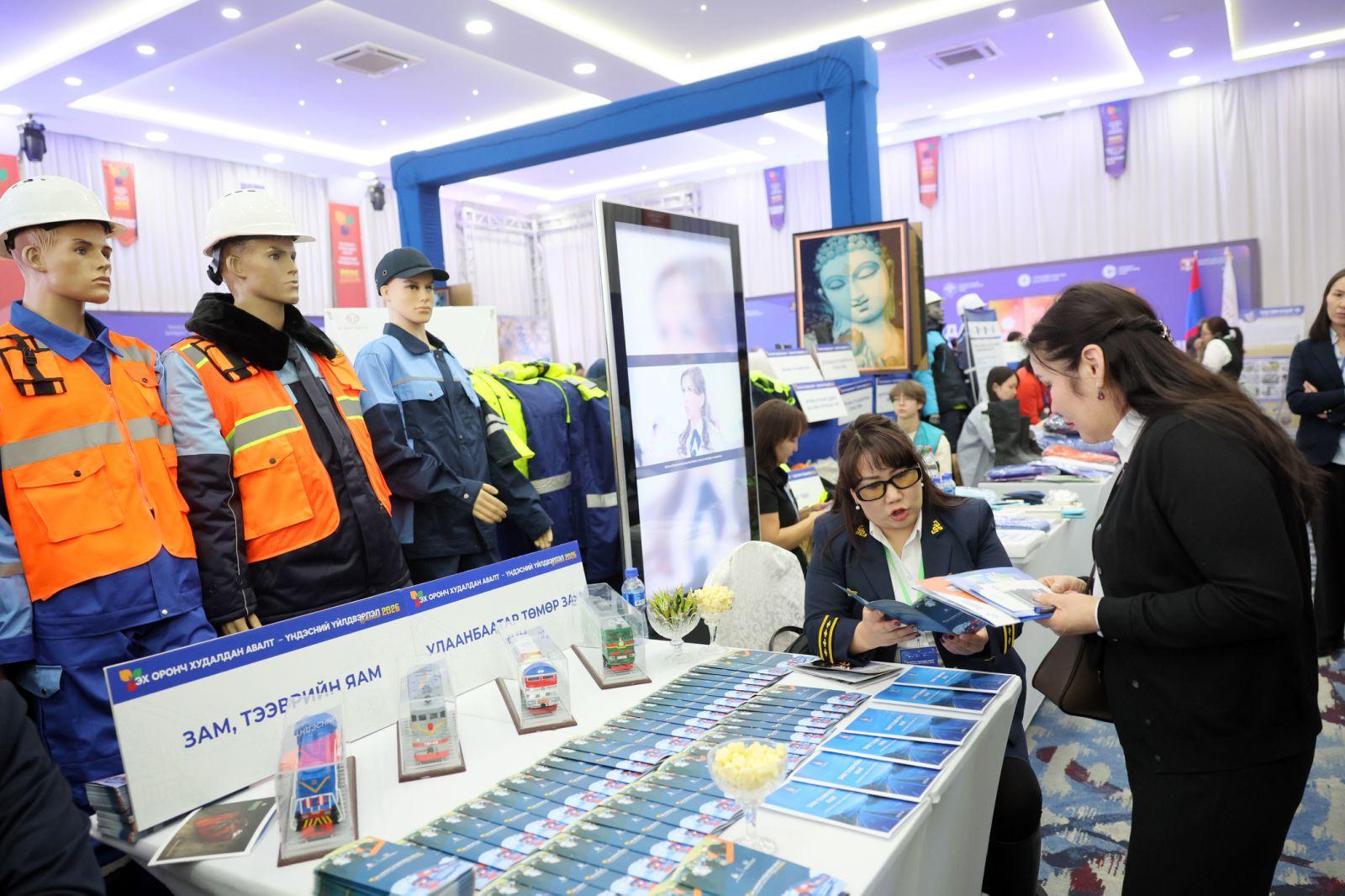
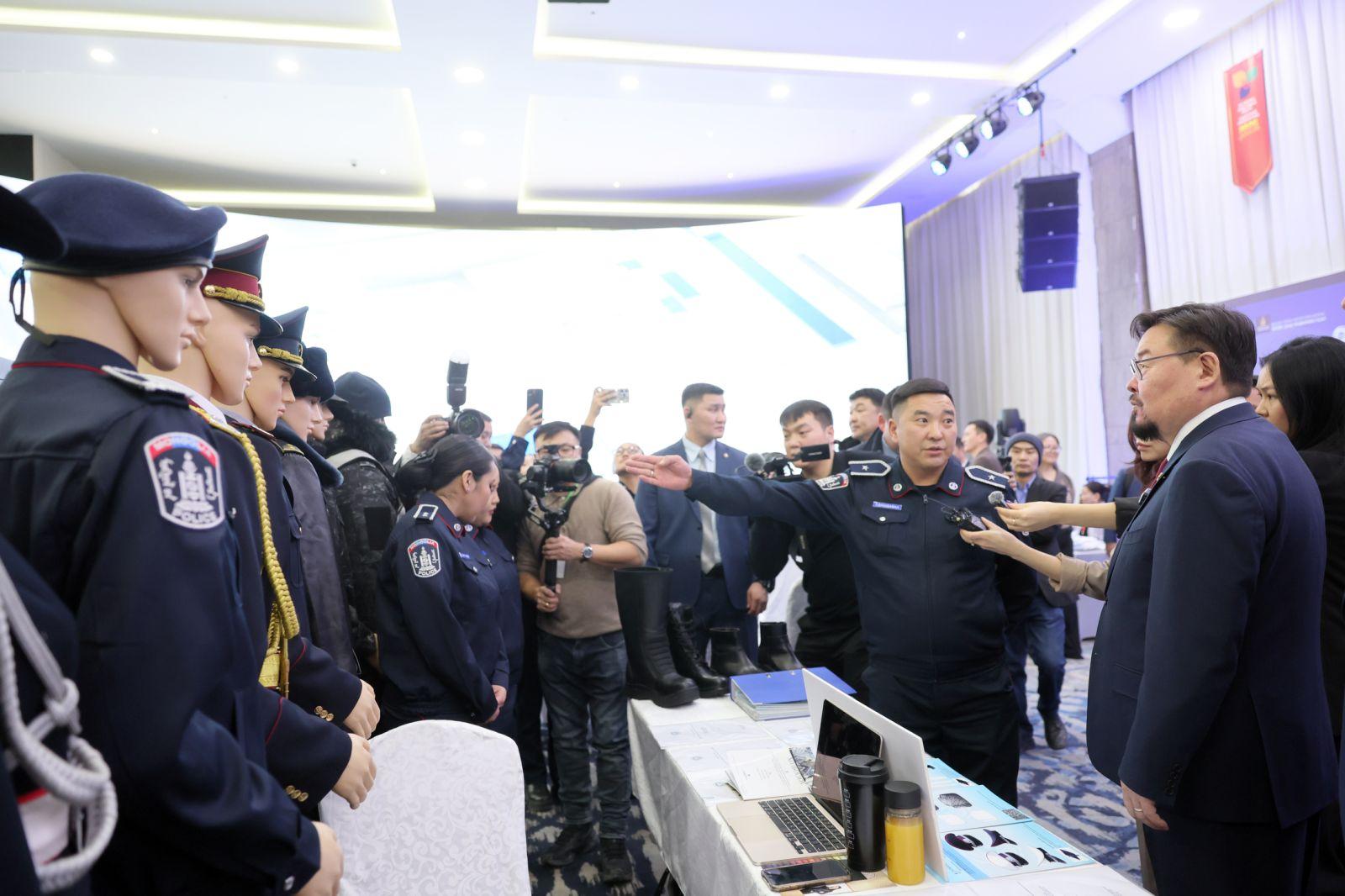
Prime Minister G. Zandanshatar on January 26 attended the opening of an exhibition showcasing products from domestic small and medium-sized enterprises, organized as part of preparations for the upcoming Tsagaan Sar holiday.
At the event, the Prime Minister announced that the Government is developing a strategy to reduce loan interest rates for national producers and intends to submit it to Parliament during the spring session. He noted that improving financial conditions for SMEs remains a priority for supporting domestic production and employment.
The Prime Minister further stated that a package of tax reform bills will be submitted during the same session. The reforms are expected to reduce the tax burden by 1.6 trillion MNT, primarily benefiting citizens and SMEs.

Prime Minister Zandanshatar underscored that strengthening national production contributes to economic stability and job creation. He called on citizens to purchase domestic products ahead of the Tsagaan Sar holiday and emphasized the importance of improving product quality and compliance with standards.


S&P Global Ratings has upgraded Mongolia’s sovereign credit rating from “B+ (positive)” to “BB- (stable)”, the country’s strongest rating in 13 years.
The upgrade reflects improved fiscal discipline, debt management, and sustained economic growth. Since taking office, Prime Minister G.Zandanshatar has amended the 2025 budget, cutting spending by MNT 2.2 trillion and reducing the fiscal deficit. The government also boosted coal exports and foreign currency inflows, helping foreign reserves reach a historic high.
S&P highlighted Mongolia’s strengthened budget performance driven by mining exports, a declining debt-to-GDP ratio, and expectations of continued steady growth with a relatively low deficit over the next one to two years. The agency also expects consistent policy implementation despite domestic political developments.
The move follows other positive ratings actions in 2025: Fitch affirmed Mongolia at “B+, Stable”, and Moody’s upgraded the country to “B1, Stable.” This is S&P’s second upgrade for Mongolia in two years.
The higher rating is expected to reduce Mongolia’s external borrowing costs, strengthen the credit outlook for banks and businesses, and boost investor confidence.
Prime Minister G.Zandanshatar has established a Special Working Group to combat corruption and theft in the mining sector and state-owned companies. The group includes representatives from the General Intelligence Directorate, the Independent Authority Against Corruption, the National Police Agency, the General Customs Administration, the Mongolian Tax Administration, and all ministries.
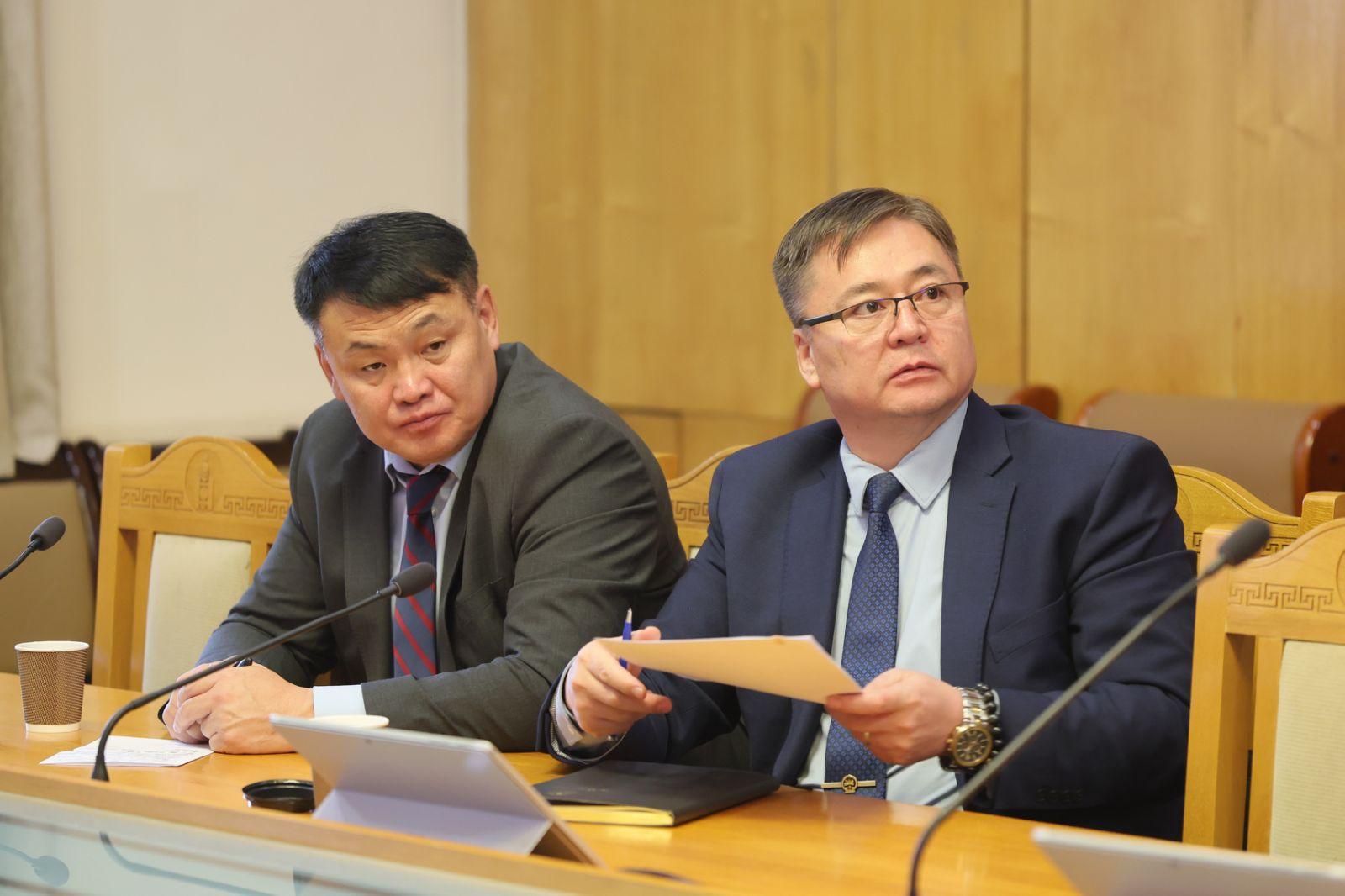
The working group will review and provide recommendations on a draft law aimed at identifying the causes of corruption and official misconduct and strengthening the legal framework.
The Prime Minister instructed the group to focus on developing laws on whistleblower protection and enhancing the national system for witnesses and victims. He also highlighted the importance of amending the Law on State and Official Secrets, ensuring contract transparency, and establishing public oversight.


At its regular meeting on October 1, the Cabinet discussed and resolved several key issues concerning energy restoration, social welfare, foreign economic cooperation, and the 2026 state budget.
Energy Restoration Efforts
A major focus of the meeting was the ongoing restoration of Thermal Power Plant III, which experienced an accident at its high-pressure section. The Ministry of Energy reported that five major measures are underway to restore operations, including equipment replacement and reconstruction of fire-damaged facilities.
Three packages of work, now 90 percent complete, are scheduled for completion before the peak winter demand, while the remaining two will be finalized before the following winter. With prompt financial and legal support from the Government, restoration has progressed successfully. Officials emphasized that disruptions in Ulaanbaatar’s heating supply have been eliminated, while electricity production is expected to reach 50 percent of last year’s level. The remaining demand will be met by new energy sources.

Revised Social Welfare Regulation
The Cabinet also revised and approved the Regulation on Aiding and Benefits to Persons with Developmental Challenges. First adopted under Government Resolution No. 197 in 2017, the regulation has been updated to simplify the provision of assistance from the Social Welfare Fund and to resolve challenges encountered in its implementation. Under the new rules, citizens will no longer be required to submit paper documents already available through the ehalamj.mn welfare system and the E-Mongolia public service platform.

Cross-Border Economic Cooperation with China
In foreign economic cooperation, the Government approved the General Plan for the Joint Development of the Mongolia–China Zamiin-Uud and Erlian Economic Cooperation Zone, following the intergovernmental agreement signed between the two countries. Deputy Prime Minister S. Amarsaikhan and Minister of Foreign Affairs B. Battsetseg were tasked with overseeing implementation, while other Cabinet members were instructed to support development of the free zone in line with existing legislation.
Preparations for the 2026 State Budget
The meeting also reviewed progress on preparations for the 2026 State Budget. According to the draft budget law submitted to parliament, a total of 579 projects and measures are included for financing, comprising 149 new initiatives and 430 continuing projects.