 Mongolian

The fourth session of the Economic Development Board, chaired by the Prime Minister of Mongolia, was held on April 21.
During the session, the Board reviewed draft amendments to the Law on Energy and the Law on Renewable Energy, as well as detailed legislative proposals from the private sector.
First Deputy Prime Minister L. Gantumur briefed board members on the current global economic situation and the risks facing Mongolia.
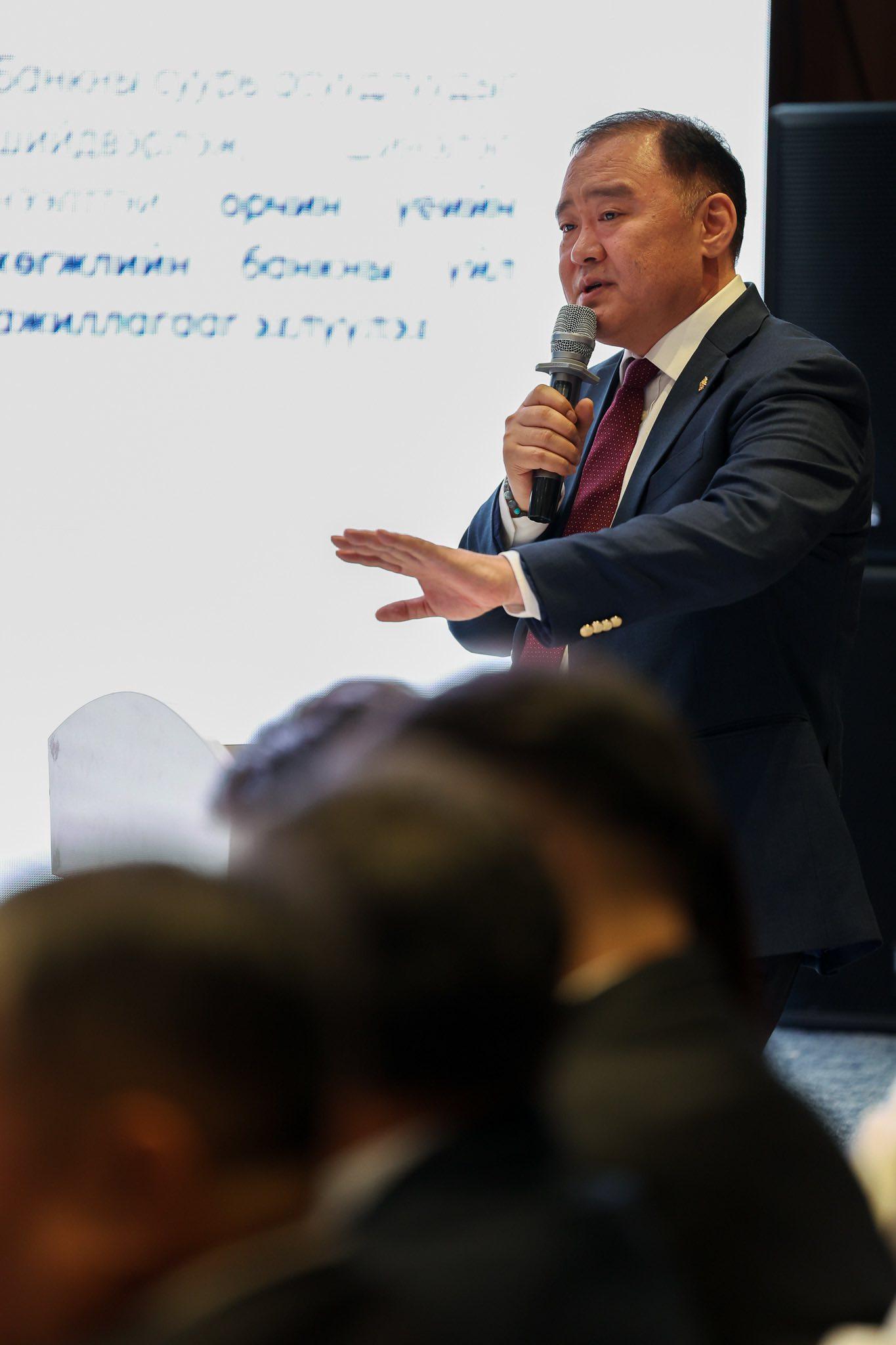
The World Uncertainty Index has reached its second-highest level in history. In 2020, the index hit 56 due to the pandemic. This time, it has reached 53, driven by U.S. elections and geopolitical tensions. According to the Asian Development Bank, as a result of ongoing trade conflicts, global economic growth is projected to contract by 0.4 percent in 2025 and 0.7 percent in 2026. China’s economic growth is also forecast to shrink by 0.4 percent in 2025 and 0.9 percent in 2026.
This global situation is negatively affecting Mongolia, whose state budget depends heavily on revenues from mining exports. In response, the First Deputy Prime Minister highlighted the urgency of adopting several key measures. These include the passage of draft amendments to the Law on the Mining Products Exchange, the implementation of the “Gold” program, the transformation of the Development Bank into an Exim Bank, and amendments to the Law on Public-Private Partnership.
He also emphasized the potential of the interim trade agreement between Mongolia and the Eurasian Economic Union and its member states, stating it presents an opportunity to expand Mongolia’s market access.
Despite current challenges, Mongolia’s coal export volume remains stable compared to last year, although export revenue is down by USD 1 billion and coal prices have fallen by 38 percent. Meanwhile, copper concentrate prices have risen by 19 percent, with exports up by 26 percent. The country’s foreign exchange reserves stand at USD 5 billion.
The meeting further addressed the proposed amendments to the Law on Energy and Renewable Energy. The Mongolian National Chamber of Commerce and Industry, along with the Mongolian Business Council and its member organizations, submitted over 270 proposals regarding the draft legislation. Out of these, 12 proposals and solutions were adopted. As Mongolia’s Energy Policy was last approved in 2001, the Board acknowledged the need for an updated policy framework.
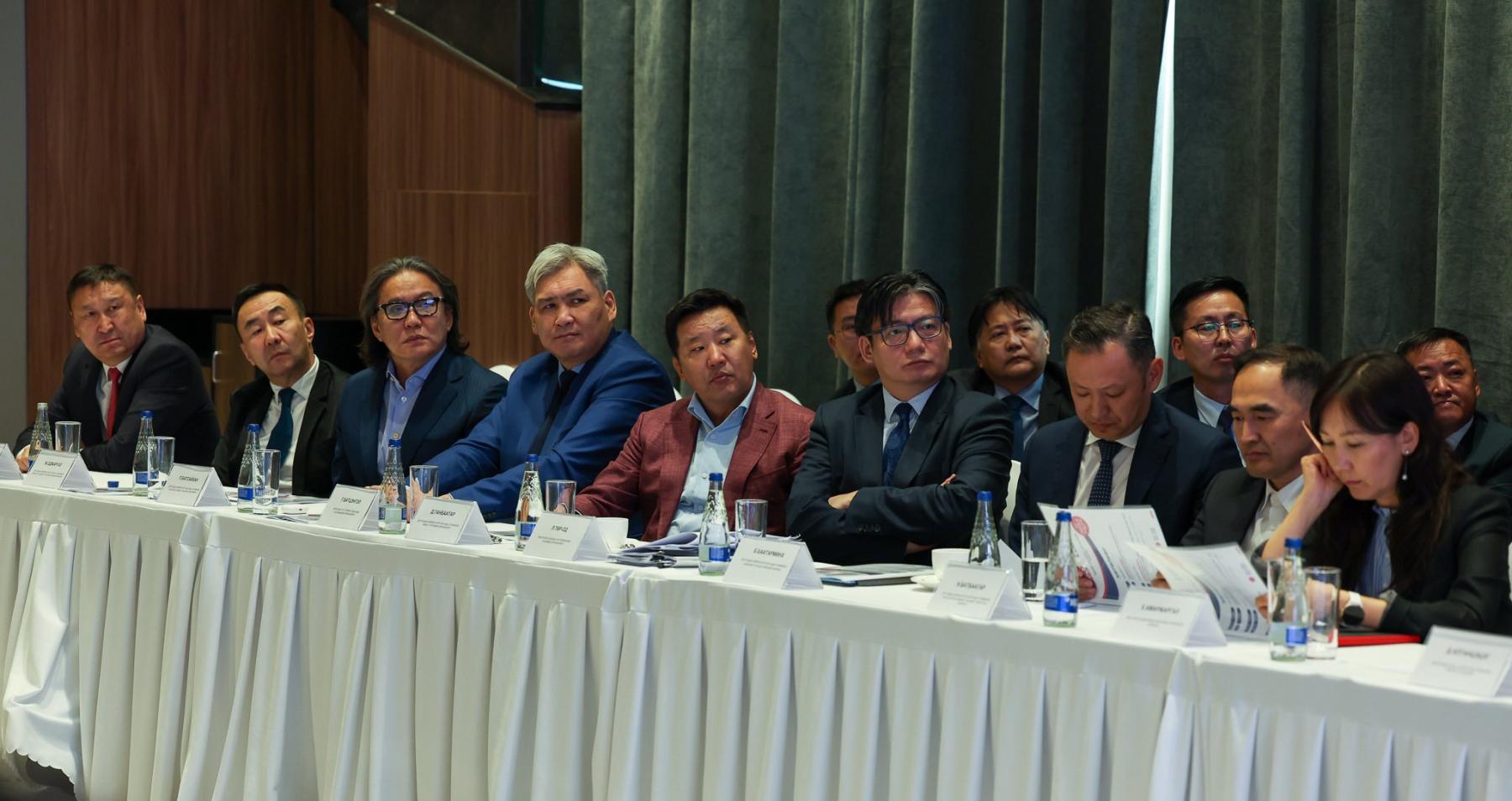
Concluding the meeting, the Prime Minister remarked that the current geopolitical climate, coupled with abrupt tariff shifts and global crises, poses serious challenges to both short- and long-term economic strategies. He underlined the importance of preparedness and the vital role of private sector engagement. “In future sessions of the Economic Development Board, we will hear updates on major private-sector-led projects that contribute to social and economic progress. The Government, in turn, will develop mechanisms to provide appropriate support for these initiatives,” he stated.

