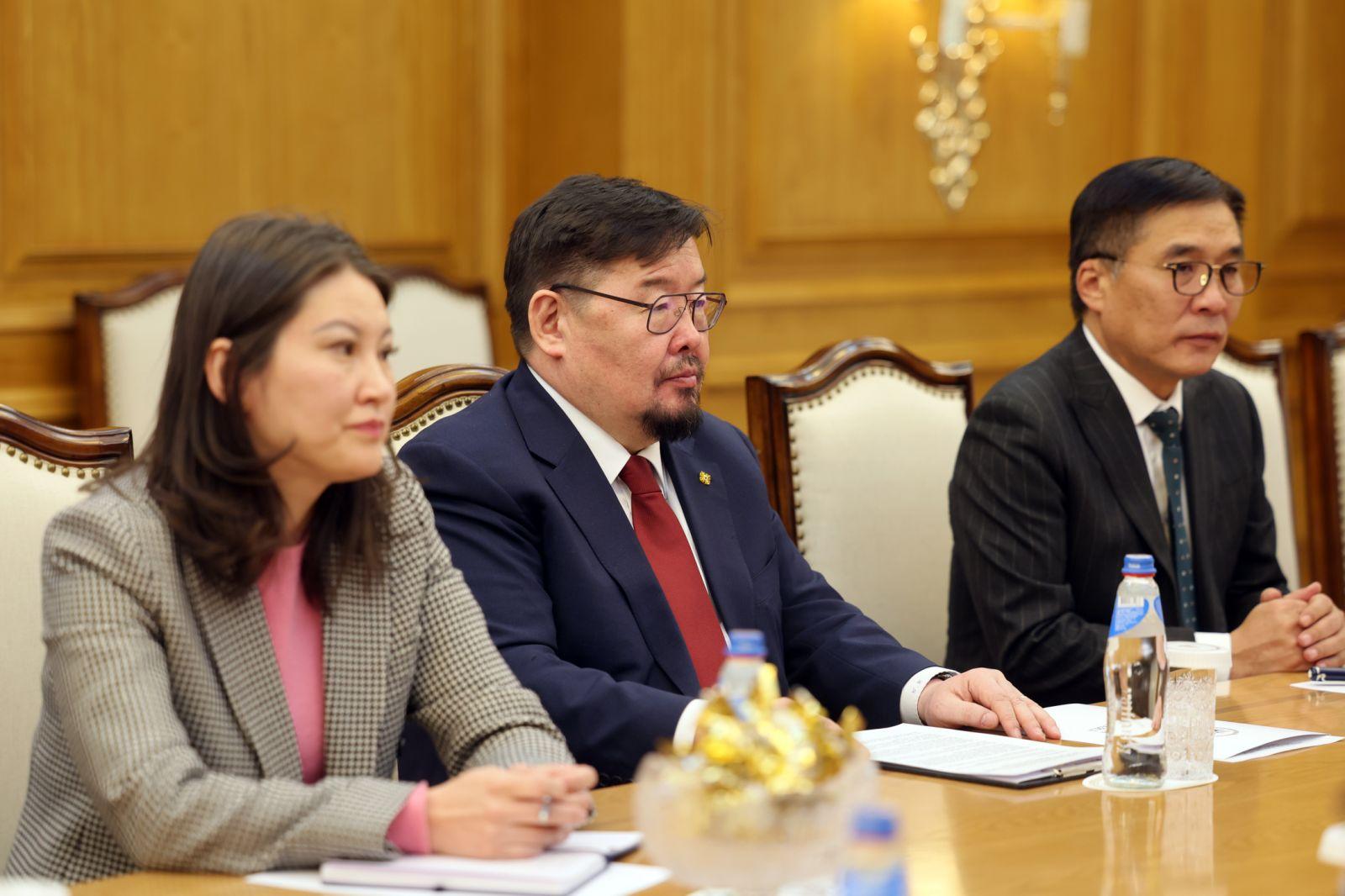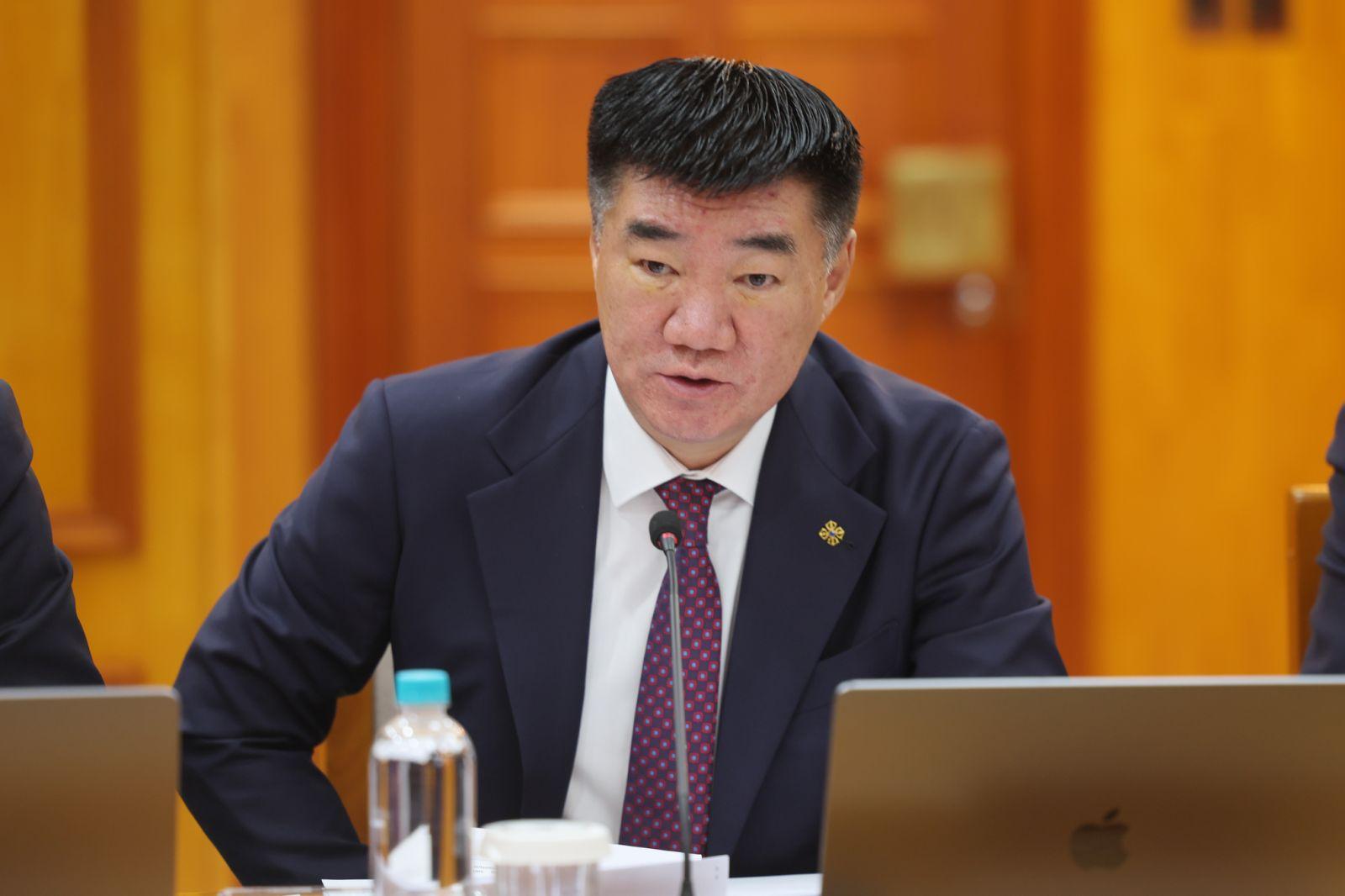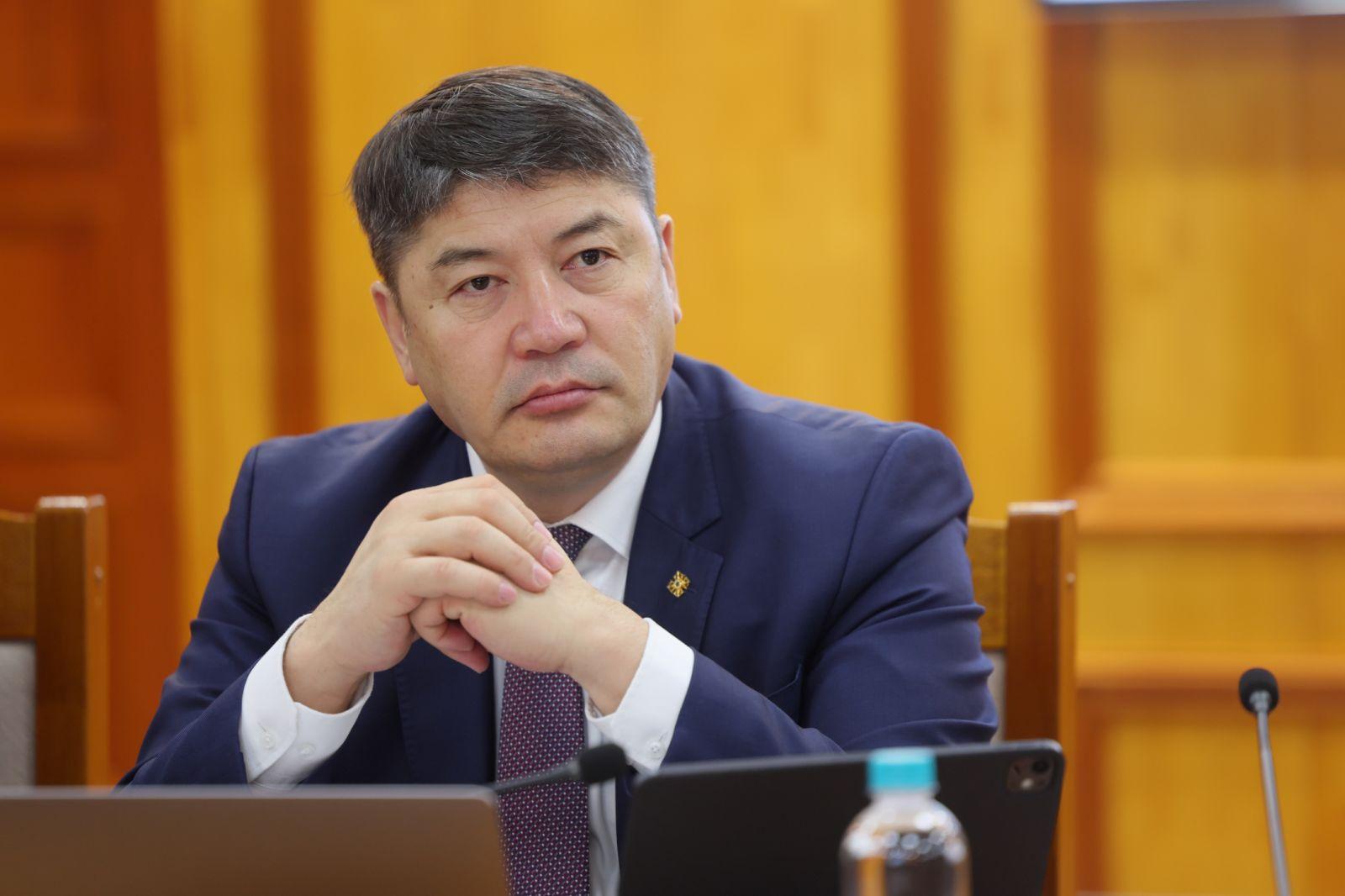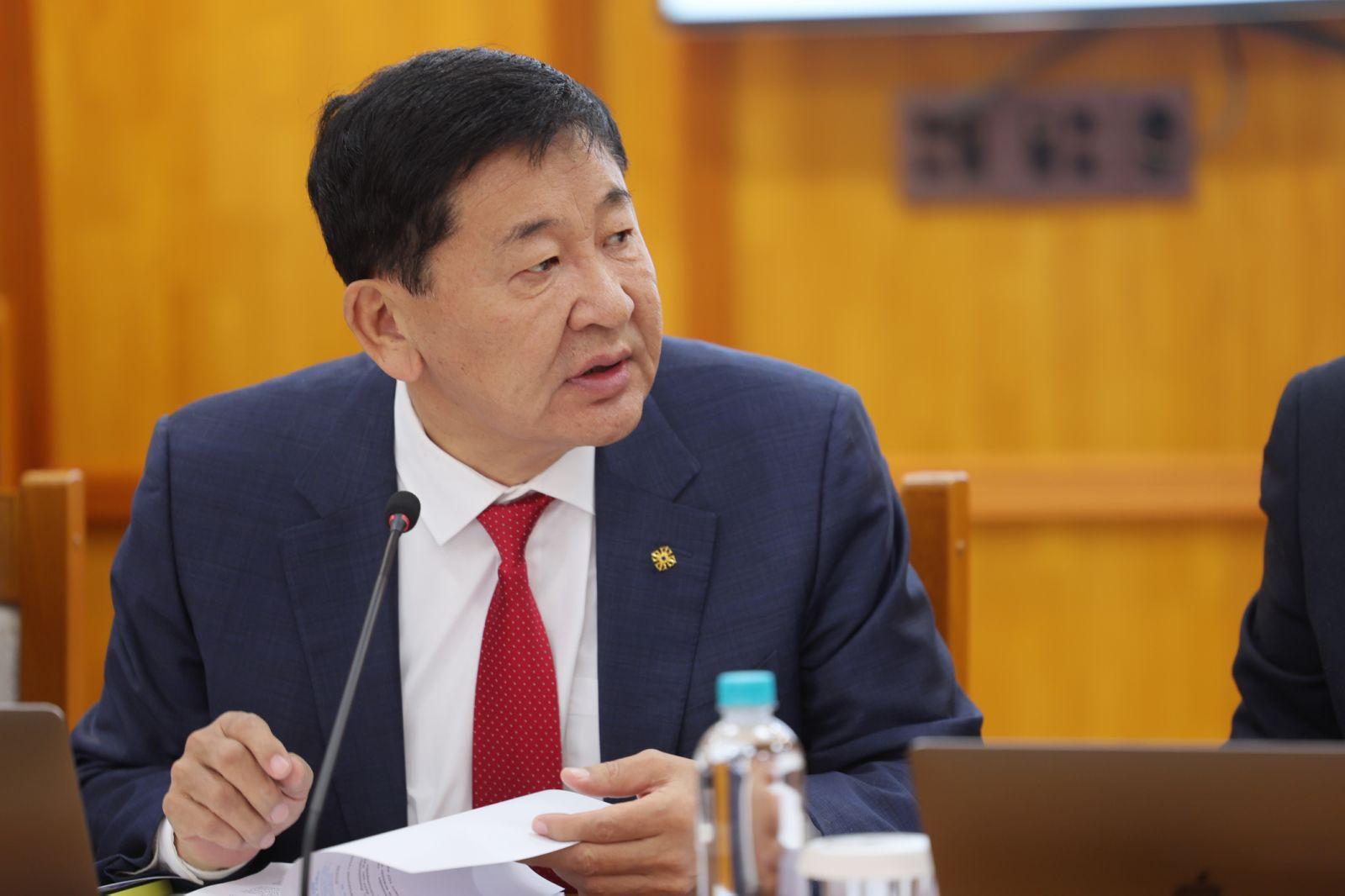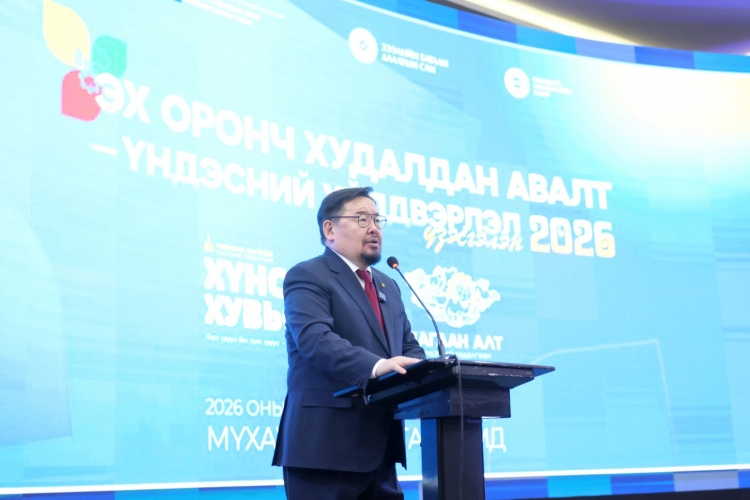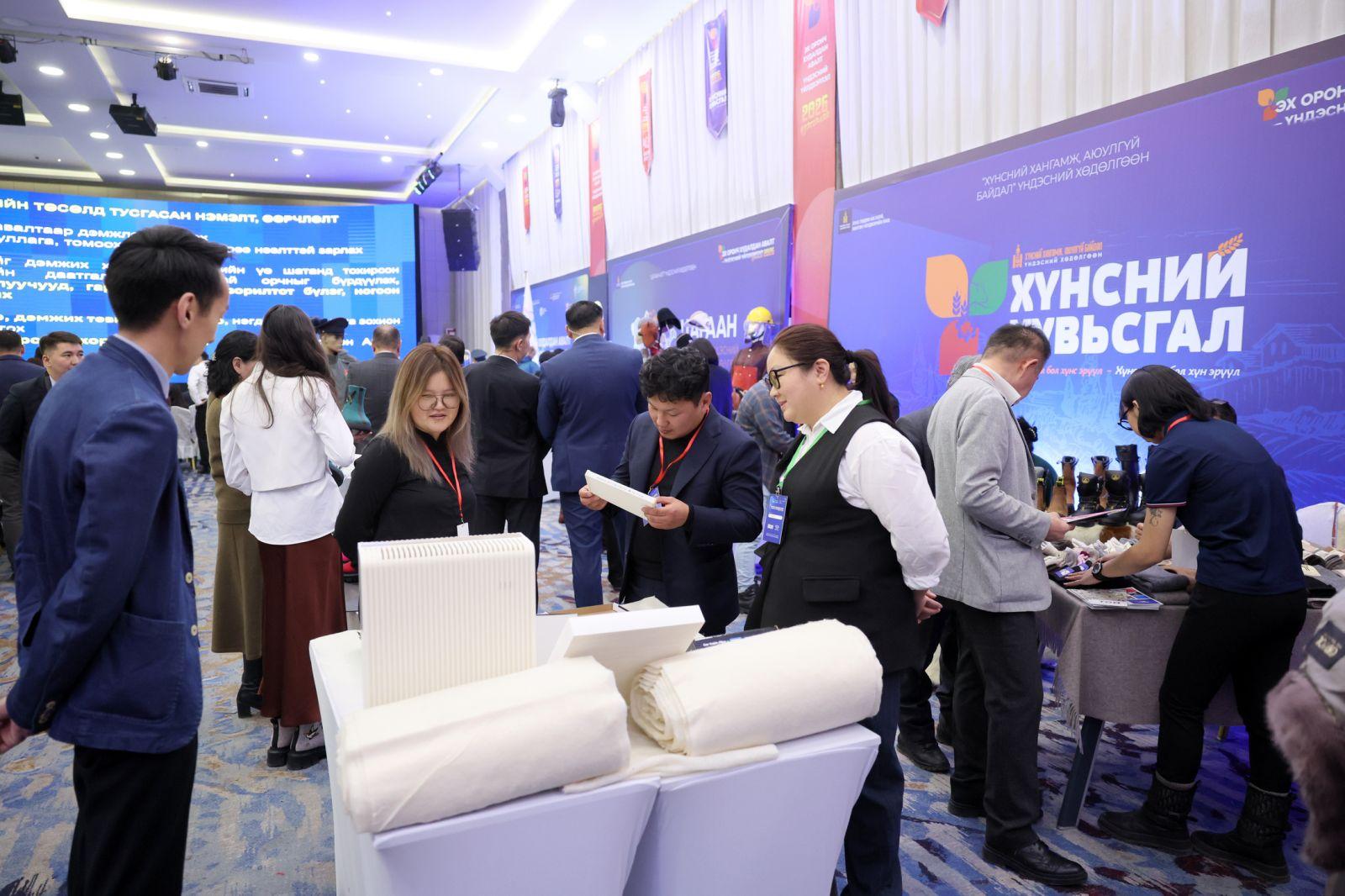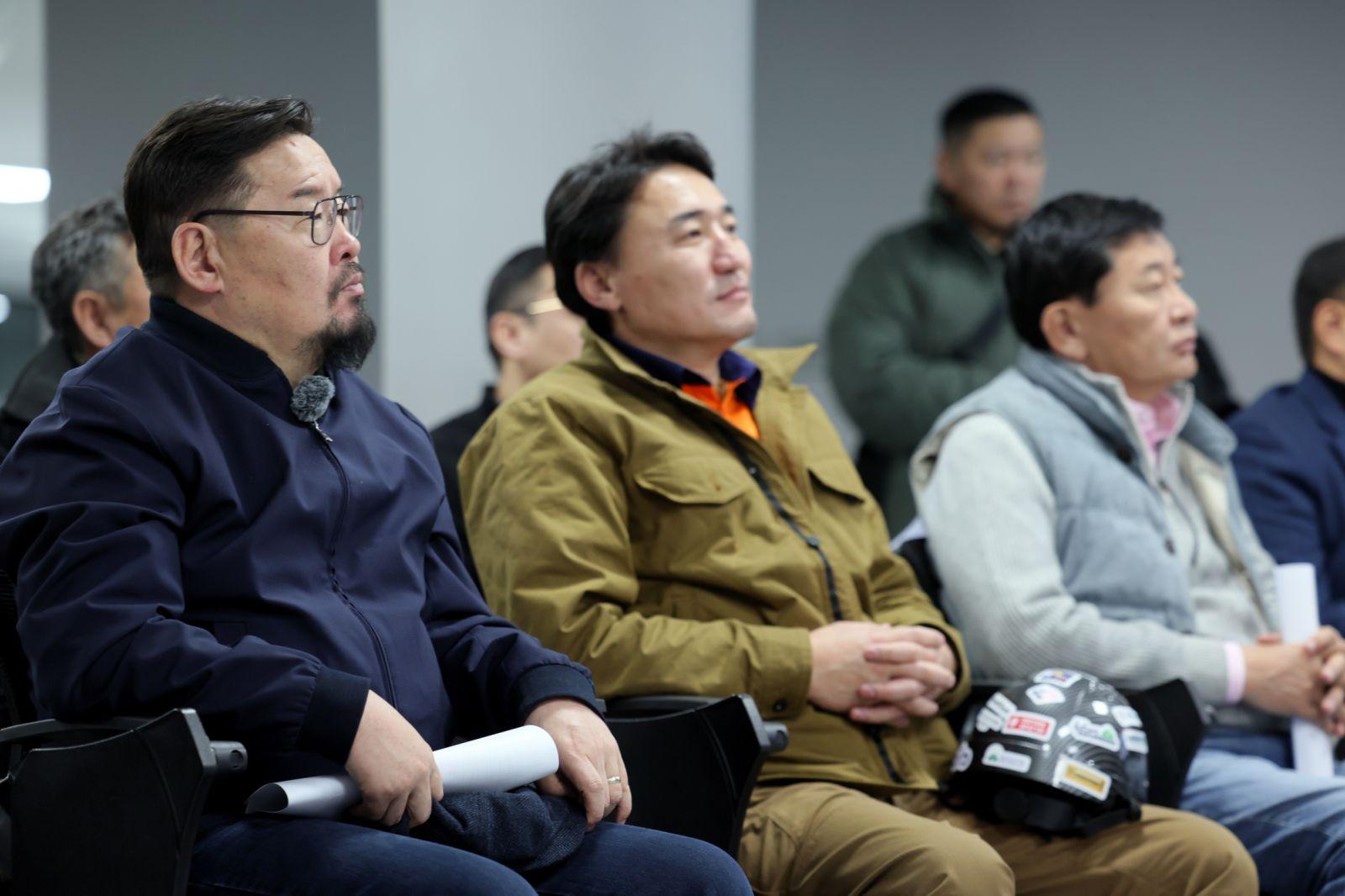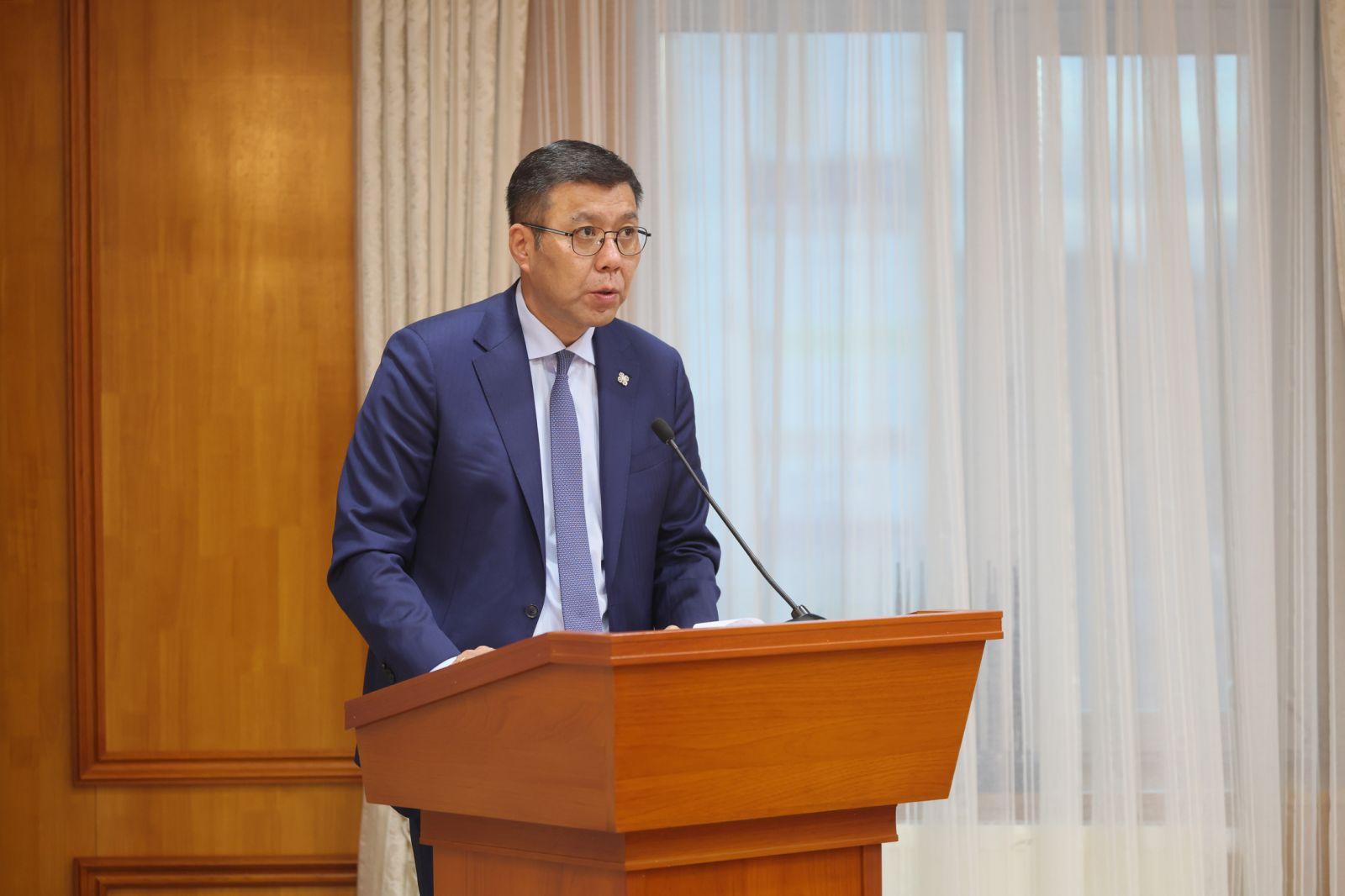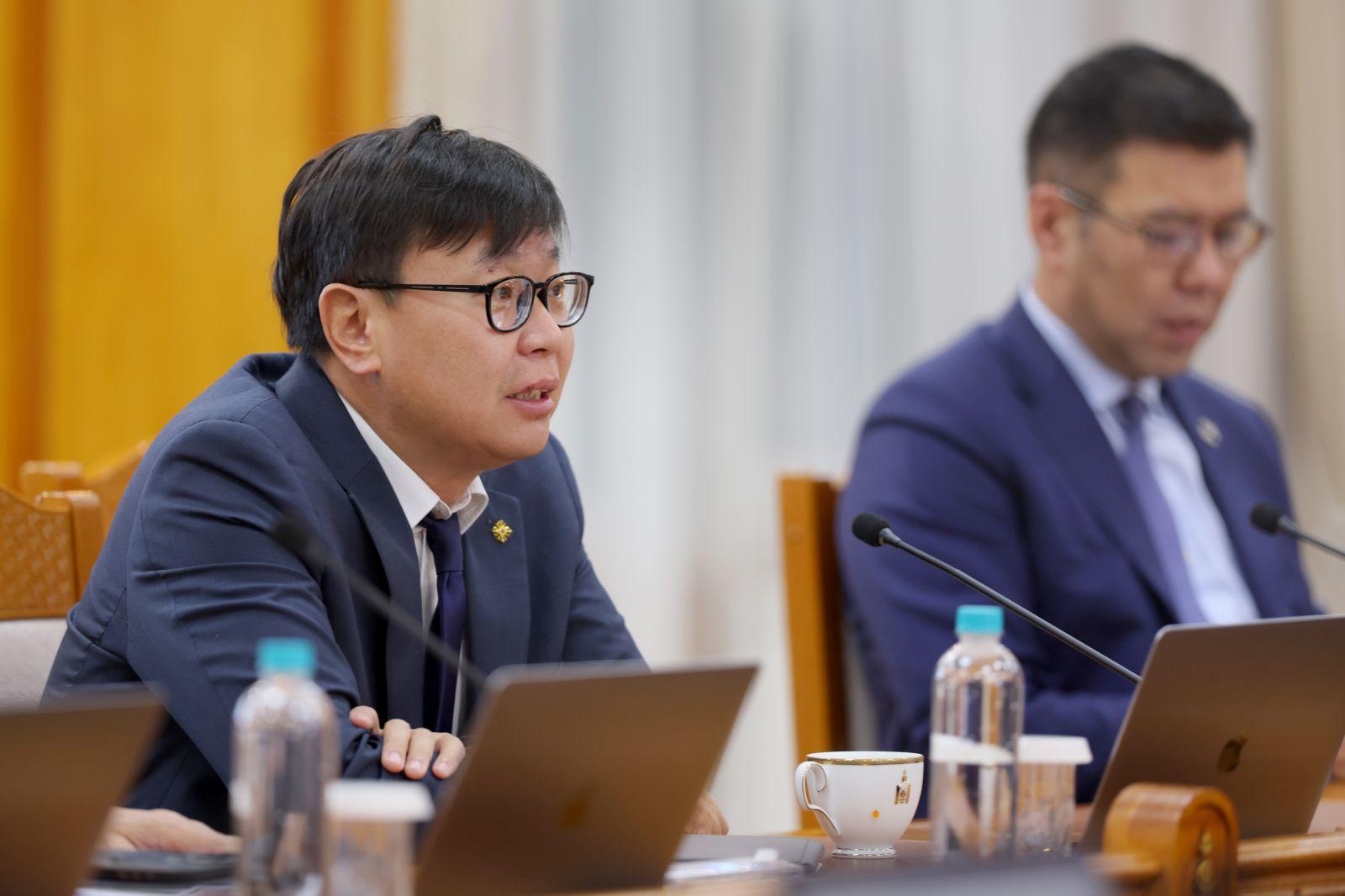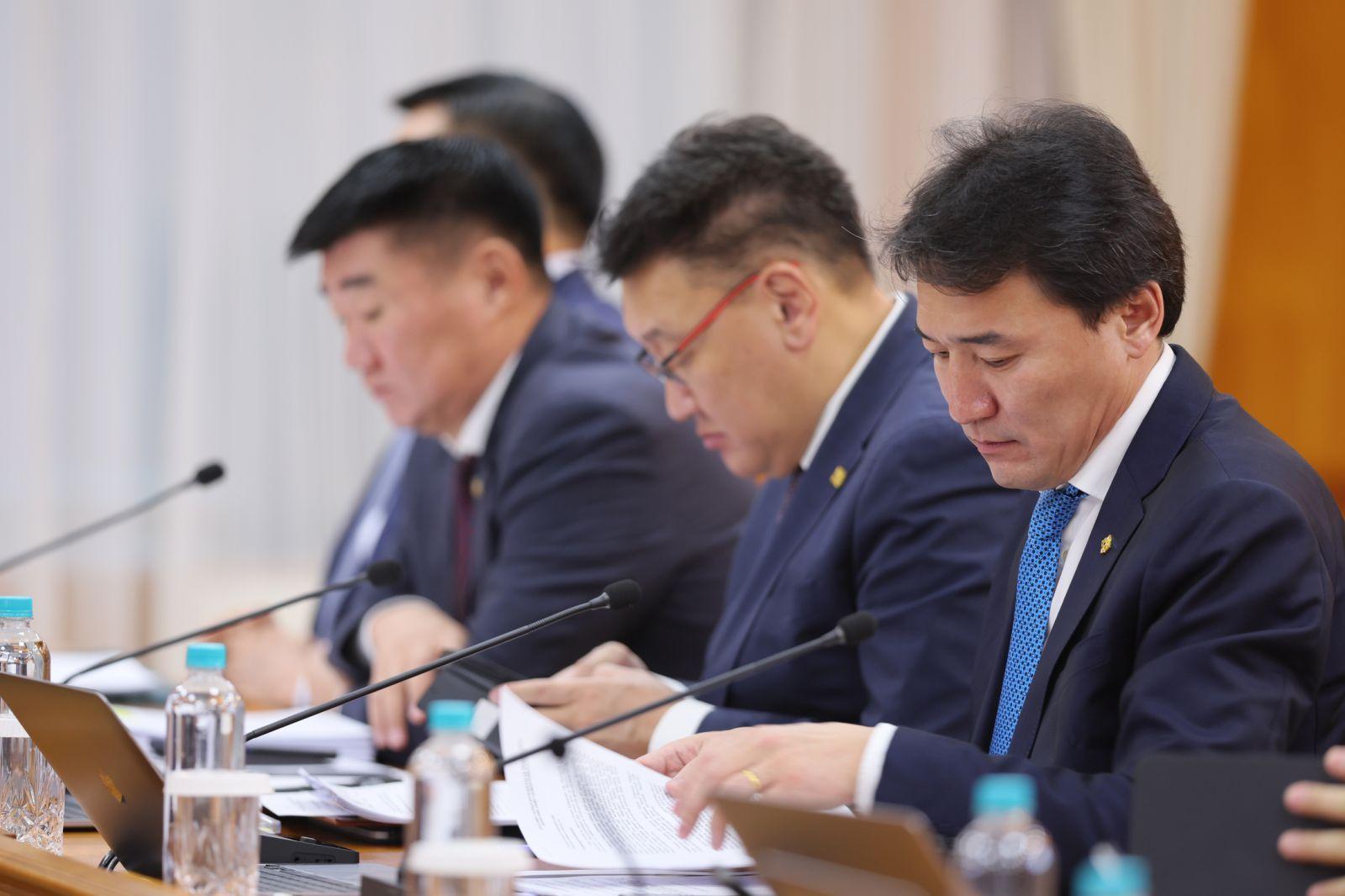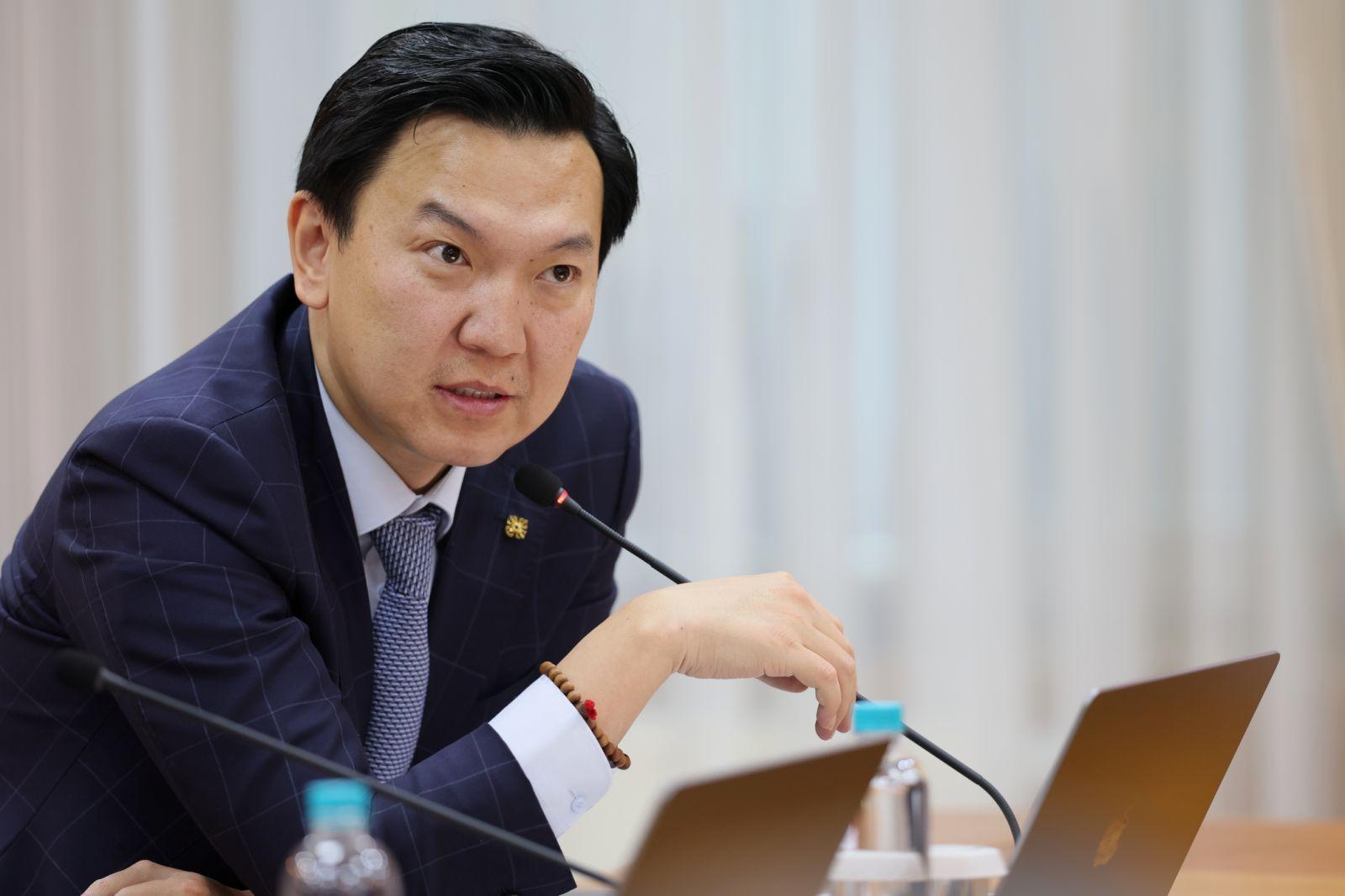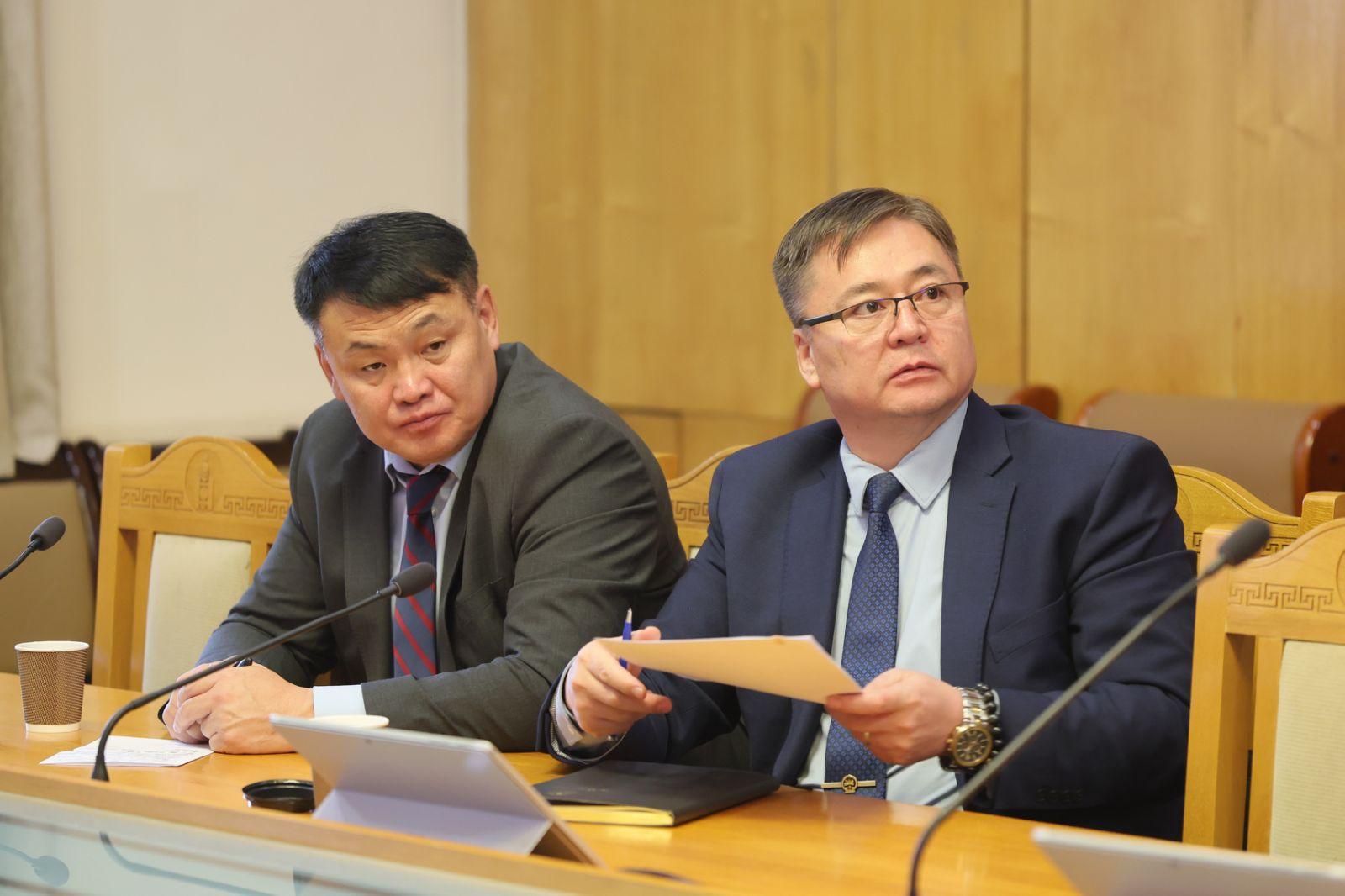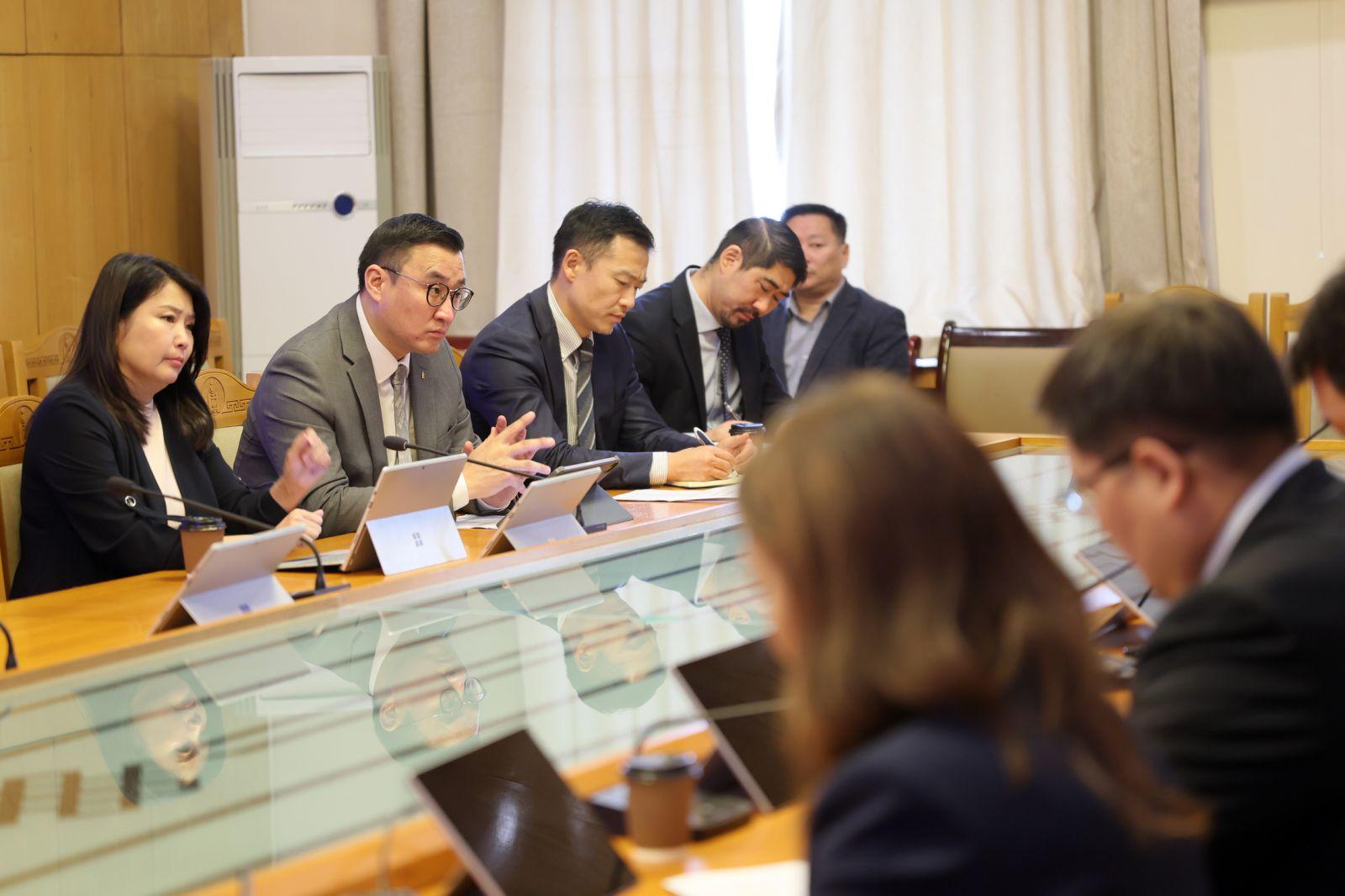
On August 28, Prime Minister G.Zandanshatar met with mining sector representatives to discuss the government’s decision to revise the methodology for calculating royalties.
Under the new approach, royalties are calculated based on trading prices at the Mongolian Stock Exchange instead of international benchmark prices. The change aims to ease financial pressure on companies, which had previously faced higher fees than their actual sales value when global prices fell.

D.Enkhbat, Director of Energy Resources LLC, welcomed the shift to a more accurate royalty system but asked the government to extend the implementation period. Currently, the new calculation method is scheduled to remain in effect only until the end of the year.
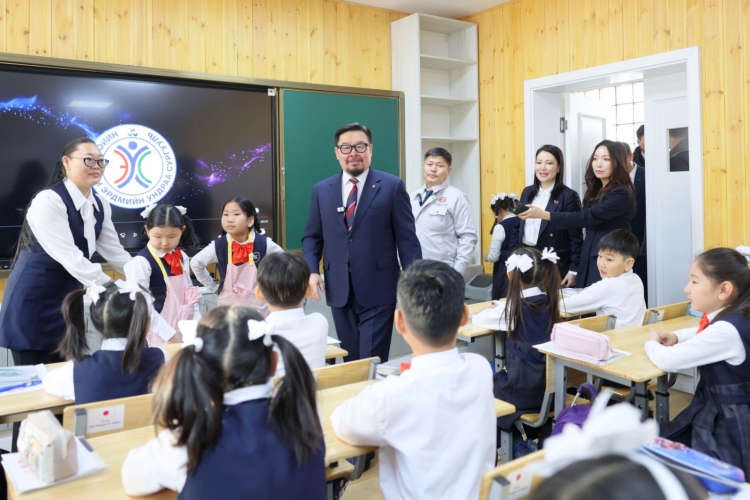
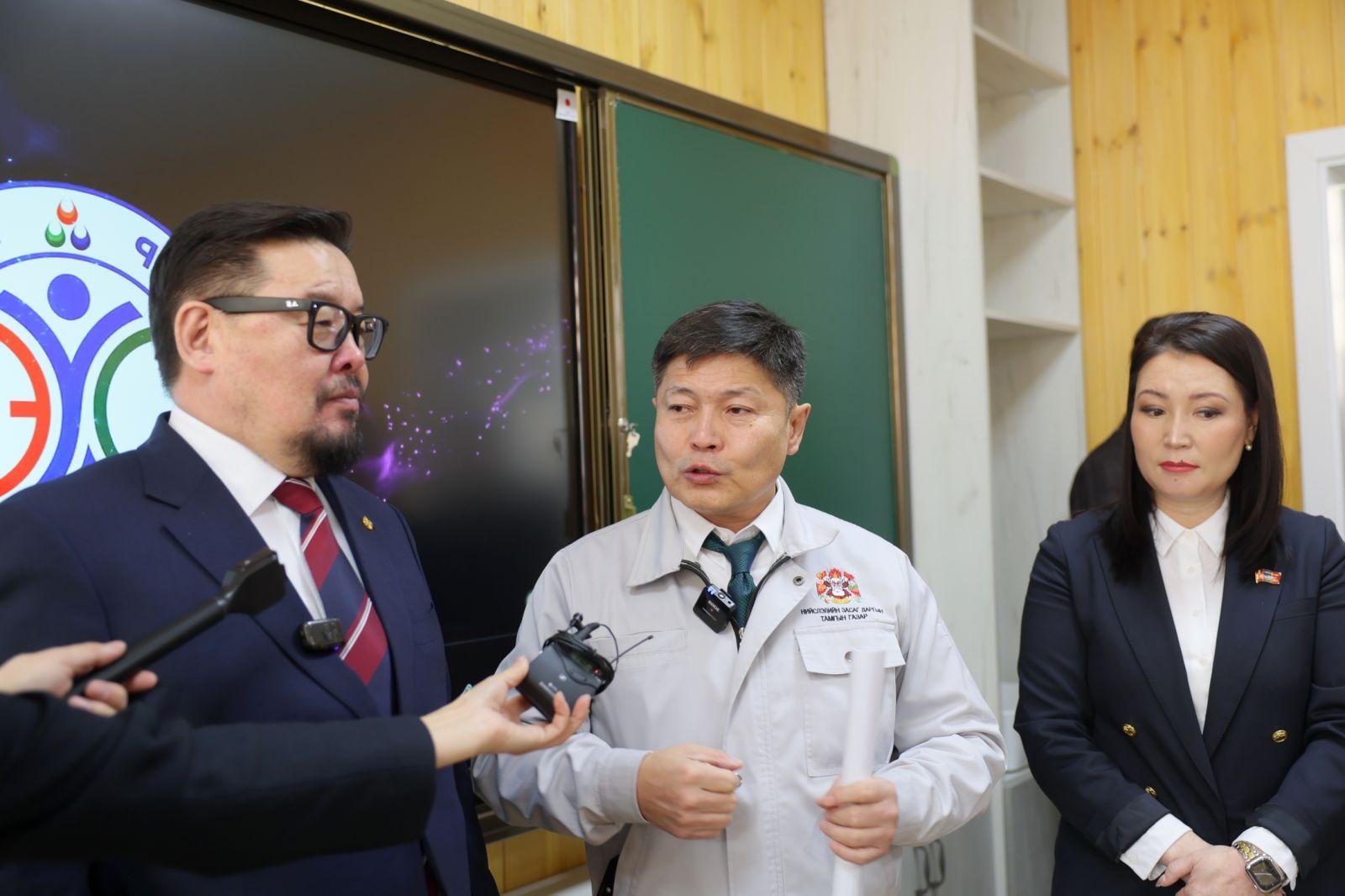
On August 29, Prime Minister G.Zandanshatar met with representatives of the Federation of Mongolian Education and Science Unions to discuss teacher welfare and challenges in the education sector.
The Prime Minister noted that education spending in 2025 amounts to MNT 3.8 trillion, with 70 percent allocated to salaries. While a performance-based pay system has increased average wages since 2022, salaries for young teachers remain low, averaging MNT 1.48 million. Trade union representatives urged the government to raise base pay, support teacher development, address social issues, and resolve housing challenges. They also highlighted severe overcrowding in schools, with some first-grade classes accommodating up to 70 students.

In response, the Prime Minister pledged to develop a three-year teacher development plan, expand the affordable housing program, and create a special program to support teachers. He instructed the Ministry of Education and city authorities to urgently address school overcrowding and calculate additional pay for teachers based on class size.
G.Zandanshatar stressed the importance of digitizing education and advancing the “From Teaching to Learning” system, which will also influence salary structures. Declaring 2026 as the Year of Education, the government aims to improve teacher salaries, strengthen social security, and ensure stable working conditions as part of its human development priority.

Prime Minister G.Zandanshatar has instructed the Mineral Resources and Petroleum Authority to revoke the exploration license of Tugrug Nuur Energy LLC, the holder of the Tugrugnuur coal deposit in Bayan soum, Tuv aimag, citing violations under Article 56.1.8 of the Minerals Law.
Although the company completed a feasibility study and defined production capacity, it failed to submit the required applications and sign agreements within the legal timeframe. The Prime Minister also tasked Industry and Mineral Resources Minister G.Damdinnyam with preparing a proposal to designate Tugrugnuur as a strategically important deposit and submit it to the Cabinet by September 2025.
The Tugrugnuur deposit, spanning 20–30 square kilometers, is considered one of Mongolia’s largest coal reserves, with studies estimating up to 3 billion tons of lignite. The site was initially explored between 1951 and 1986 using state funds. The Independent Authority Against Corruption is investigating allegations that a former Member of Parliament abused his position to obtain the license before selling the company to a foreign-invested entity for profit, possibly involving money laundering.
Prime Minister G.Zandanshatar stressed the deposit’s national importance as a funding source for the Future Heritage Fund and National Sovereign Wealth Fund. He called for transferring revoked licenses to national enterprises, expediting development, and ensuring the deposit’s benefits are directed toward public wealth.


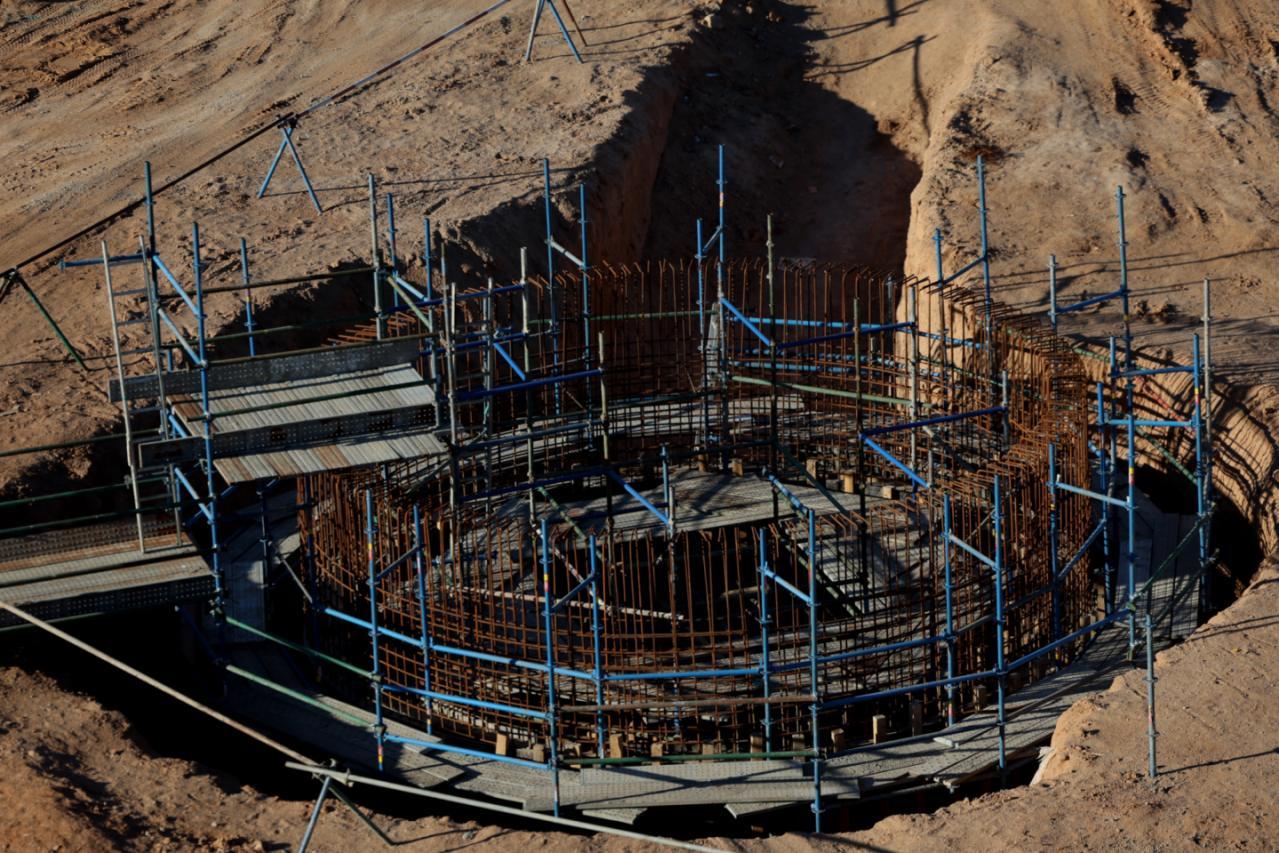
Construction of the 102.5-kilometer Bagakhangai–Khushig Valley branch railway began on April 25 in Khushig Valley. Prime Minister of Mongolia Luvsannamsrain Oyun-Erdene inspected the railway route, marking the formal commencement of construction.
Wishing success to the project implementers, the Prime Minister stated, “Construction activities scheduled for this spring are progressing as planned, and major projects initiated by the Government and the capital city are being launched in phases. One such project is the Bagakhangai–Khushig Valley railway, the construction of which officially begins today.”
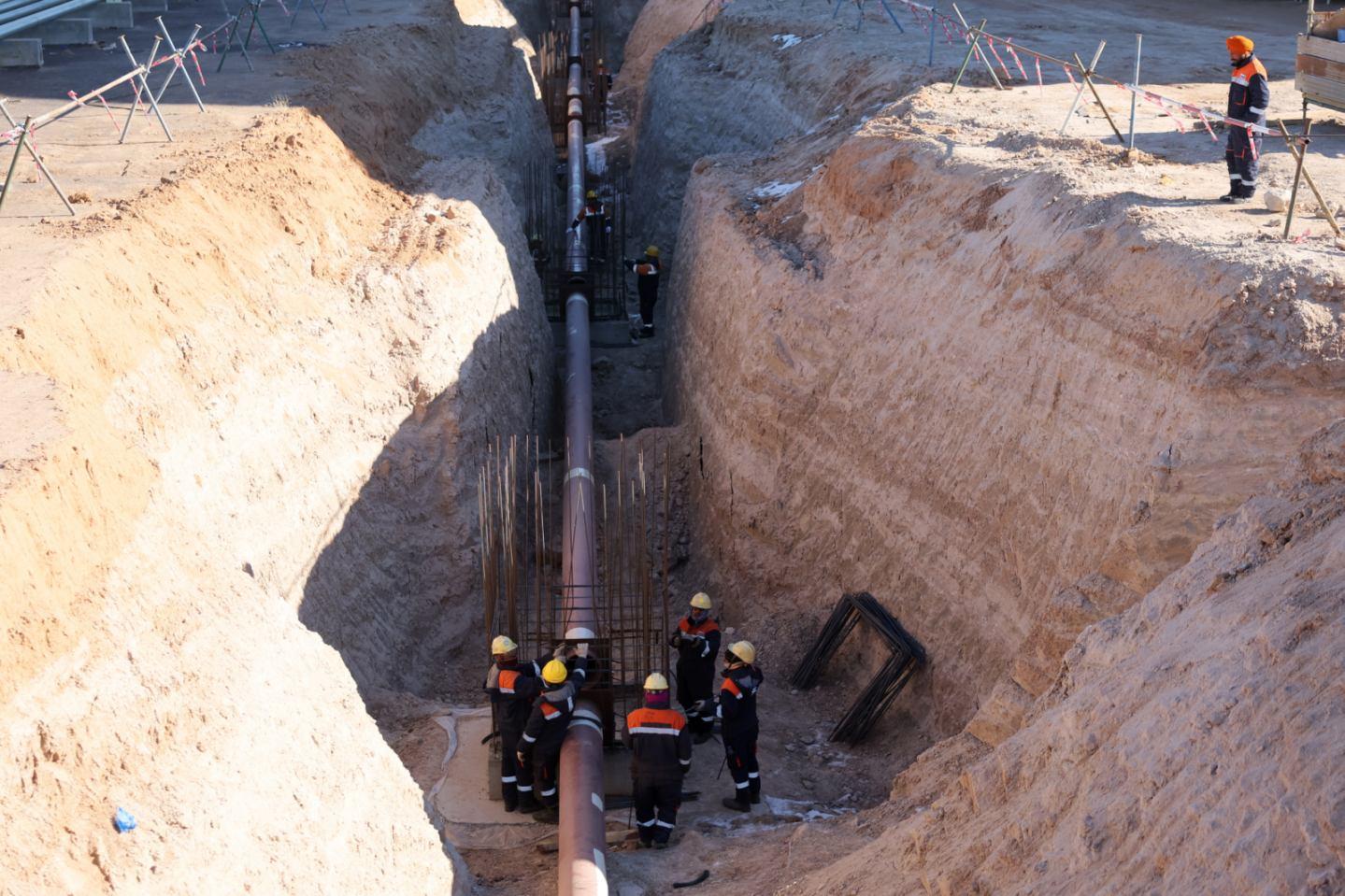
In line with the government’s declaration of 2025 as the “Year of Supporting Capital Infrastructure,” major initiatives are underway to ease road congestion, reduce air pollution, establish satellite cities, and address energy shortages. The construction of this railway is a key component of these efforts.

The railway will span a total length of 102.5 kilometers, feature a 1520 mm gauge, include three stations, four crossings, and a 2.5-kilometer-long bridge structure. It is notable for being the first branch railway ever constructed in Mongolia.
The Mongolian Railway State-Owned Company is responsible for the construction, ensuring adherence to international standards and quality requirements. The company will also oversee the railway’s future operations. Construction is scheduled to be completed and the railway put into operation by October.
More than 2,500 engineers and workers from around 110 domestic companies, supported by approximately 1,500 units of equipment and machinery, are engaged in the project.
Funding for the railway is sourced from state-owned, non-mining enterprises under Erchist Mongol LLC, with an anticipated investment recovery period of 15 years.
Once operational, the Bagakhangai–Khushig Valley railway will establish a critical connection between Ulaanbaatar and Khushig Valley, which is envisioned as a future transport and logistics hub. This development is expected to lay the foundation for the development of Hunnu City and the Transport Logistics Center in Khushig Valley.


Highlights from the Cabinet Meeting on April 23
Construction of the Gashuunsukhait–Gantsmod Cross-Border Railway Scheduled to Commence on May 14
Minister of Road and Transport Development B. Delgersaikhan presented updates on the progress of the Gashuunsukhait-Gantsmod cross-border railway construction during the Cabinet meeting. Following the presentation, Prime Minister Luvsannamsrain Oyun-Erdene instructed relevant authorities to begin construction by May 14, 2025, and to develop a comprehensive implementation plan.
The Prime Minister also emphasized the importance of ensuring smooth passage for necessary equipment, construction materials, and daily supplies across the border. He stressed the need for close coordination with Chinese counterparts to facilitate efficient project execution.
The Government’s 2024–2028 Action Program outlines the implementation of 14 major projects across four key policy areas. Among these initiatives is the construction of cross-border railways and cargo transshipment terminals at the Gashuunsukhait–Gantsmod, Khangi–Mandal, and Shiveekhuren–Sekhe border crossings. These projects are expected to boost Mongolia’s total export capacity while enhancing passenger and freight transport capabilities.
Additionally, the project will stimulate trade, economic growth, and regional cooperation, particularly in the mineral resources, industrial, and infrastructure sectors between Mongolia and China. It will also pave the way for further railway connections at the Shiveekhuren–Sekhe, Khangi–Mandal, and Bichigt–Zuunkhatavch ports. By 2030, Mongolia’s border crossing capacity is projected to increase by 80 million tons, underscoring the project’s strategic significance.
Relevant Authorities Instructed to Take Measures in Response to Measles Outbreak
During the meeting, the Cabinet instructed Minister of Health T. Munkhsaikhan to ensure preparedness for the ongoing measles outbreak by securing necessary medicines, medical equipment, diagnostic tools, and vaccines. The Minister was also tasked with strengthening human resource readiness and developing a comprehensive immunization policy.
Minister of Education P. Naranbayar and Minister of Labor and Social Protection L. Enkh-Amgalan were directed to monitor vaccination coverage among children in schools and kindergartens in cooperation with health organizations, while improving hygiene conditions in educational institutions.
Additionally, relevant officials were instructed to identify necessary funding for measles surveillance, vaccination efforts, and outbreak response measures. This includes providing support to healthcare institutions at all levels and increasing national immunization coverage.
Four Agencies Under Capital City Administration Dissolved
To eliminate duplication of state functions, reduce administrative hierarchy, and improve budget efficiency, the Cabinet decided to dissolve the following four agencies under the Governor of the Capital City:
– Department of Youth Development
– State Registration Department of the Capital City
– Department of Child, Family Development and Protection
– Department of Labor and Welfare
Additional Funding to Be Raised for Cashmere Purchases; Promissory Notes to Be Issued
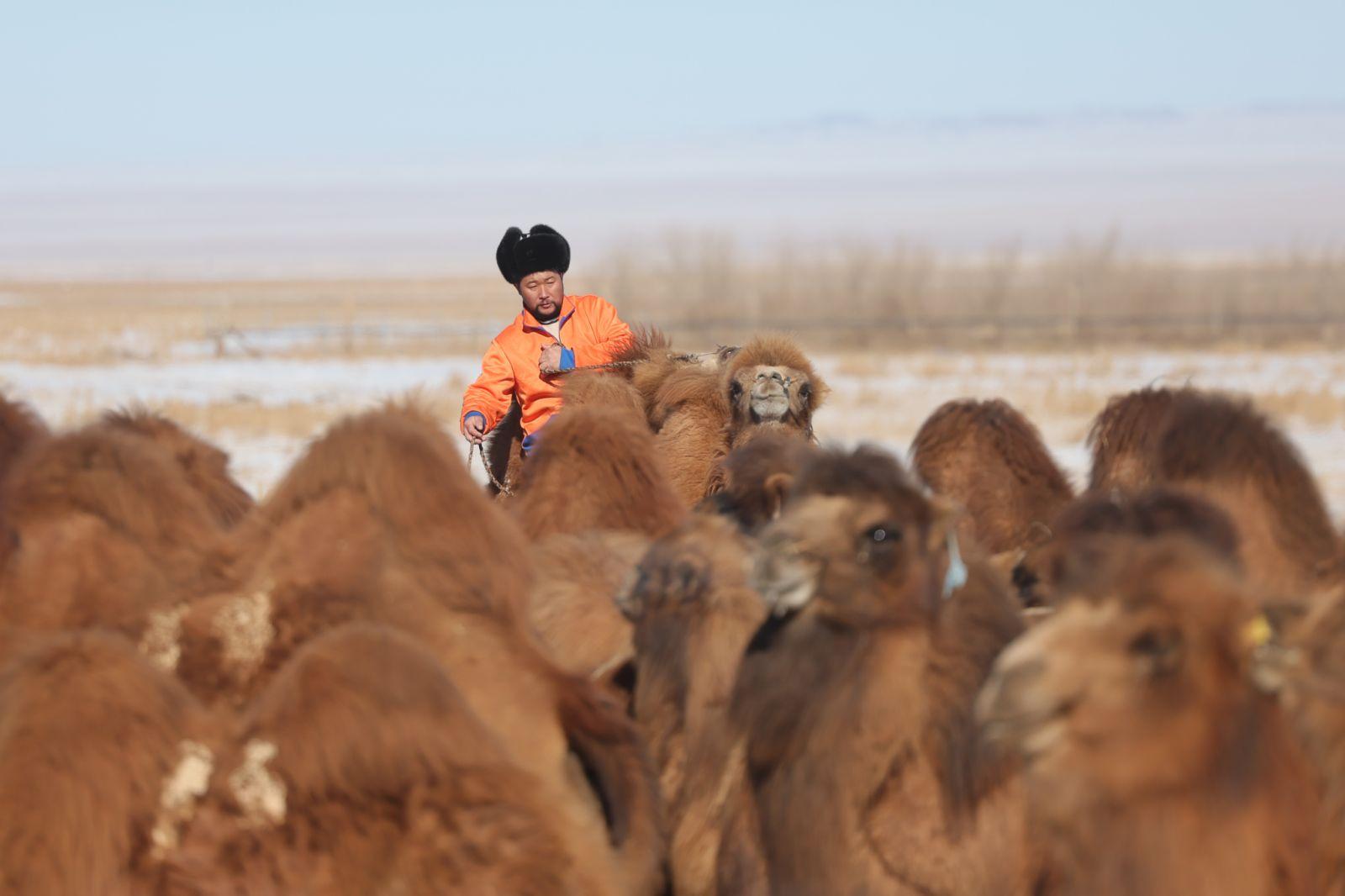
In an effort to stabilize herders’ incomes and boost domestic production, the government has decided to issue promissory notes to secure additional funding for nationwide cashmere purchases by domestic producers in 2025.
Under the framework of the “White Gold” initiative, led by the President of Mongolia, over 30 companies have received loans totaling MNT 230 billion for cashmere purchases in 2025. To date, 1,977 tons of cashmere have been acquired from herders. Domestic processing plants plan to export 3,500 tons of combed cashmere this year, produce 2.5 million finished products, and increase sales revenue by MNT 600–700 billion, bringing the sector’s total revenue to approximately MNT 1.8 trillion.
To maintain steady production operations and safeguard herders’ cash incomes, it is necessary to purchase 5,600 tons of cashmere. The issuance of promissory notes is expected to address this need, ensuring continuous production and protecting the industry’s competitiveness in the global market.
The government aims to further develop Mongolia’s wool and cashmere industry by increasing processing capacity, promoting value-added production, and boosting export revenues through the full domestic processing of non-mining exports.
The fourth session of the Economic Development Board, chaired by the Prime Minister of Mongolia, was held on April 21.
During the session, the Board reviewed draft amendments to the Law on Energy and the Law on Renewable Energy, as well as detailed legislative proposals from the private sector.
First Deputy Prime Minister L. Gantumur briefed board members on the current global economic situation and the risks facing Mongolia.

The World Uncertainty Index has reached its second-highest level in history. In 2020, the index hit 56 due to the pandemic. This time, it has reached 53, driven by U.S. elections and geopolitical tensions. According to the Asian Development Bank, as a result of ongoing trade conflicts, global economic growth is projected to contract by 0.4 percent in 2025 and 0.7 percent in 2026. China’s economic growth is also forecast to shrink by 0.4 percent in 2025 and 0.9 percent in 2026.
This global situation is negatively affecting Mongolia, whose state budget depends heavily on revenues from mining exports. In response, the First Deputy Prime Minister highlighted the urgency of adopting several key measures. These include the passage of draft amendments to the Law on the Mining Products Exchange, the implementation of the “Gold” program, the transformation of the Development Bank into an Exim Bank, and amendments to the Law on Public-Private Partnership.
He also emphasized the potential of the interim trade agreement between Mongolia and the Eurasian Economic Union and its member states, stating it presents an opportunity to expand Mongolia’s market access.
Despite current challenges, Mongolia’s coal export volume remains stable compared to last year, although export revenue is down by USD 1 billion and coal prices have fallen by 38 percent. Meanwhile, copper concentrate prices have risen by 19 percent, with exports up by 26 percent. The country’s foreign exchange reserves stand at USD 5 billion.
The meeting further addressed the proposed amendments to the Law on Energy and Renewable Energy. The Mongolian National Chamber of Commerce and Industry, along with the Mongolian Business Council and its member organizations, submitted over 270 proposals regarding the draft legislation. Out of these, 12 proposals and solutions were adopted. As Mongolia’s Energy Policy was last approved in 2001, the Board acknowledged the need for an updated policy framework.

Concluding the meeting, the Prime Minister remarked that the current geopolitical climate, coupled with abrupt tariff shifts and global crises, poses serious challenges to both short- and long-term economic strategies. He underlined the importance of preparedness and the vital role of private sector engagement. “In future sessions of the Economic Development Board, we will hear updates on major private-sector-led projects that contribute to social and economic progress. The Government, in turn, will develop mechanisms to provide appropriate support for these initiatives,” he stated.