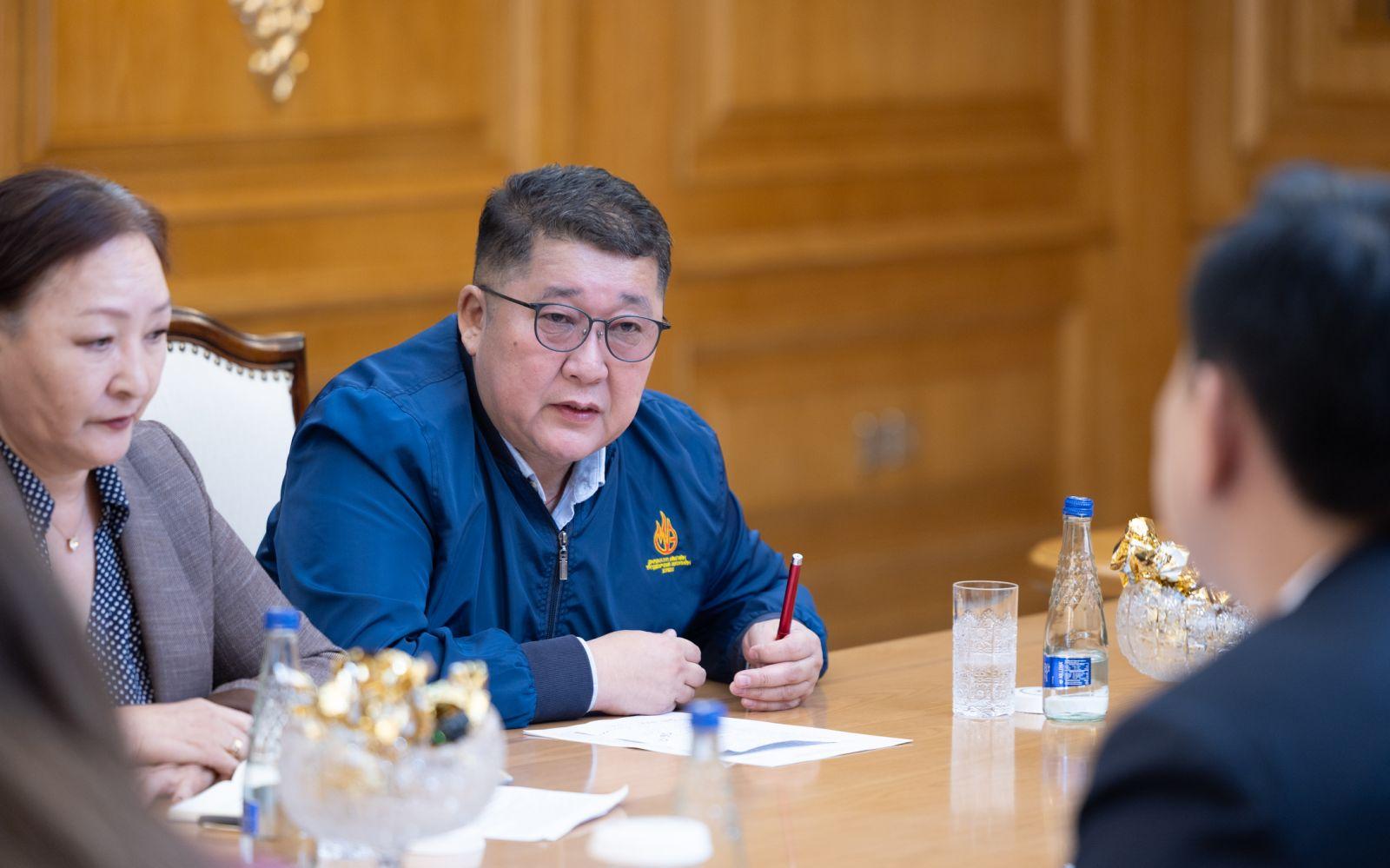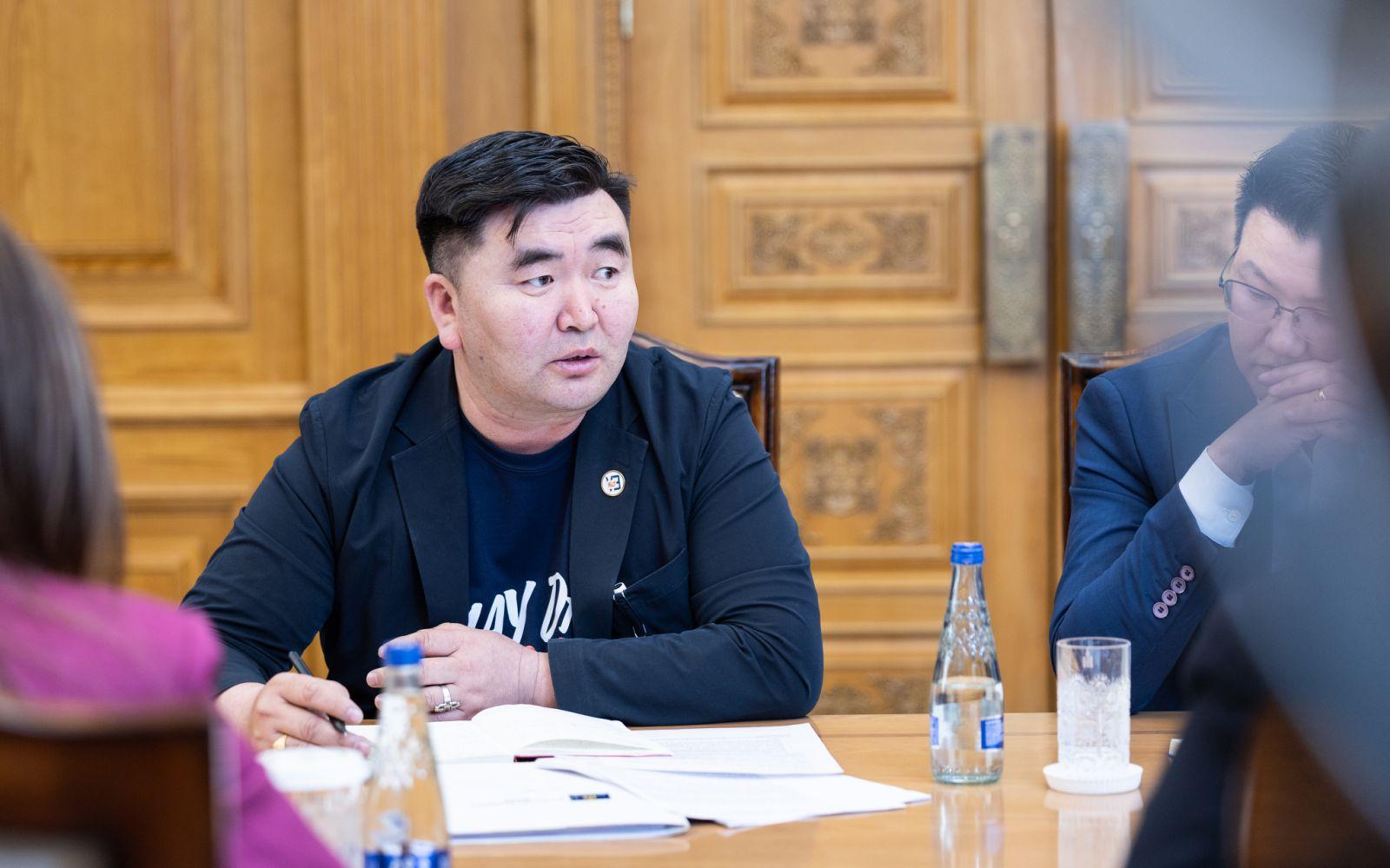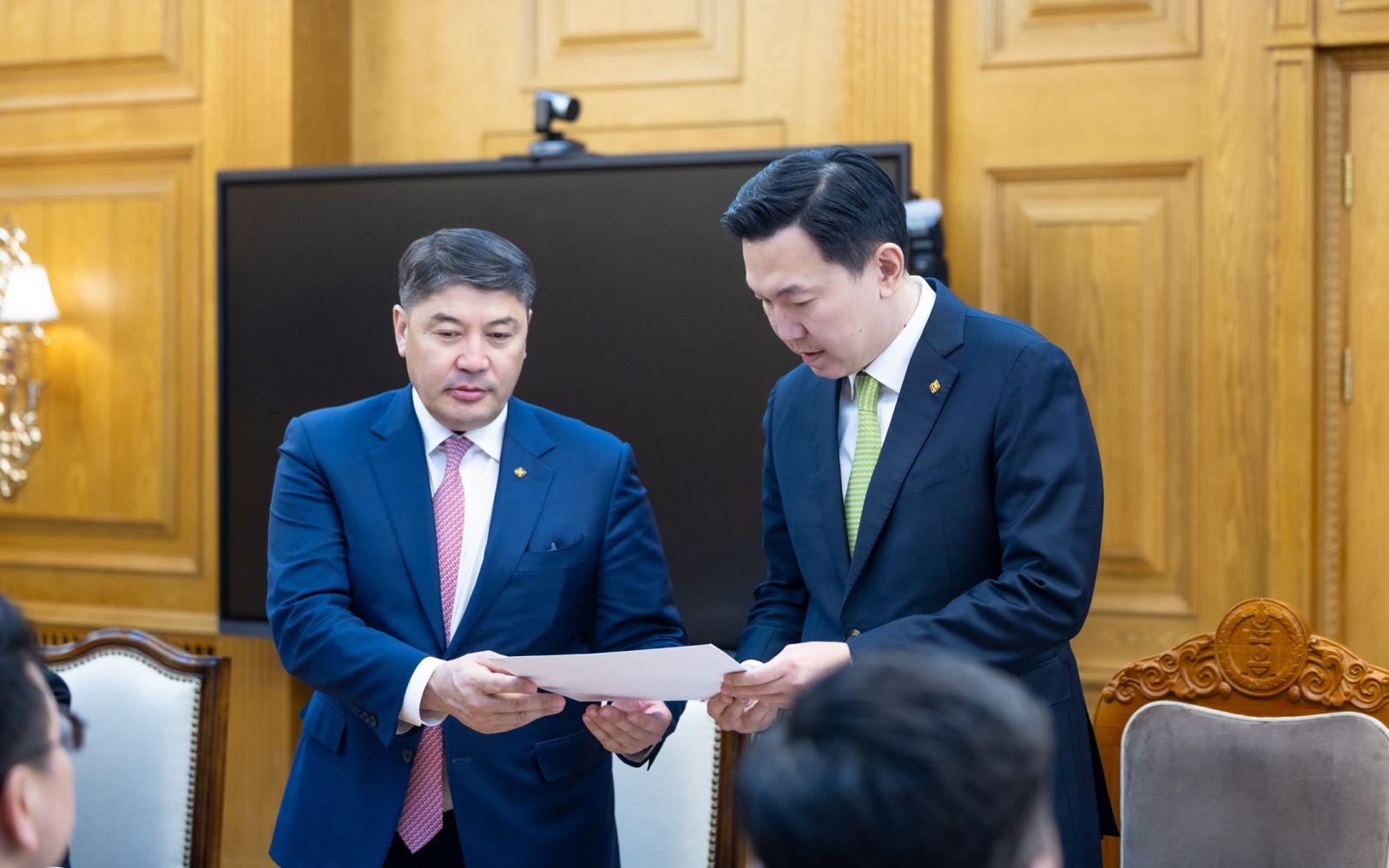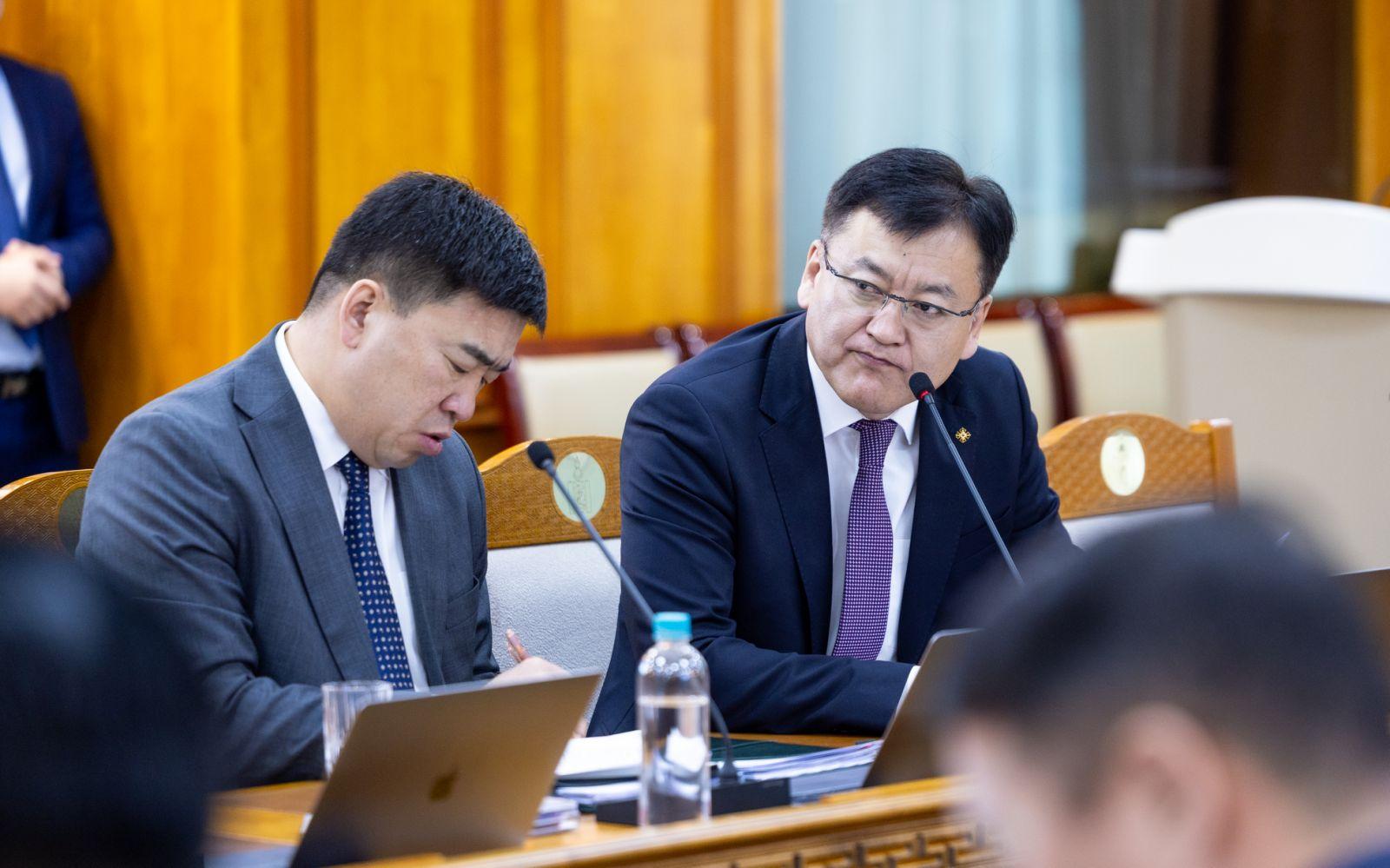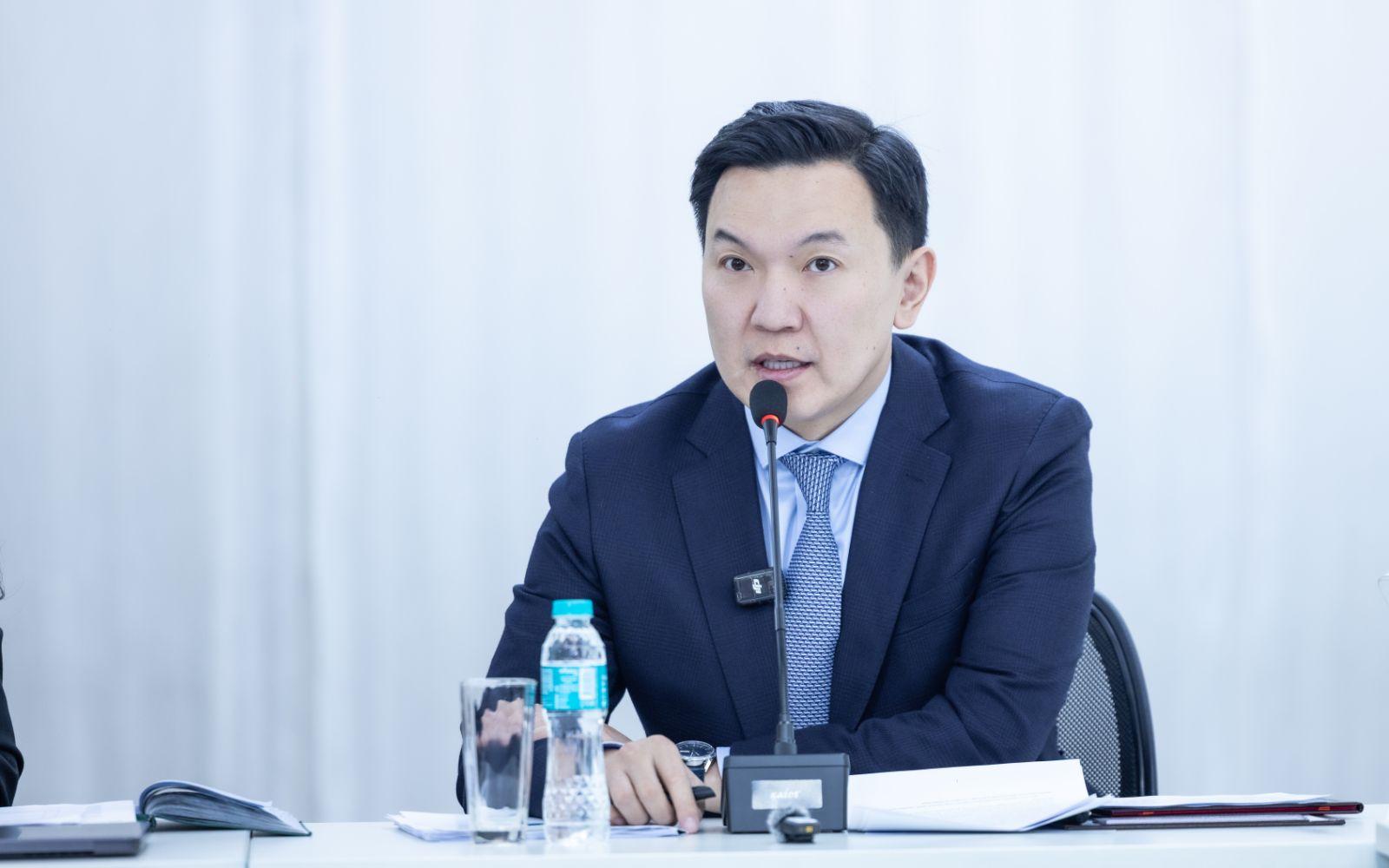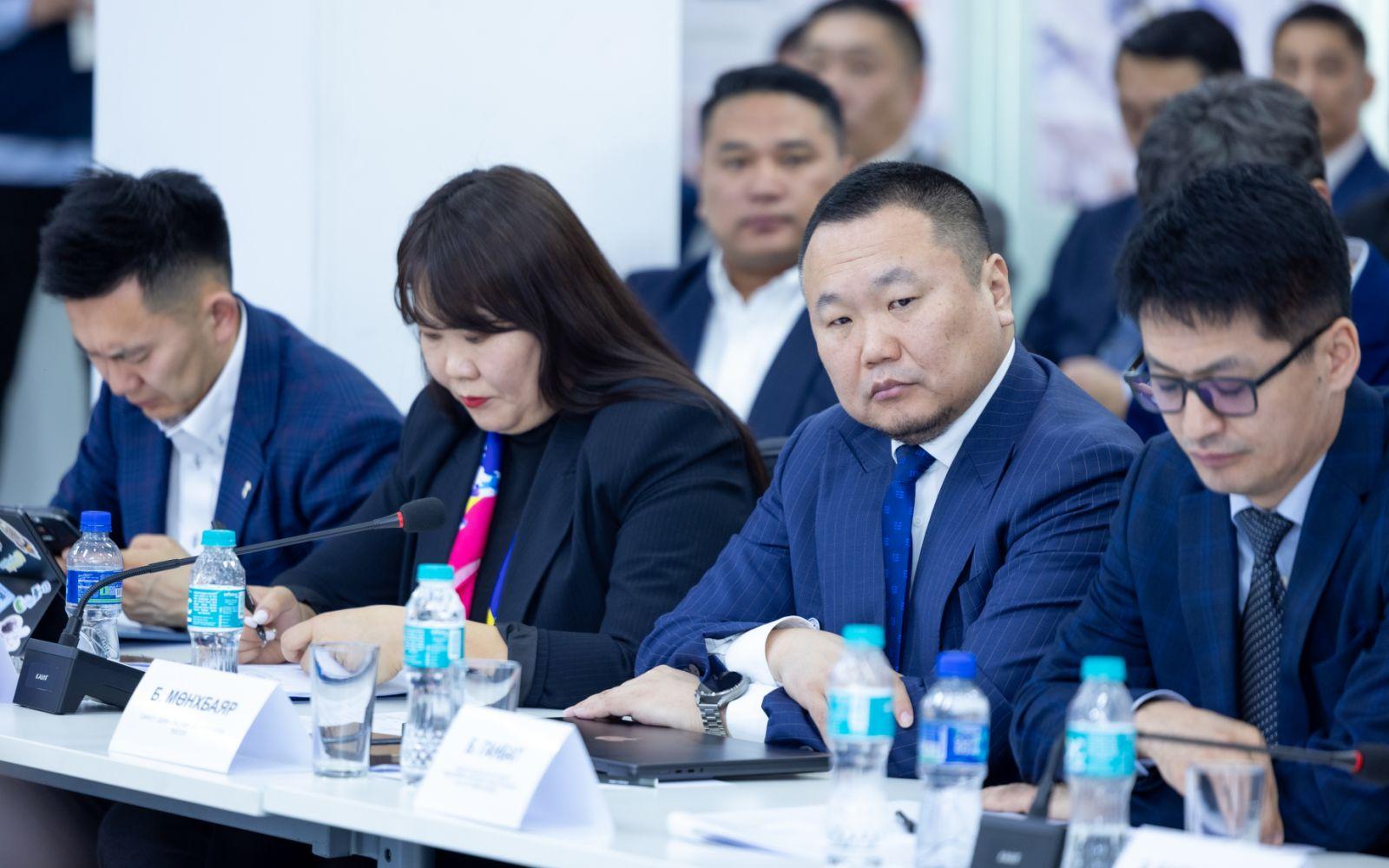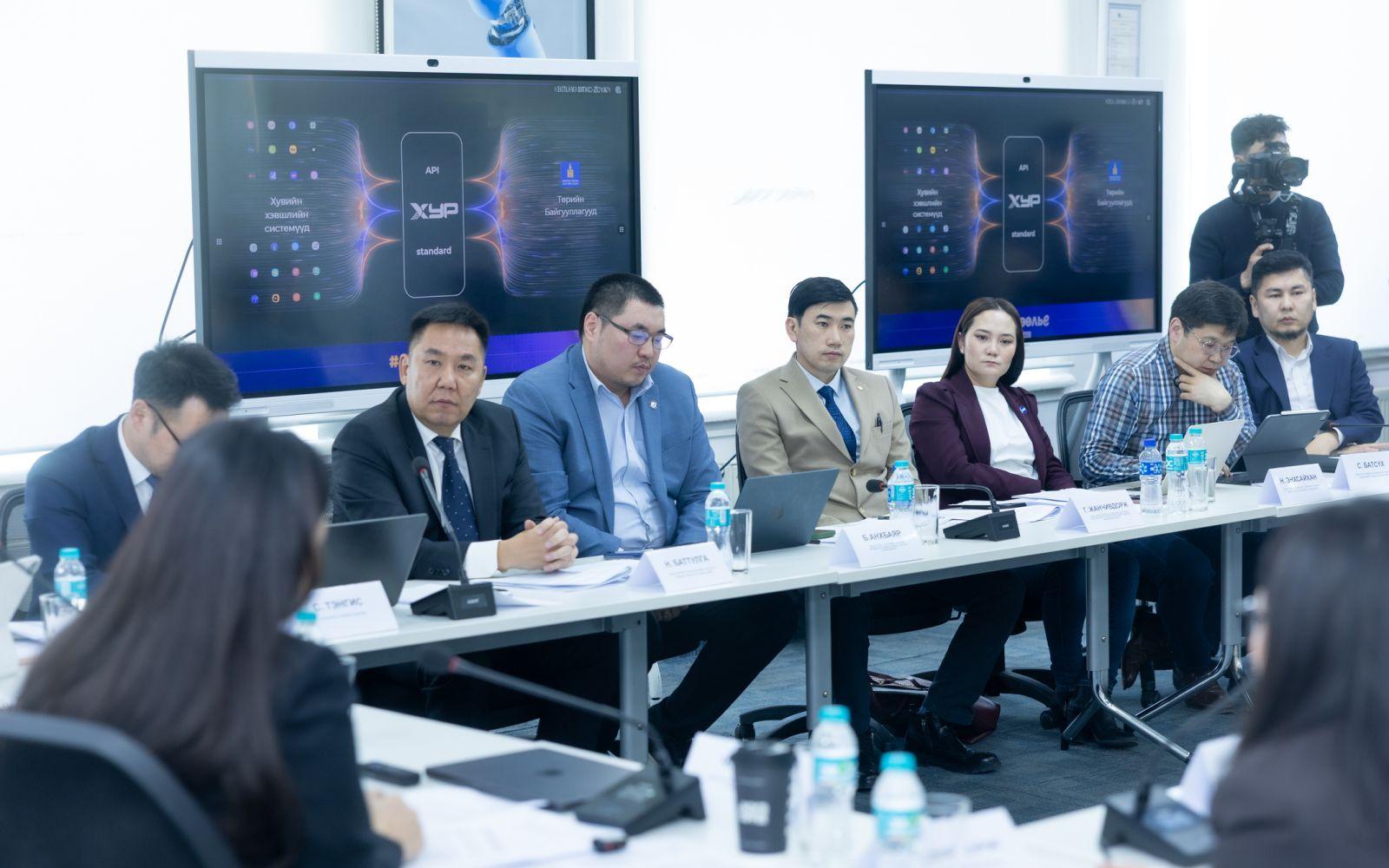
Prime Minister of Mongolia G. Zandanshatar visited Urguu Maternity Hospital, one of the country’s oldest maternity facilities with a 98-year history, on March 8.

During the visit, the Prime Minister expressed his sincere appreciation to doctors, nurses and medical staff who work to safeguard the health of mothers and newborns.

“The Government has made human development a top priority. In line with this policy, investment in the healthcare sector has increased fivefold in the 2026 state budget. We are also implementing clear targets to reduce maternal and infant mortality under Mongolia’s five-year socio-economic development plan,” the Prime Minister said.

Urguu Maternity Hospital serves mothers mainly from Ulaanbaatar’s Bayanzurkh, Khan-Uul and Chingeltei districts, with between 15 and 35 births recorded daily. Established in 1928, about 90 percent of the hospital’s staff are women.

According to hospital officials, the number of births at the facility has declined in recent years, falling from around 16,000 annually in the past to 5,400 in 2025. The decline is linked to demographic and socio-economic factors, as well as the increasing average age of mothers, which rose from 24 in 1995 to 27 in 2024.

During the visit, the Prime Minister approved funding for the purchase of a modern ultrasound machine following a request from the hospital’s management.

Prime Minister G. Zandanshatar also extended International Women’s Day greetings and wished good health to mothers and newborns receiving care at the hospital.

Mongolia has climbed 20 places in the World Economic Forum’s Global Gender Gap Index, reflecting progress in gender equality, Prime Minister G. Zandanshatar said on March 6, 2026.

Speaking at the first 2026 meeting of the National Committee on Gender Equality, the Prime Minister said Mongolia moved from 85th place in 2024 to 65th in 2025. The country now ranks fifth in the East Asia and Pacific region.

Mongolia has also improved its standing in women’s representation in parliament. According to the Inter-Parliamentary Union, the country advanced by 30 places to rank 98th globally. The improvement follows gradual amendments to election legislation aimed at increasing women’s political participation. Thirty-two women currently serve in parliament.

Women account for 51% of Mongolia’s population but represent 62% of those outside the labor force. Women’s labor force participation rate remains 16.2 percentage points lower than that of men, while their average wages are about 19% lower.

The government is working with the private sector to launch a “Returnship” program designed to help mothers return to work after childcare leave and ensure job security during such leave, the Prime Minister said.

Committee members noted that gender policy should also address challenges faced by men. Men make up only 38% of undergraduate students, while 72% of students who have dropped out of school or are at risk of dropping out are male. Male participation is also declining in social service sectors such as healthcare and education.

S. Byambatsogt, chief of the Cabinet Secretariat and deputy chair of the committee, presented a report on population development policy and youth issues, including challenges faced by young herders and single young men.

The committee also approved its 2026 action plan, which includes more than 70 measures aimed at promoting equal economic opportunities, expanding participation, and strengthening Mongolia’s national system for ensuring gender equality.

Highlights from the Cabinet Meeting on March 4

Government to Declassify 894 Official Secrets

The Government of Mongolia will streamline the classification of official information and declassify hundreds of documents currently labeled confidential.

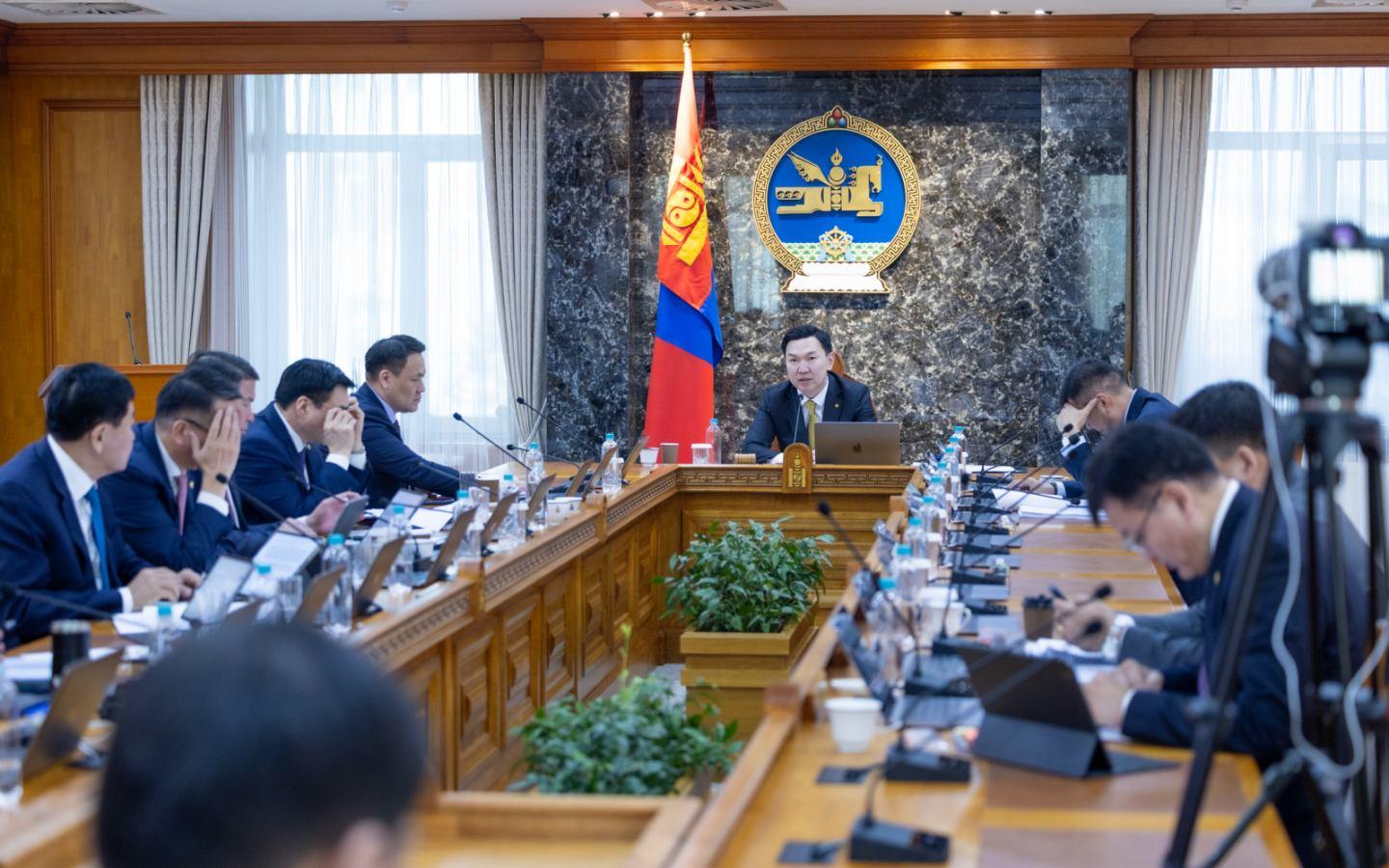
At its meeting, the Cabinet agreed to submit to the State Great Hural a revised draft of the Law on State Secrets, along with legislation approving the list of state secrets and related amendments.

Under the proposal, the current Law on State and Official Secrets will be renamed the Law on State Secrets, narrowing its scope to matters related strictly to state secrets.

Deputy Minister of Justice and Home Affairs D. Munkh-Erdene said 894 items currently classified as official secrets will be made public once the law is adopted.

Officials noted that some institutions have improperly classified information, undermining transparency and restricting citizens’ right to information. The revised framework aims to ensure that all government information not related to state secrets remains open to the public.

Government Approves Air Services Agreement with Bulgaria

The Cabinet approved an Air Services Agreement between Mongolia and the Republic of Bulgaria.

The agreement will allow Mongolian airlines to expand operations to Bulgaria and the wider European market, strengthen links to international transport and logistics networks, and broaden flight routes.

Officials say the deal will increase passenger traffic, promote tourism, and strengthen bilateral relations, trade, and economic cooperation.

Cabinet Discusses Inheritance of Erdenes Tavantolgoi Shares

Chief of the Cabinet Secretariat S. Byambatsogt presented measures concerning Erdenes Tavantolgoi JSC.

Of the company’s 12 billion shares:

  • 8.8 billion (73.5%) are owned by the state through Erdenes Mongol LLC
  • 7 million (0.06%) are held by 488 national enterprises
  • 3.2 billion (26.4%) belong to about 3.4 million Mongolian citizens

The government is reviewing issues including share inheritance, restoring the one-time option for citizens to reclaim shares, and resolving the status of 124,000 citizens born after 2024.

Officials were instructed to prepare a draft decision on share inheritance and possible additional allocations for discussion at next week’s Cabinet meeting.

Government to Support 5,000 Households in Poverty Reduction Initiative

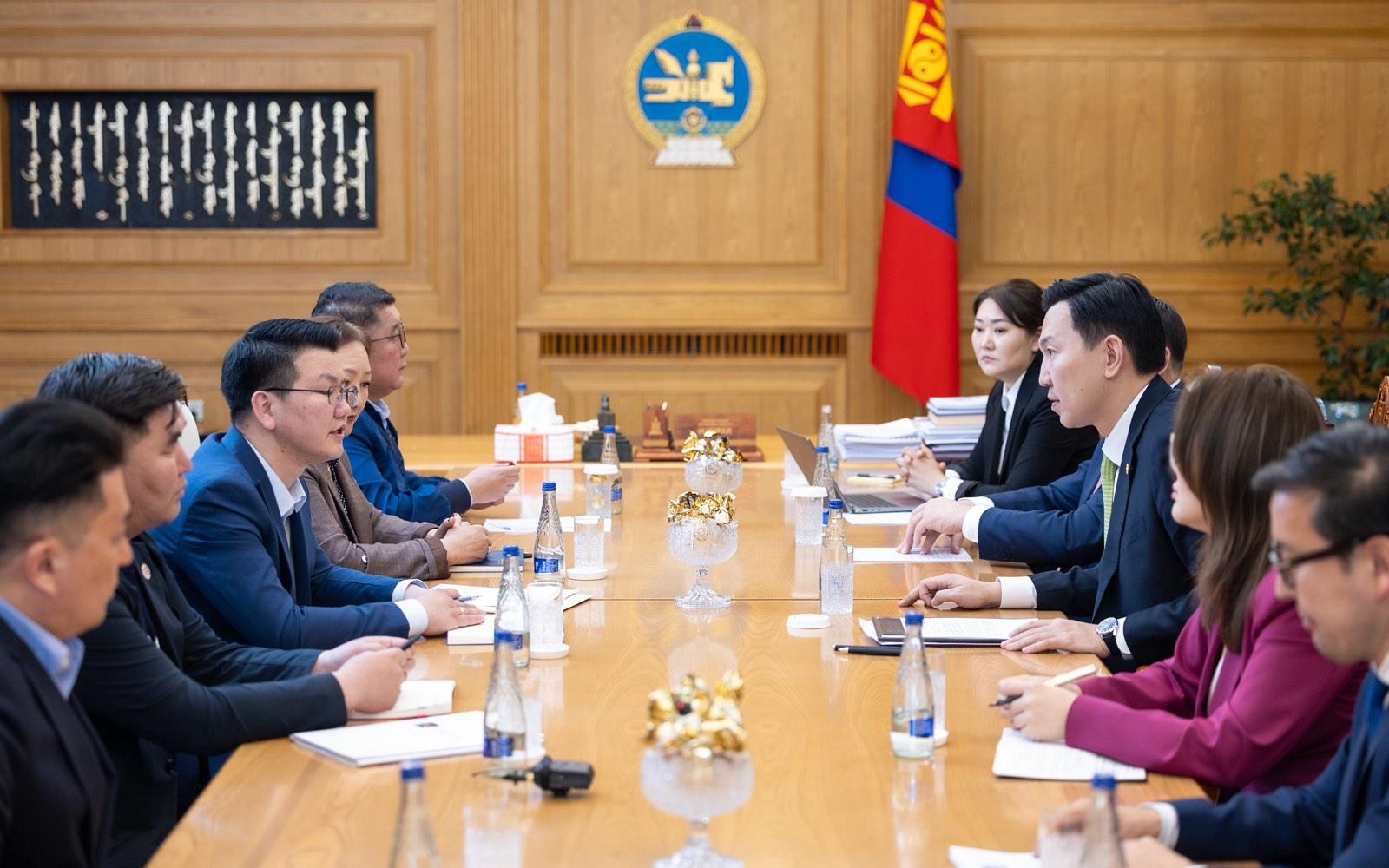
The Cabinet reviewed poverty-reduction measures under the “300-Day Plan to Deliver Economic Growth to Citizens.”

Minister of Family, Labor and Social Protection T. Aubakir introduced the “Supporting Household Employment and Lifting Families Out of Poverty” program.

The initiative will provide targeted employment and income-generation support to around 5,000 households in 2026, aiming to reduce unemployment, increase incomes, and connect families with essential social services.

The Prime Minister will issue a directive instructing local authorities nationwide to coordinate poverty-reduction and employment measures aligned with regional development policies.
Government Orders Faster Tendering for 2026 Budget Projects

Deputy Prime Minister T. Dorjkhand briefed Cabinet members on procurement for projects funded under the 2026 state budget.

Authorities were instructed to announce all tenders by March 15, 2026, and complete contractor selection by April 30.

The government will also monitor procurement progress regularly.

The 2026 state budget includes 296 investment projects and measures totaling 3.534 trillion MNT.

Mongolia Successfully Issues USD 500 Million Bond

Finance Minister B. Javkhlan announced that Mongolia has successfully issued a USD 500 million international bond.

The new “Century-5” bond, issued on March 3, 2026, has a six-year maturity and a 5.95% interest rate. Proceeds will refinance part of the Nomad bond due in 2026 and the Century-2 bond due in 2028.

Mongolia also repurchased USD 321.6 million of existing bonds, saving about USD 14.5 million (51.7 billion MNT) in interest payments.

Despite volatility in global markets following joint attacks by the United States and Israel on Iran, the bond issuance attracted strong demand, with USD 1.6 billion in orders – more than three times the issuance amount.

Officials said the successful offering reflects investor confidence in Mongolia’s macroeconomic outlook and debt management policies.

On March 3, Prime Minister G. Zandanshatar met with representatives of the cashmere industry and the banking sector to discuss policy measures aimed at expanding exports.

In 2025, Mongolia exported 4,000 tons of cashmere, generating USD 335 million in revenue, a 5.7-fold increase year-on-year. The agricultural sector accounted for 40 percent of the country’s 6.8 percent economic growth last year, with cashmere exports serving as a key driver.
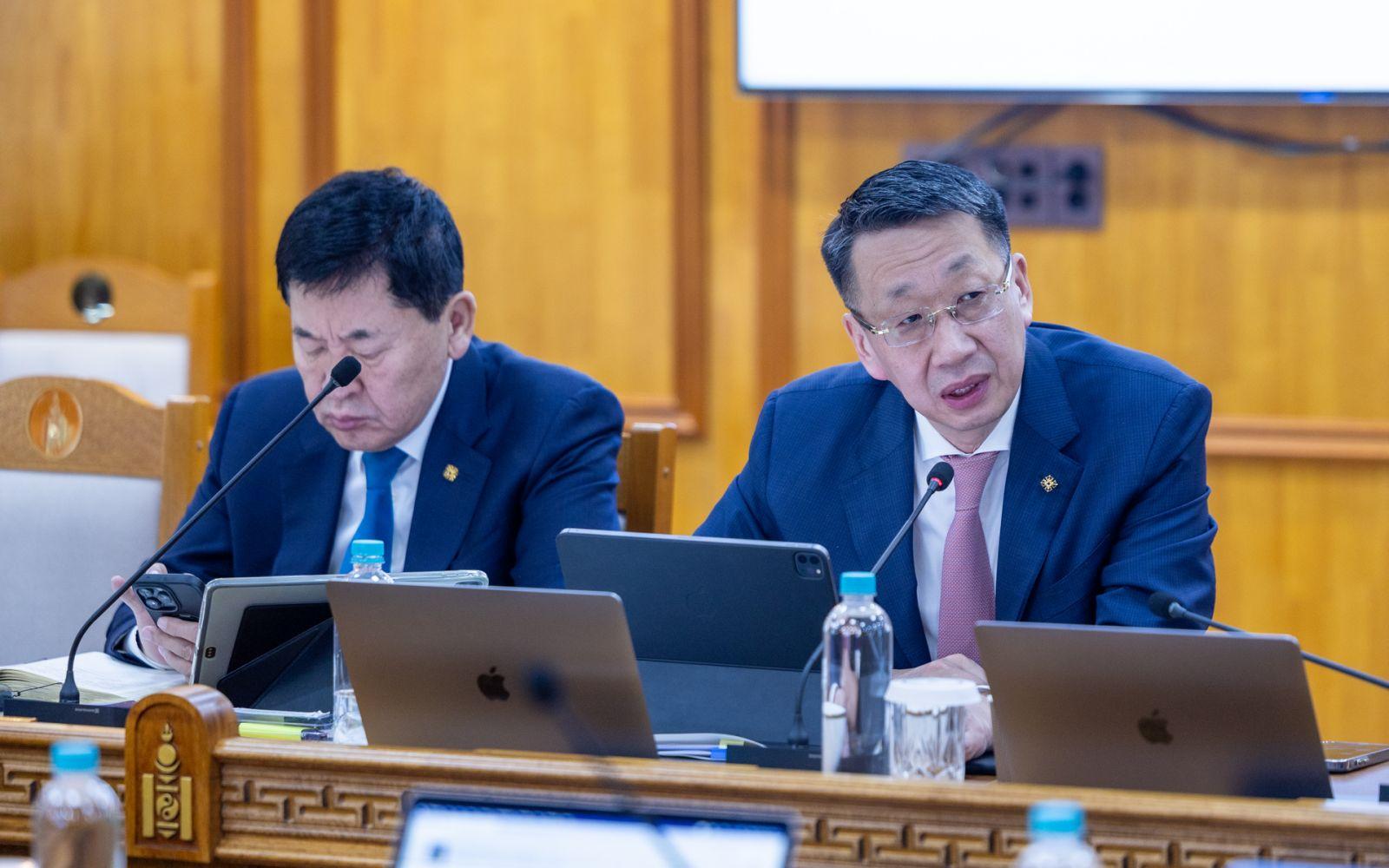
Industry representatives said that better access to finance and export incentives would support higher production and export growth.

The Prime Minister also held discussions with the Bank of Mongolia and commercial banks on making lending requirements more flexible. Commercial banks reaffirmed their commitment to supporting export-oriented businesses, noting that the non-performing loan ratio has declined to 4.6 percent, its lowest level in 15 years.

The Government prioritizes expanding employment opportunities for youth, women, and senior citizens. In parallel, the Ministry of Family, Labor and Social Protection is drafting amendments to the Law on the Promotion of Employment to modernize employment services, introduce case management approaches, develop a unified big data–based labor market information system, and strengthen public–private partnerships.

The initiative aims to enhance workforce participation, improve policy coordination, and ensure Mongolia’s readiness for the evolving global labor market.

On February 7, Prime Minister of Mongolia G.Zandanshatar attended the opening ceremony of the “Thousand Camels Festival” during his working visit to Umnugovi aimag and delivered an address.

In his speech, the Prime Minister stated that Mongolia’s camel population has reached half a million. According to the 2025 national livestock census, 501,300 camels were counted. He noted that the figure has doubled over the past twenty years, rising from 254,000, and emphasized that this growth is the result of herders’ sustained efforts and is closely linked to the Camel Festival.

The “Thousand Camels Festival,” now recognized as a key winter tourism event, was first organized in 1997 in Sevrei soum of Umnugovi aimag. At the time, the camel population had significantly declined, with just over 200,000 camels recorded nationwide until 2002. The festival was initiated as part of efforts to increase camel numbers and promote the winter Gobi as a tourism destination, a goal that organizers say has since been achieved.

This year’s festival has brought together camel herders from more than 60 soums across four aimags, participating with over 1,000 camels. According to organizers, approximately 8,000 spectators attended the event, including more than 200 international tourists.

Festival activities included camel races in four age categories, a camel parade, a fermented camel milk celebration, a photography exhibition, and competitions recognizing the best camel pair as well as outstanding breeding male and female camels. Additional events featured camel polo and mounted archery competitions.

Several camel-related records have been set during the history of the festival. In 2016, a world record was established with a race involving 1,108 camels. In 2024, a national honorary title recognizing distinguished camel trainers was introduced. This year, President U. Khurelsukh proclaimed January 24 as the annual “Mongol Camel Day.”

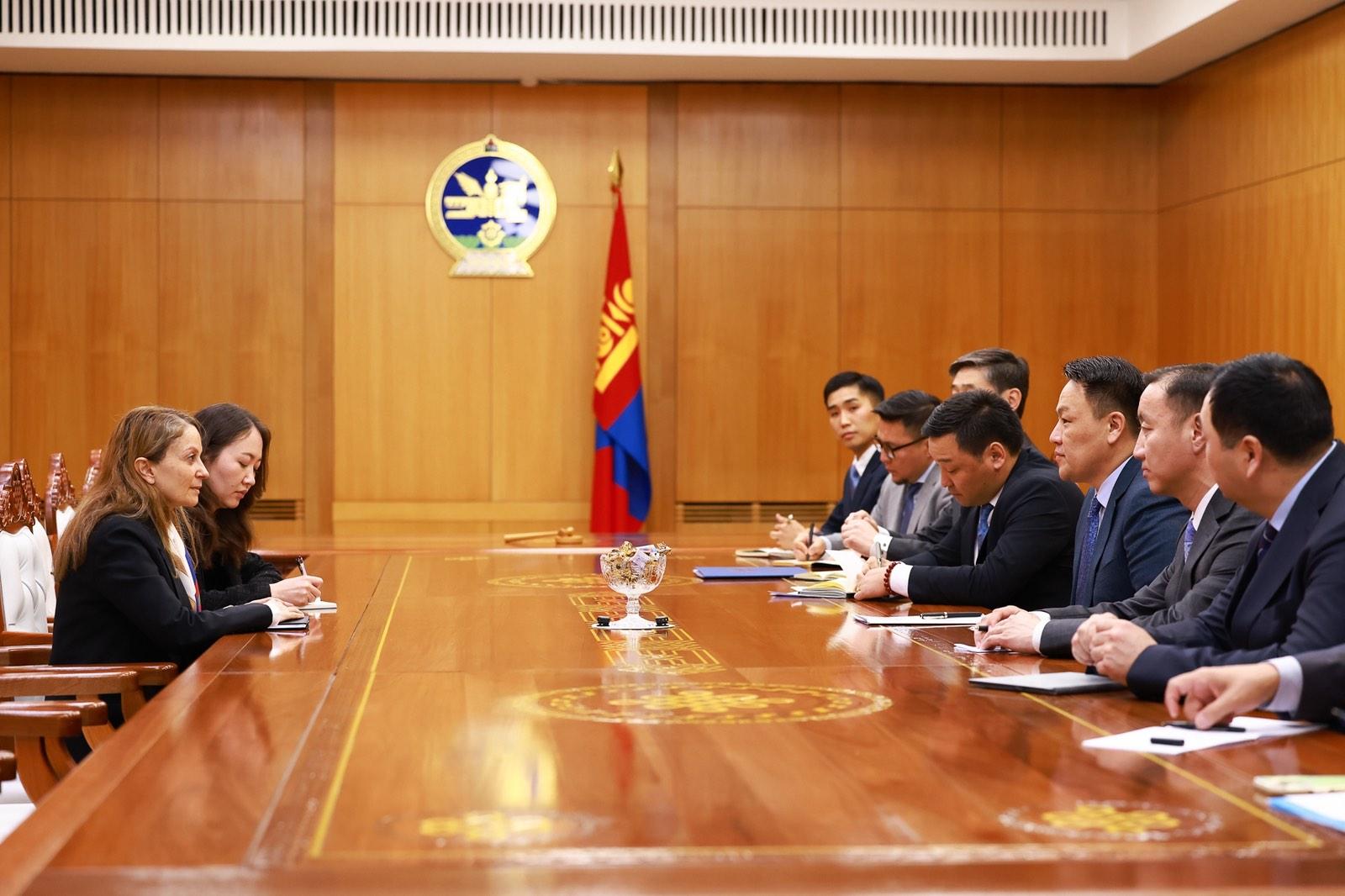
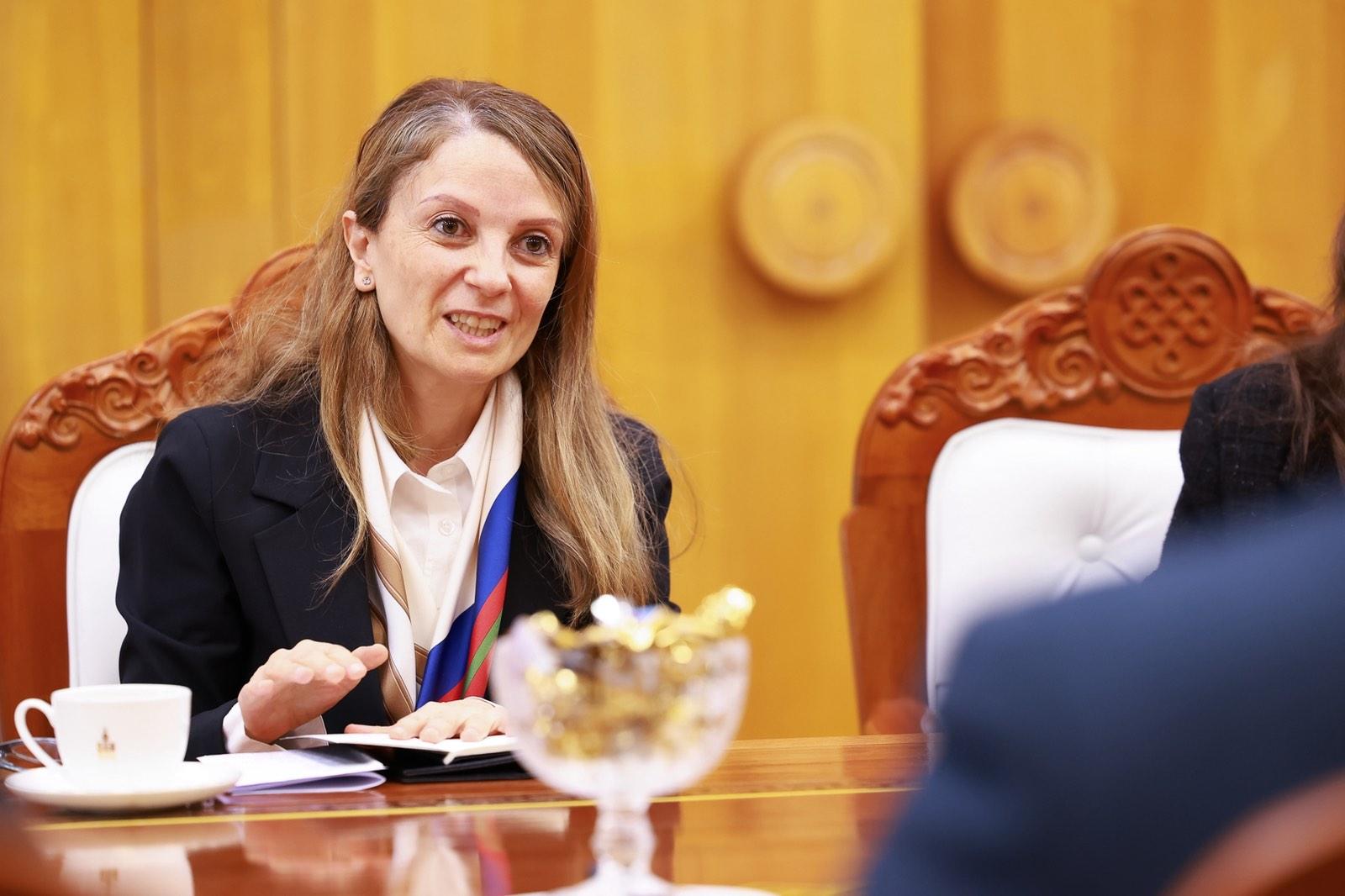
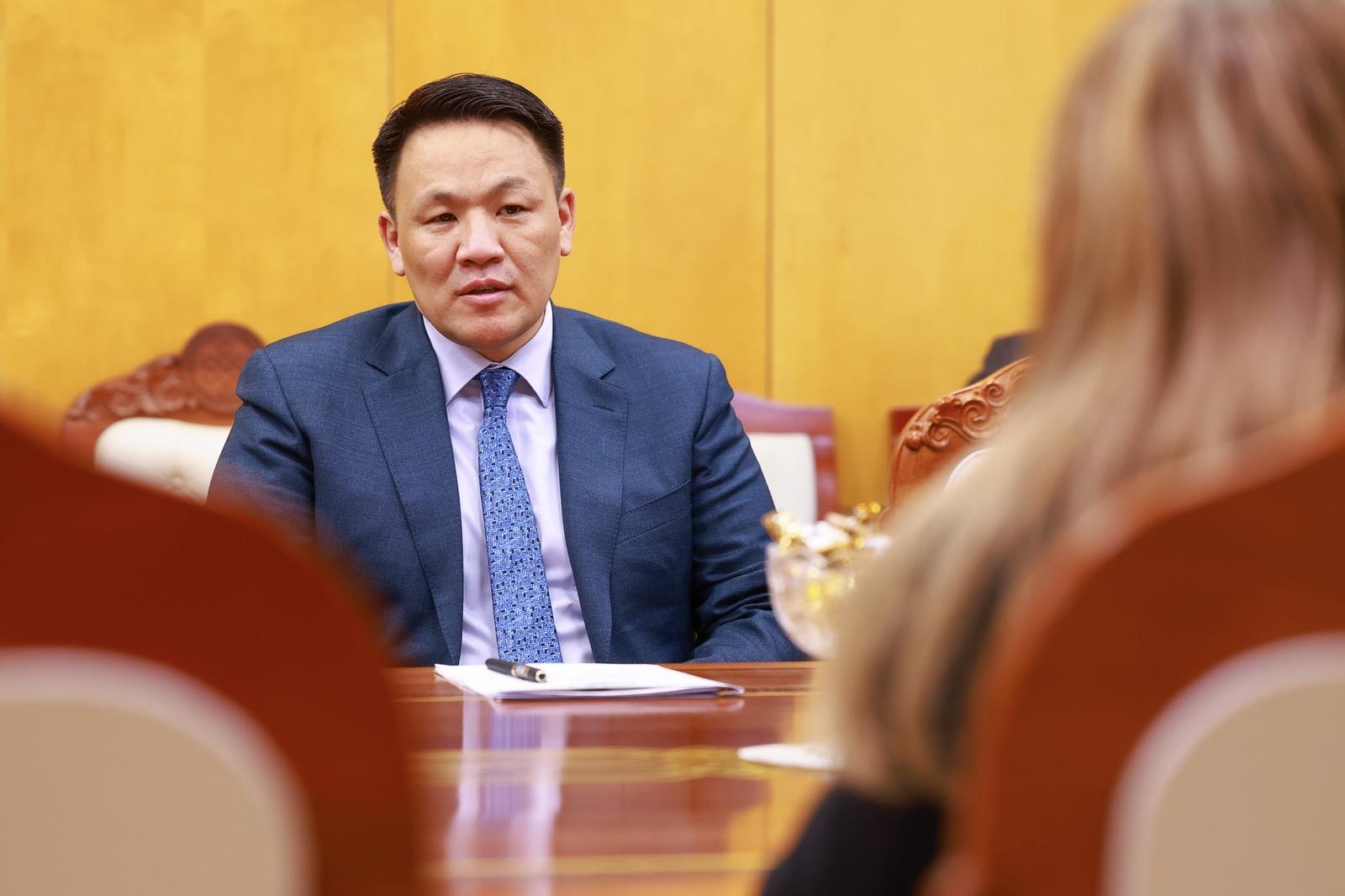
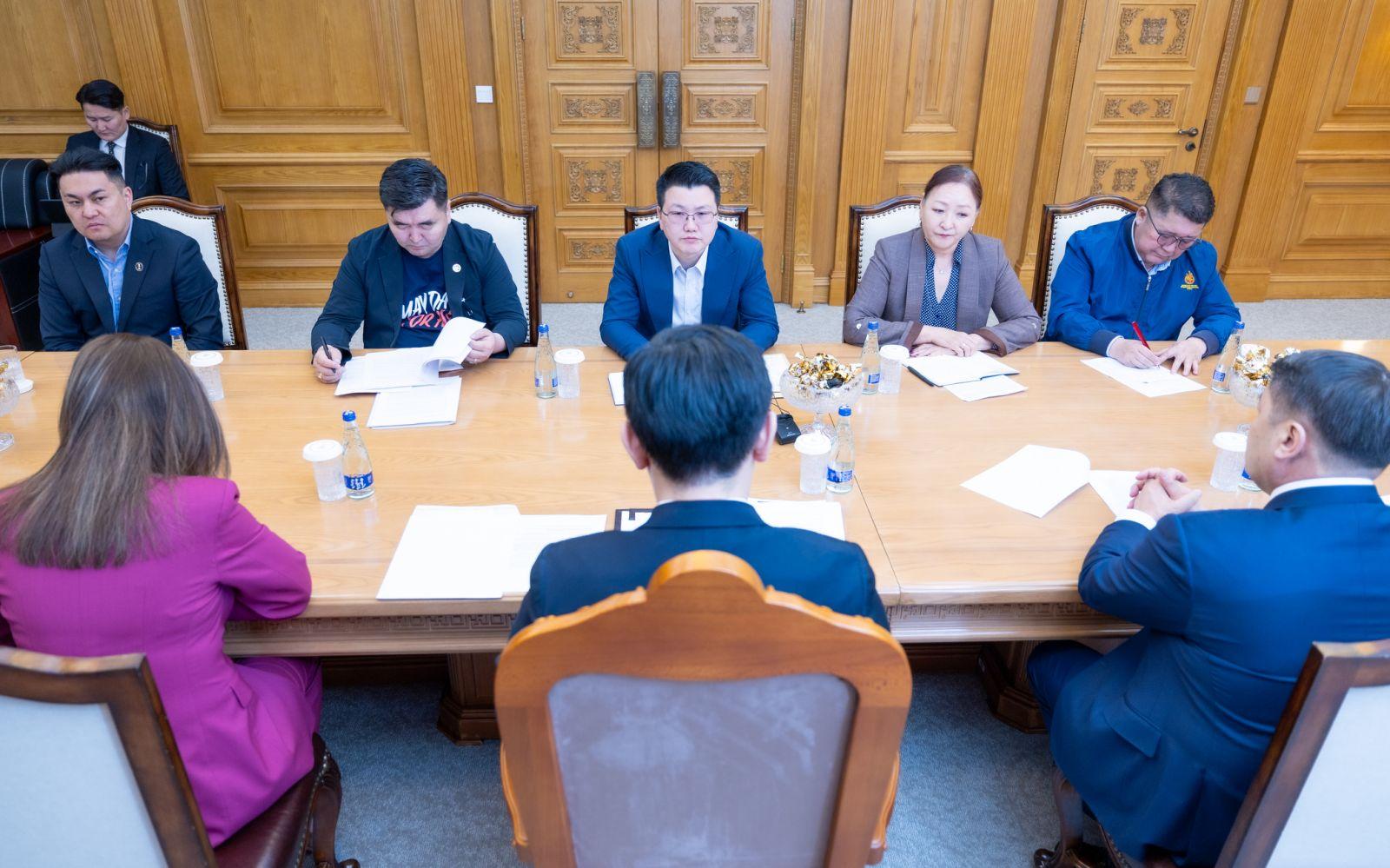
Prime Minister of Mongolia G. Zandanshatar received Ms. Yasmine Fouad, Executive Secretary of the United Nations Convention to Combat Desertification (UNCCD), on 3 February 2026.

During the meeting, Prime Minister G. Zandanshatar provided an overview of the progress of preparations for hosting the 17th session of the Conference of the Parties to the UNCCD (COP17), scheduled to take place in Mongolia from 17 to 28 August 2026. He underscored that the Government of Mongolia is working in close cooperation with the Convention Secretariat and relevant partners to ensure the successful organization of the conference.

The Prime Minister further highlighted that, at Mongolia’s initiative, the United Nations has proclaimed 2026 as the “International Year of Rangelands and Pastoralists,” noting that this designation is closely aligned with the agenda, priorities, and expected outcomes of COP17.

Executive Secretary Yasmine Fouad expressed appreciation for Mongolia’s proactive and responsible efforts as the host country in advancing preparations for COP17. She reaffirmed that the UN Resident Coordinator’s Office and the Convention Secretariat will extend comprehensive policy and organizational support to facilitate the successful convening of the conference and will continue to work closely with the Government of Mongolia.

Ulaanbaatar has launched the “Milk for Immunity” program to support the health and nutrition of primary school students across the capital.

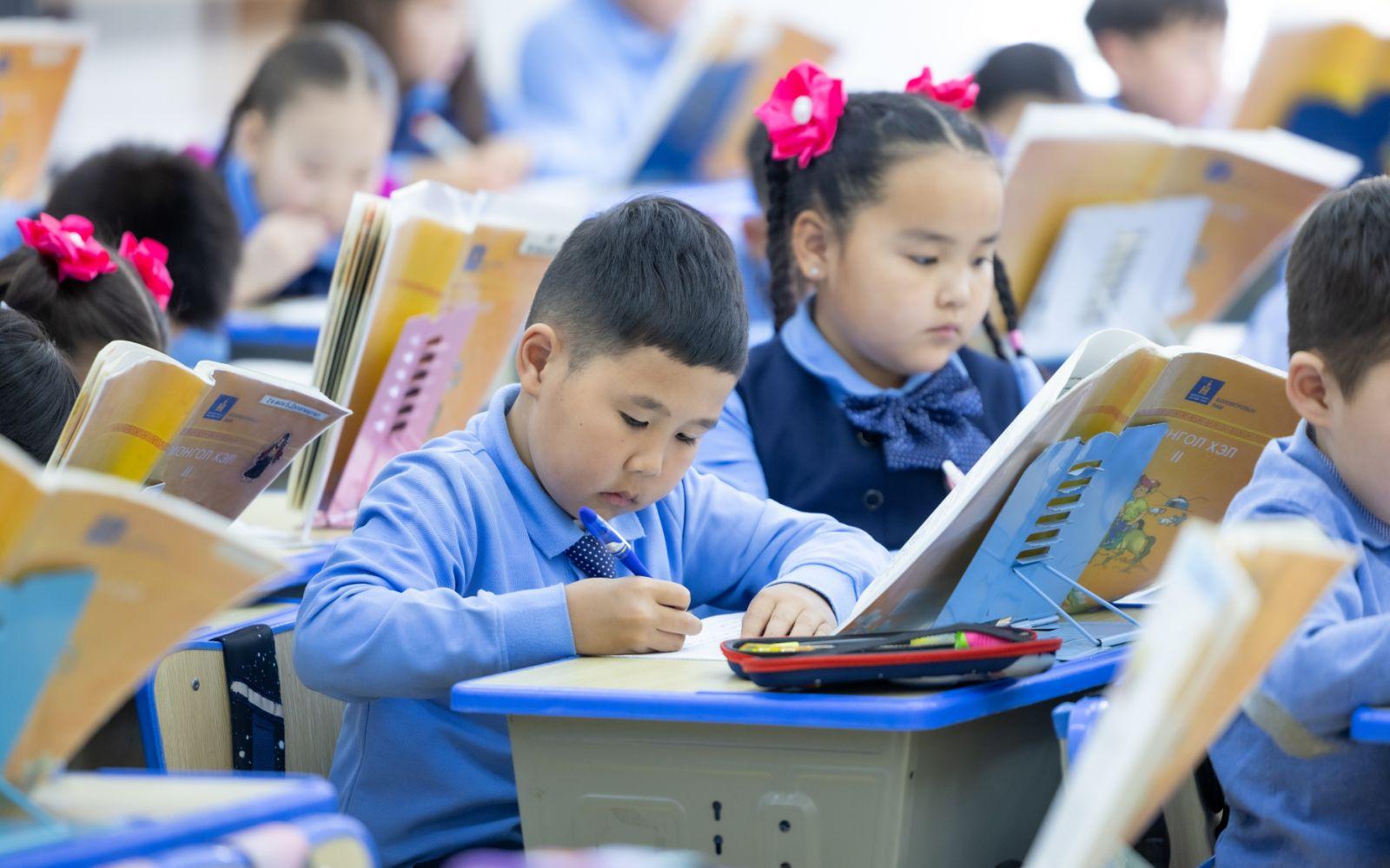
Under the initiative, students in grades 1 to 5 at public schools will receive milk three times a week. The program covers more than 189,600 students from over 170 schools and is being implemented jointly by city and district authorities, in cooperation with parents and guardians.

Officials said the program aims to improve children’s intake of essential vitamins and minerals, support healthy growth and development, and reduce the risk of osteoporosis and oral health problems. All milk and dairy products provided through the program will be supplied by domestic producers.

City authorities noted that the initiative is expected to expand to include students in grades 1–12 by 2027.

According to survey data, milk and dairy consumption among Mongolian children is 2.5 times lower than the levels recommended by the World Health Organization, highlighting the need for targeted nutritional support.

During a Cabinet meeting held on 28 January, the Chief of the Cabinet Secretariat, S. Byambatsogt, presented to Cabinet members an update on the progress of work conducted by the sub-working group responsible for evaluating proposals submitted by companies that have expressed interest in investing in and partnering on the Copper Concentrate Smelting and Processing Plant project to be implemented based on Erdenet Mining Corporation, a state-owned enterprise.

In September of last year, pursuant to an order of the Prime Minister, a Working Group was established to accelerate the implementation of the project to construct a copper concentrate smelting and processing plant at Erdenet Mining Corporation. The Working Group is chaired by S. Byambatsogt, Chief of the Cabinet Secretariat.

General information regarding the project was disseminated to 55 companies from more than 20 countries. To date, 13 companies from seven countries have officially expressed their interest in investing in and cooperating on the project.

To identify the most qualified investor and contractor, the sub-working group conducted an evaluation of the submitted proposals, taking into consideration the companies’ experience in implementing similar projects, proposed technical and technological solutions, financial and economic capacity, and comparative advantages.

The companies currently under consideration include:

  • NFC (People’s Republic of China)
  • Jiangxi Copper (People’s Republic of China)
  • A consortium comprising Liantou New Energy Technology, China ENFI Engineering Corporation, and Shanxi Northern Copper Industry (People’s Republic of China)
  • Glencore International AG (Swiss Confederation).

Preparatory work is underway to complete the final stage of the selection process for the investor and contractor for the Copper Concentrate Smelting and Processing Plant project within the first quarter of 2026.

Preparatory Work for Launching Direct Flights Between Mongolia and the United States Is Ongoing

At the Cabinet meeting held on 28 January, the Government discussed the progress of preparatory work for launching direct flights between Mongolia and the United States of America.

In 2023, the Governments of Mongolia and the United States concluded an Air Transport Agreement, thereby establishing the legal framework for operating direct flights between the two countries.

From the Mongolian side, to commence direct flights, it is required to undergo the International Aviation Safety Assessment (IASA) conducted by the U.S. Federal Aviation Administration, as well as a security assessment by the Transportation Security Administration. As part of the preparatory work for launching direct flights, the Civil Aviation Authority of Mongolia announced a selection process and, in 2024, entered into a consultancy agreement with the U.S.-based company The Wicks Group Consulting to obtain professional guidance for the IASA assessment.

Mongolian civil aviation sector organizations are currently implementing the recommendations provided through the consultancy services. To fully complete preparations for the IASA assessment, discussions have been held regarding the financing of the second phase of consultancy services through the United States Trade and Development Agency.

It is planned that a grant agreement will be concluded soon between the Government of the United States and USTDA, and the Government of Mongolia and the Civil Aviation Authority of Mongolia.

Prime Minister G. Zandanshatar on January 26 attended the opening of an exhibition showcasing products from domestic small and medium-sized enterprises, organized as part of preparations for the upcoming Tsagaan Sar holiday.

At the event, the Prime Minister announced that the Government is developing a strategy to reduce loan interest rates for national producers and intends to submit it to Parliament during the spring session. He noted that improving financial conditions for SMEs remains a priority for supporting domestic production and employment.

The Prime Minister further stated that a package of tax reform bills will be submitted during the same session. The reforms are expected to reduce the tax burden by 1.6 trillion MNT, primarily benefiting citizens and SMEs.

Prime Minister Zandanshatar underscored that strengthening national production contributes to economic stability and job creation. He called on citizens to purchase domestic products ahead of the Tsagaan Sar holiday and emphasized the importance of improving product quality and compliance with standards.

On November 1, Prime Minister G.Zandanshatar visited Dongsheng Petroleum Mongolia LTD in Zuunbayan, Dornogovi Province, to review the company’s operations and discuss plans for increased production.

Since its establishment in 2003, Dongsheng Petroleum has invested USD 480 million and extracted over 1 million tons of crude oil. Under the 1997 Production Sharing Agreement, the company has contributed USD 134 million to the state budget. The company currently operates 170 wells and plans to extract 56,000 tons of oil this year.

During the visit, the Prime Minister met with company executives and Chinese Ambassador Shen Minjuan, highlighting the importance of expanding exploration and production to supply crude oil for Mongolia’s upcoming oil refinery, expected to be completed in 2027.

Dongsheng Petroleum currently produces 50,000–60,000 tons of oil annually, with the capacity to increase output to 100,000 tons. Executives noted that certain legal and operational challenges remain that could limit further investment.

Under the leadership of China’s SINOPEC Group, Dongsheng Petroleum reaffirmed its commitment to continue investing in Mongolia’s petroleum and energy sectors, contributing to the country’s long-term energy security and economic development.