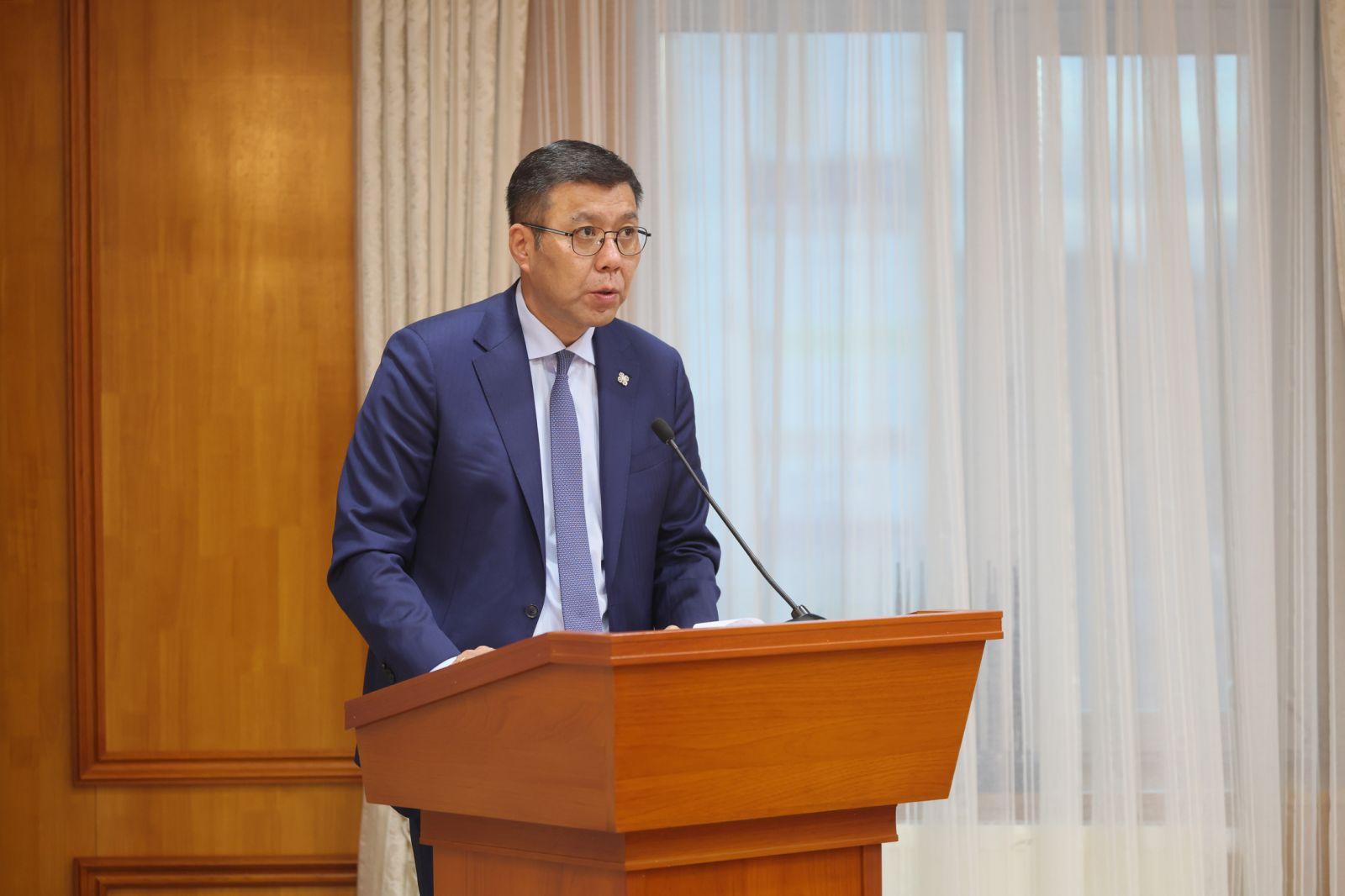
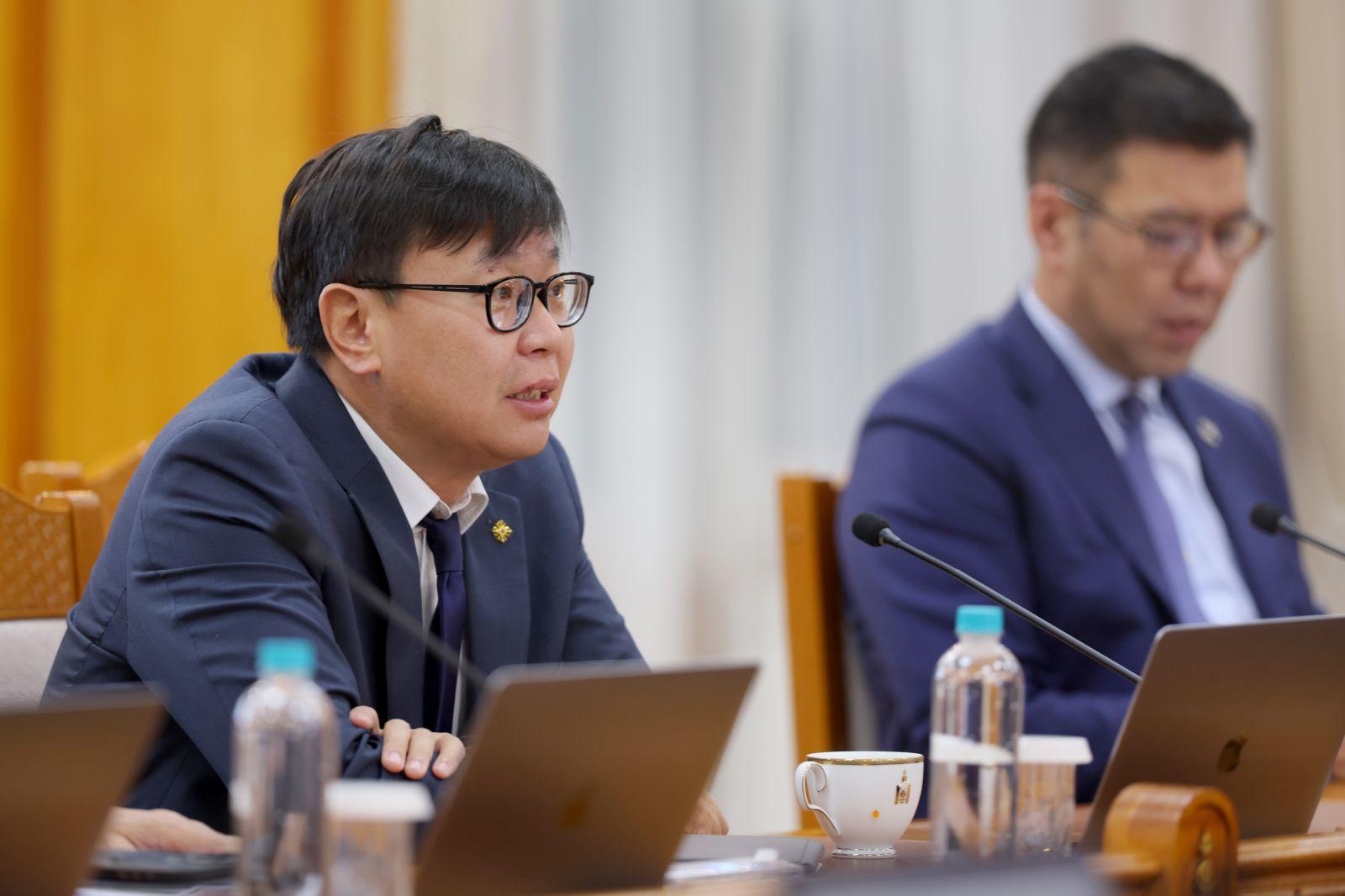
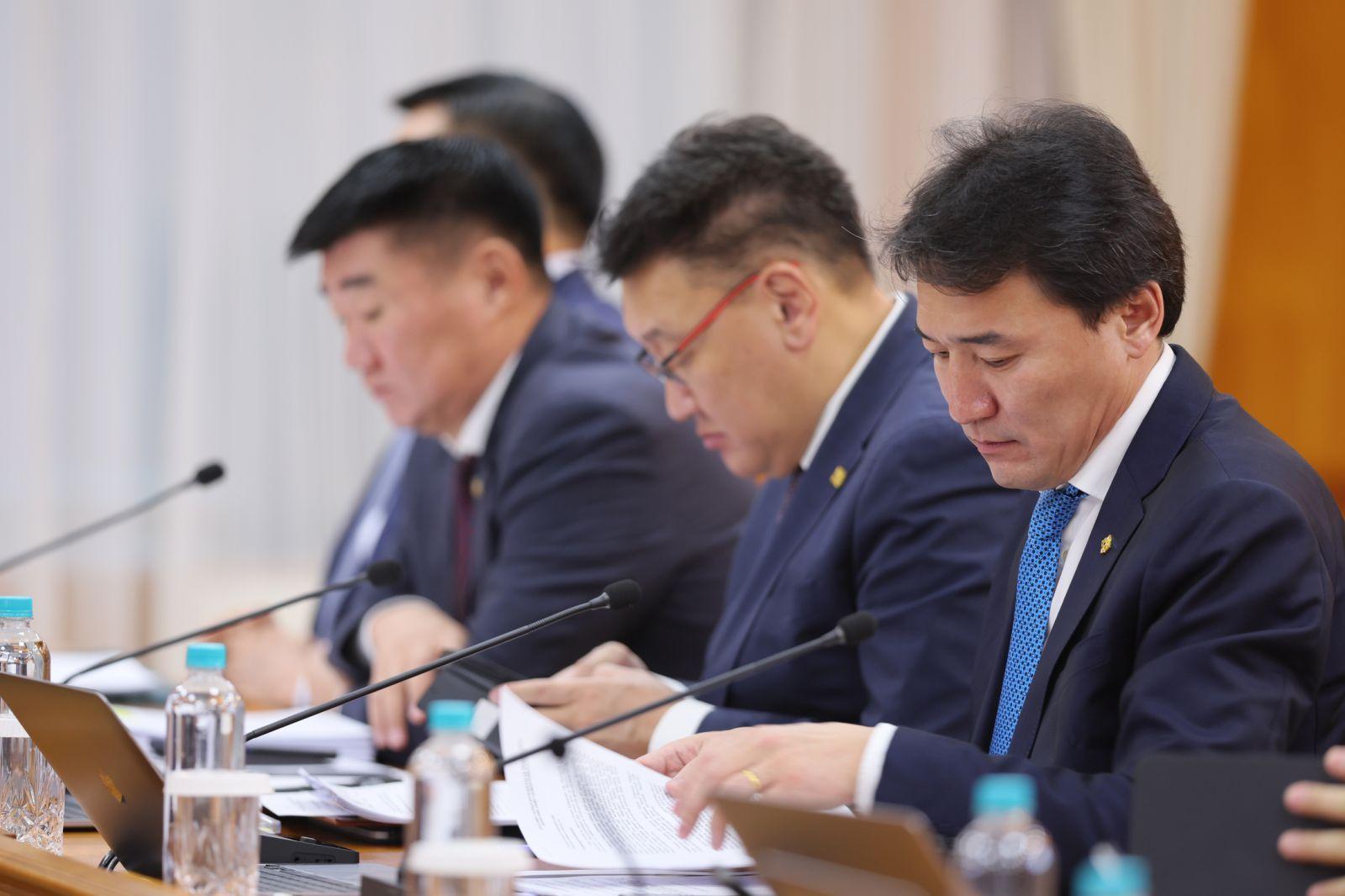
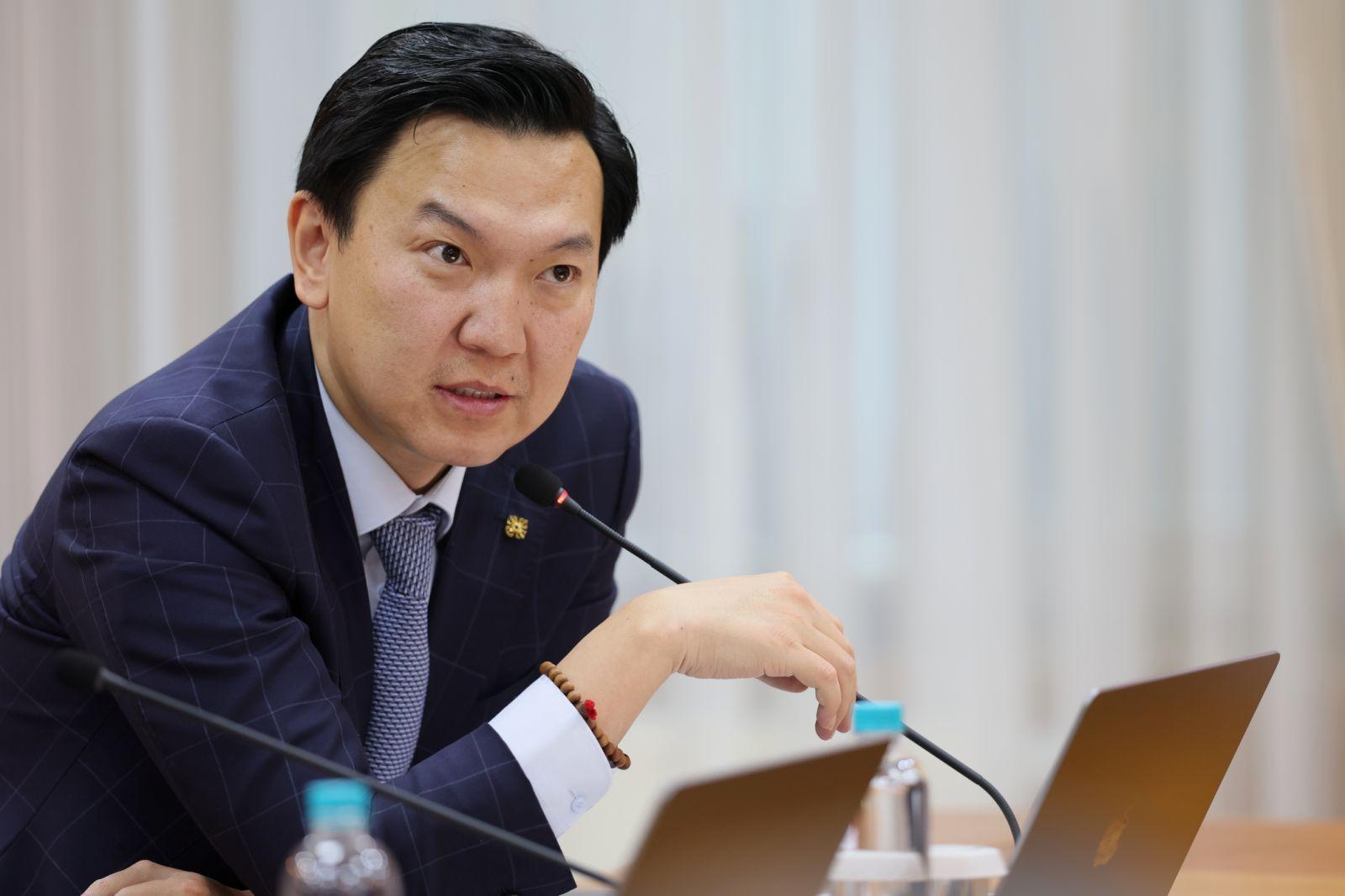
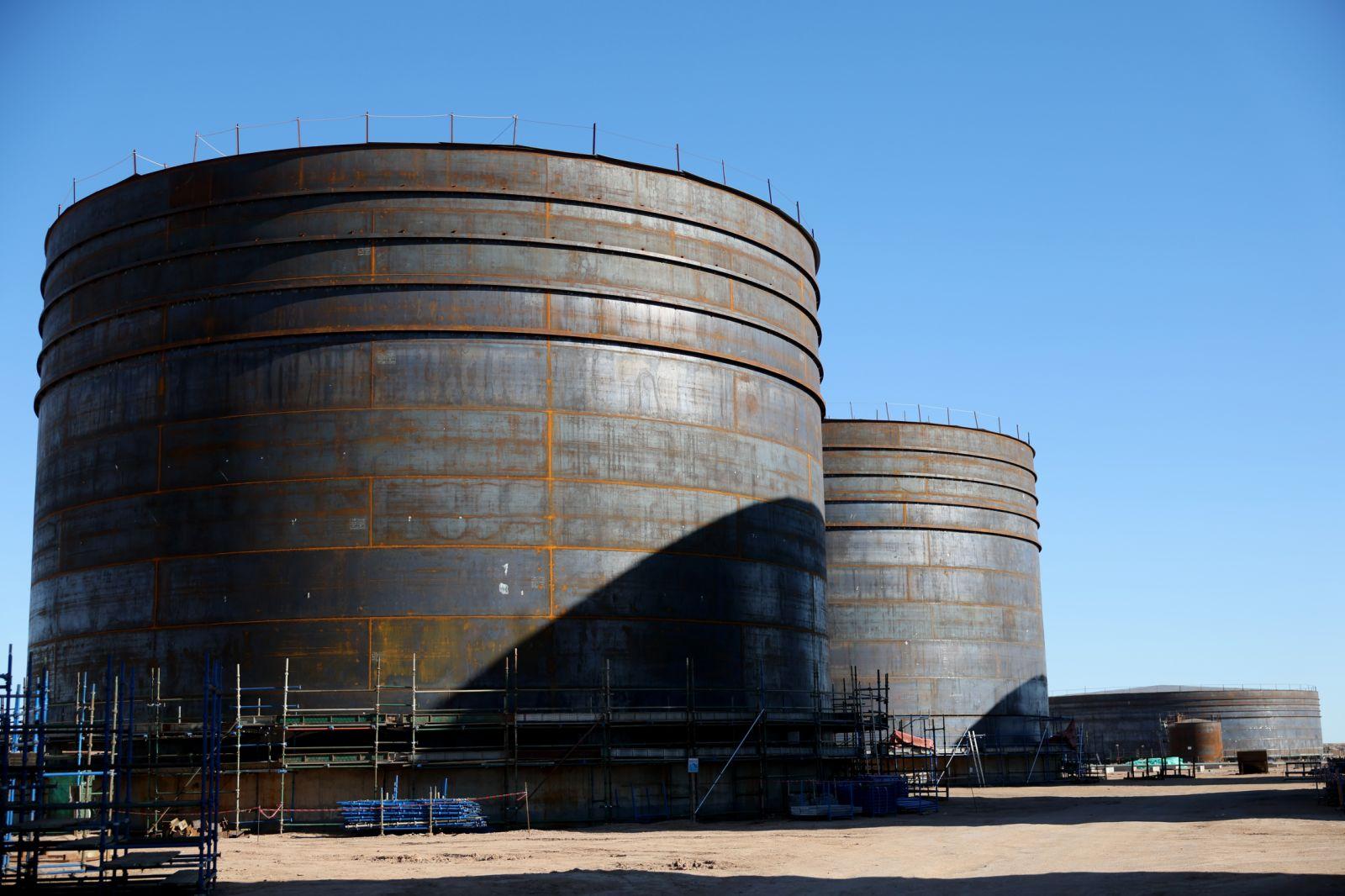
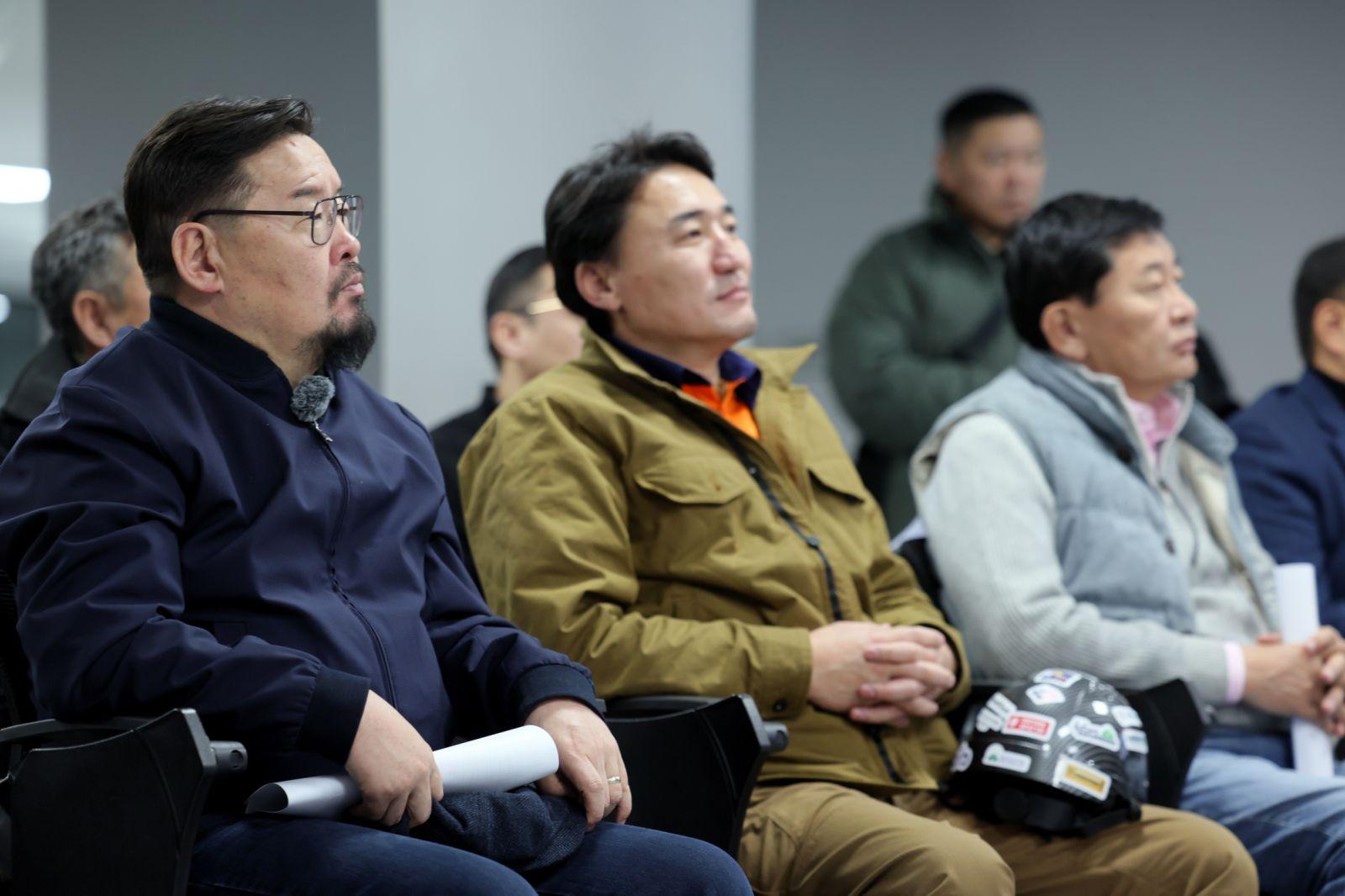
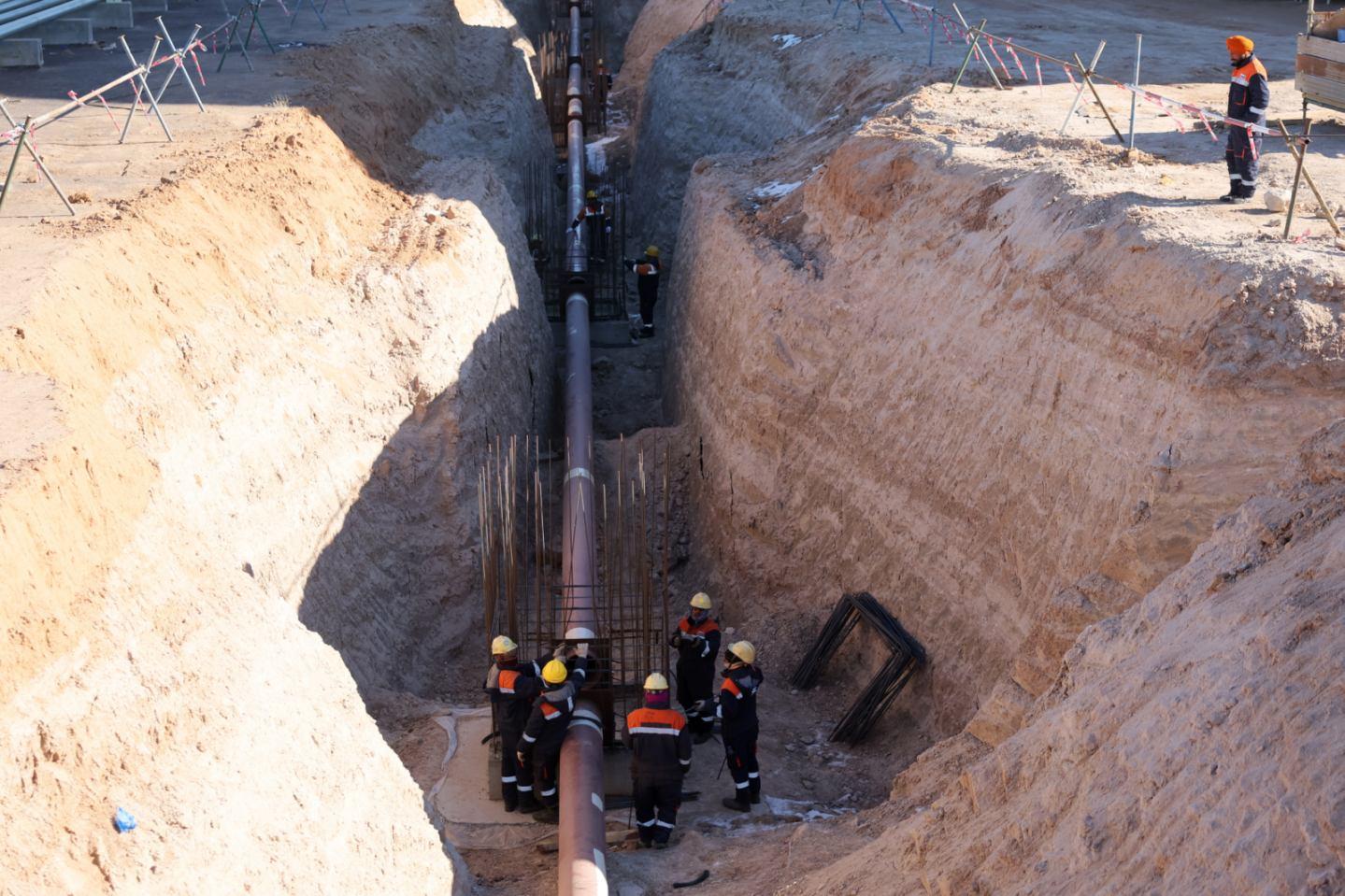
On March 17, Prime Minister L. Oyun-Erdene submitted a draft law to Speaker of Parliament, D. Amarbayasgalan, seeking ratification of an intergovernmental agreement between Mongolia and China aimed at enhancing the capacity of the Gashuunsukhait-Gantsmod port and facilitating coal sales. The agreement is part of a broader strategy to boost Mongolia’s economic development through improved infrastructure.

Signed on February 14, 2025, the agreement focuses on the construction of the Gashuunsukhait-Gantsmod cross-border railway, which has been designated as the top priority among 14 mega-projects initiated by the Mongolian government. The railway connection will serve as an important link, allowing for increased transportation of coal from the Tavantolgoi mine, one of the largest coal deposits in the country.
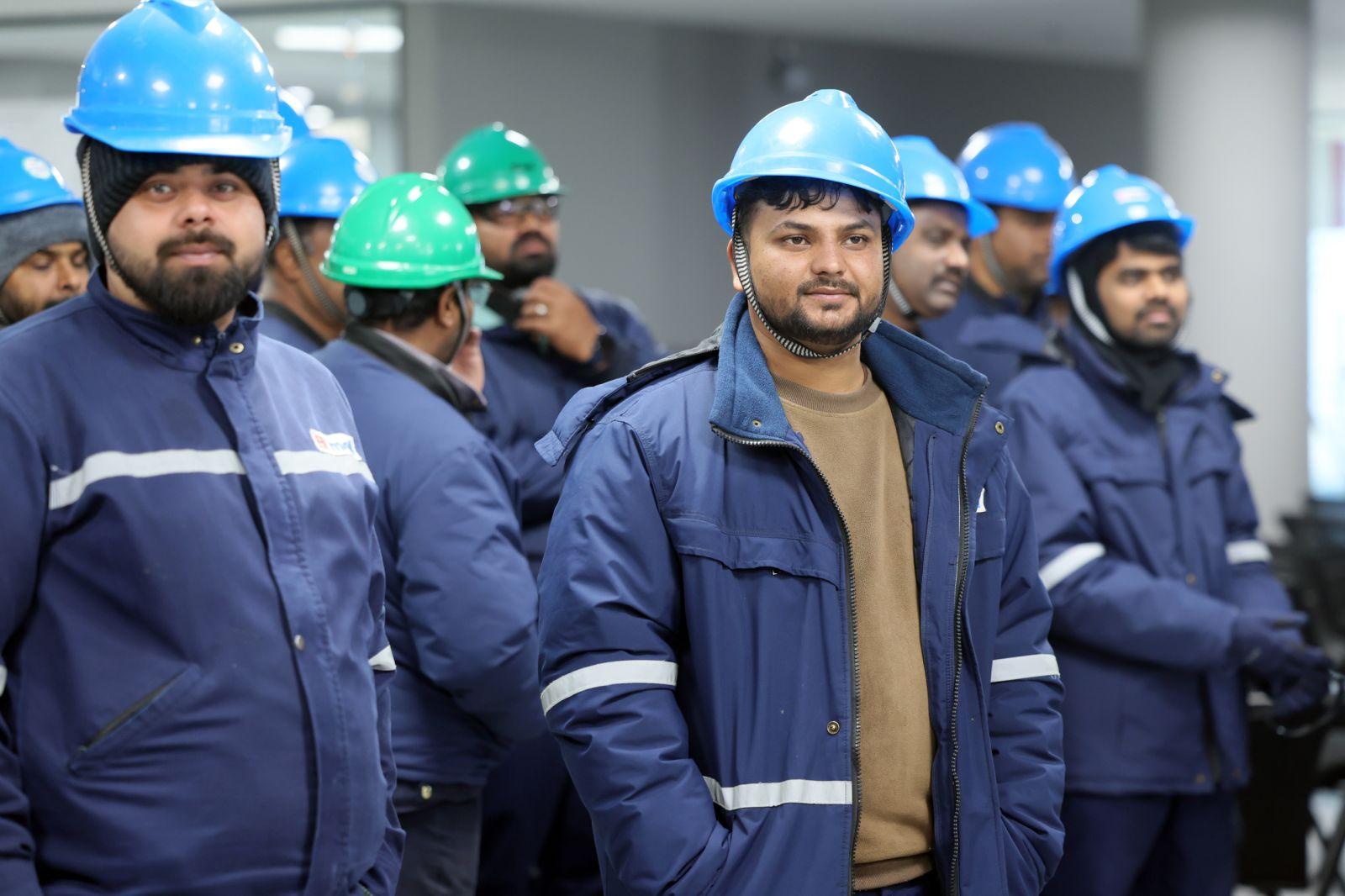
Upon receiving parliamentary approval, the government plans to announce a tender for the railway’s construction by the end of the month.

“I am confident that Parliament will approve the agreement early in the spring session, enabling construction to start without delay,” the Prime Minister stated.

This railway will represent the second major railway connection established between Mongolia and China, following the Zamiin-Uud-Erlian line, which was built under a 1955 agreement. The Gashuunsukhait-Gantsmod railway is expected to significantly enhance Mongolia’s port capacity, potentially doubling it and raising coal exports from the current average of 83 million tons per year to 165 million tons.

The anticipated increase in coal sales revenue – projected to hit USD 1.5 billion annually – will not only bolster Mongolia’s economy but also aid in reaching the government’s goal of achieving a GDP per capita of USD 10,000. This development promises to boost the National Sovereign Wealth Fund’s Accumulation Fund, creating a solid foundation for long-awaited tax reforms.

The implementation of Gashuunsukhait-Gantsmod project will facilitate the phased development of other railway connections at key ports, including Shiveekhuren-Sekhee, Bichigt-Zuunkhatavch, and Khangi-Mandal.

The 7th meeting of the Performance Monitoring Unit under the Prime Minister was held on March 15 to review the progress of key infrastructure and environmental initiatives in Ulaanbaatar. This unit, tasked with overseeing air pollution reduction and infrastructure development projects, assessed current efforts to improve the city’s living conditions.

During the meeting, participants discussed major projects including the Tuul River Expressway, the New Belt Road, the Selbe sub-center, and initiatives focused on semi-coke production. Emphasizing the need for integrated urban development, Prime Minister L. Oyun-Erdene reaffirmed the government’s commitment to addressing Ulaanbaatar’s challenges through strategic planning.  Among the proposed infrastructure projects, the Vertical Axis Expressway, introduced by Minister of Roads and Transport B. Delgersaikhan, aims to connect the northern and southern parts of the city. This expressway is expected to intersect with both the Tuul River Expressway and the New Belt Road. Meeting participants recommended that this project be aligned with Ulaanbaatar’s overall development plan, citing studies that indicate a north-south expansion as the most efficient growth model. The Prime Minister instructed officials to incorporate expert assessments into the planning process and present the project to the Cabinet for approval.

Discussions also focused on measures to improve insulation in ger (traditional nomadic dwelling) neighborhoods and older apartment buildings located within the city’s green zones. According to the Ministry of Urban Development, Construction, and Housing, enhancing insulation in these homes could reduce heating costs significantly, by up to two or three times, contributing to lower air pollution levels.

Following the meeting, Prime Minister L. Oyun-Erdene visited the home of B. Tugsjargal in the Bayanzurkh district, where gas stoves have recently been introduced as part of a pilot project. B. Tugsjargal praised the convenience and cleanliness of using gas stove, noting that improved insulation would make heating even more cost-effective. Currently, over 30 households in the district have adopted gas stoves, with city authorities planning a phased rollout to additional districts.

The Prime Minister reiterated the urgency of accelerating Ulaanbaatar’s major projects, stressing that efforts to combat air pollution and traffic congestion must continue without interruption throughout the spring and summer.

During the World Economic Forum in Davos, Deputy Prime Minister of Mongolia and Chairman of the National Committee on Energy, Dorjkhand Togmid, held meetings with officials from several countries.

Saudi Arabia Reaffirms Interest in Mongolia’s Energy and Agricultural Sectors

Deputy Prime Minister T. Dorjkhand, participating in the World Economic Forum in Davos, met with Saudi Arabia’s Minister of Investment, Khalid A. Al-Falih. This meeting followed discussions initiated by Mongolian Prime Minister L. Oyun-Erdene during his visit to Saudi Arabia in December 2024, where green energy cooperation was a central topic. The parties explored advancing these discussions and expanding cooperation to other sectors.
Deputy Prime Minister Dorjkhand provided an overview of Mongolia’s 14 mega projects, the mining sector, and the investment environment. Minister Khalid A. Al-Falih expressed Saudi Arabia’s interest in investing in Mongolia, emphasizing the potential for collaboration in the energy sector. Both sides agreed to work towards negotiating and signing a memorandum of understanding on renewable energy cooperation between their governments.


Mongolia and the United Arab Emirates to Strengthen Bilateral Relations

Deputy Prime Minister T. Dorjkhand also met with Mohammad Abdullah Al Gergawi, Minister of Cabinet Affairs of the United Arab Emirates. The meeting focused on advancing discussions on renewable energy cooperation, which were initially addressed during Prime Minister L. Oyun-Erdene’s visit to the UAE in December 2024.

The parties discussed the potential for Mongolia to sign a memorandum of understanding with the UAE’s Ministry of Energy and Infrastructure and MASDAR, a leader in renewable energy. Minister Al Gergawi proposed establishing a Joint Economic Committee between the two countries and invited Deputy Prime Minister T. Dorjkhand to visit the UAE and participate in the World Government Summit in Dubai.

Mongolia Signs Memorandum of Understanding with Envision Group

The National Committee on Energy of Mongolia signed a memorandum of understanding with Envision Group, a global leader in green technology. The agreement includes plans for constructing a 500-megawatt energy storage plant in Mongolia, exporting renewable energy, and creating green jobs. These initiatives align with Mongolia’s “Vision-2050” long-term development policy and the New Recovery Policy.

Deputy Prime Minister T. Dorjkhand highlighted the importance of Envision Group’s innovative solutions in helping Mongolia fully utilize its renewable energy resources, develop a reliable energy infrastructure, and promote sustainable development. Zhang Lei, Chairman of the Board of Directors of Envision Group, expressed confidence that the partnership would support Mongolia’s climate change goals and accelerate economic development.

Envision Group, in collaboration with the International Finance Corporation, recently completed a 50MW/200MWh energy storage plant in the Baganuur district of Ulaanbaatar, which was handed over before the peak winter season.

Deputy Prime Minister of Mongolia T. Dorjkhand is attending the 55th World Economic Forum, held in Davos, Switzerland, from January 20 to 24 under the theme “Collaboration for the Intelligent Age.”

During the forum, Deputy Prime Minister T. Dorjkhand will participate in key sessions, including “The Geoeconomics of Energy and Materials” and “Technological Solutions to Address Pollution.”

He will also sign two significant agreements: a cooperation agreement with the World Economic Forum on the Strategic Intelligence Platform project and a memorandum of understanding with the European Bank for Reconstruction and Development to advance renewable energy development and Mongolia’s climate goals.

For the first time, Mongolia is operating the “Mongolia House” at the forum, serving as a platform to promote the country and facilitate bilateral and multilateral meetings. Among the more than 200 participating countries, over ten nations have established similar houses.

The forum is attended by the prime ministers of Argentina, Malaysia, Singapore, Thailand, Vietnam, South Africa, the Netherlands, Kuwait, Peru, Bhutan, Liechtenstein, Chad, Ecuador, Latvia, and Finland. Leaders of major organizations, including the International Monetary Fund, World Bank, World Trade Organization, Organization for Economic Cooperation and Development, World Health Organization, and International Atomic Energy Agency, are also present.

      The Government of Mongolia announces a collaboration with the World Economic Forum for the development of an AI-driven Mongolia Strategic intelligence hub.

·      The platform will deliver a dynamic and whole-of-government overview of 10-12 key sectors, vital for Mongolia’s economic and industrial development and related policy innovations that Mongolian policymakers and decision-makers can undertake.

·       The Forum’s Strategic Intelligence platform will drive Mongolia’s ‘Vision 2050’ forward by licensing its AI-driven tools to support the Mongolian Government’s strategic vision and capacities.

Davos, Switzerland, 20th January: The Government of Mongolia signed a collaboration agreement with the World Economic Forum today to develop an AI-based Strategic Intelligence platform. The Agreement was signed by Mr. Dorjkhand Togmid, Deputy Prime Minister of Mongolia, and Mr. Olivier Schwab, Managing Director, World Economic Forum.

With this agreement, the Government of Mongolia will establish a cutting-edge Strategic Intelligence platform to enhance strategic decision making, analyze global trends and key drivers of transformational changes, and help accelerate the implementation of the Government’s medium and long-term development policies while tackling global challenges.

His Excellency Oyun-Erdene Luvsannamsrai, Prime Minister of Mongolia, underscored the critical need to continue to drive forward the implementation of Mongolia’s ‘Vision 2050.’ He highlighted that, “In an era of rapid transformation of Artificial Intelligence, Mongolia has the opportunity to make science-driven strategic decisions and foster innovation through this forward-thinking partnership. We will utilize the Strategic Intelligence platform to advance our e-governance platforms and improve public productivity.”

The platform will provide cutting-edge resources to monitor trends and signals to deliver a dynamic overview of sectors critical to Mongolia’s economic and industrial development. It will feature insights from over 400 global sources including leading academic institutions, think tanks, research institutions, and international organizations, as well as showcase contributions from more than 4,000 experts across diverse fields. The AI tools of the platform will generate briefings of the latest research, analysis, and potential scenarios for priority areas, putting forward key strategic trends and best practices globally towards Mongolia’s economic development and industrial growth.

Professor Klaus Schwab, Founder and Chairman of the Board of Trustees of the World Economic Forum remarked: “Through collaboration with the World Economic Forum, Mongolia is demonstrating visionary leadership by embedding advanced technologies into their governance framework to drive innovation in policy-making and industrial growth. This forward-thinking partnership showcases how nations can harness AI and strategic intelligence to modernize governance and accelerate economic development.”

In addition to strengthening innovation, creative approaches, and smart solutions in government strategy and planning, Mongolia will strengthen its engagement with the World Economic Forum’s network and broaden its collaboration with public-private partnerships to tackle global challenges through the use of advanced technologies and expert networks.

Over the past decade, the WEF has engaged in strategic collaboration with the Government of Mongolia towards sustainable economic growth and diversification. This collaboration is exemplified by the 2014 “Scenarios for Mongolia” framework, which involved over 250 experts convened to deliberate on managing resources wisely to ensure both present and future generations can benefit, promoting prosperity for the country. These initiatives have been instrumental in supporting Mongolia in exploring long-term sustainable economic outcomes and making informed strategic decisions that foster national prosperity.

Prime Minister L. Oyun-Erdene, leading the task force to tackle Ulaanbaatar’s air pollution and infrastructure challenges, chaired the second task force meeting on Saturday. The meeting focused on prioritizing major projects for the capital, discussing housing policies, reviewing the progress of the 5th thermal power plant, and addressing unauthorized buildings in the city.

For 2025, Ulaanbaatar plans to implement nine projects to reduce traffic congestion, five to combat air pollution, and seven mega projects in other infrastructure sectors.

As part of the meeting, the Prime Minister reviewed the Belt Road-1 project, a pivotal initiative to enhance infrastructure and alleviate traffic congestion in the capital. The 23.7-kilometer road will intersect with the Tuul River Expressway. The project’s feasibility study is nearing completion, with a tender scheduled for June and commissioning planned for 2028.

Following the meeting, the Prime Minister inspected conditions in ger districts where renewable energy initiatives are underway. Solar panels have been installed in 70 households, marking the beginning of efforts to transition ger district households to renewable energy sources. Officials reported that an additional 100 households are being connected to solar generators, which are environmentally friendly and can help reduce the city’s growing energy burden.

On January 17, Mongolian Prime Minister Oyun-Erdene Luvsannamsrai met with Laurent Saint-Martin, France’s Minister Delegate for Foreign Trade and French Nationals Abroad, and Nicolas Maes, CEO of Orano Group.

At the meeting, Prime Minister L. Oyun-Erdene highlighted France as Mongolia’s “third neighbor,” a reliable European partner, a permanent member of the UN Security Council, and a founding member of the European Union. He emphasized that fostering mutually beneficial cooperation with France is a key goal of Mongolia’s foreign policy.


“This year marks the 60th anniversary of diplomatic relations between our countries. Today, as we sign the agreement on the long-stalled uranium project, we mark a historic day in Mongolian-French relations,” he said.

Laurent Saint-Martin noted that the uranium project and investment agreement represent a significant milestone, not only for Mongolia and France but also for Mongolia-EU cooperation. He expressed gratitude to the Mongolian government for introducing French uranium mining technologies and expertise, opening a new chapter in Mongolia’s mining industry.
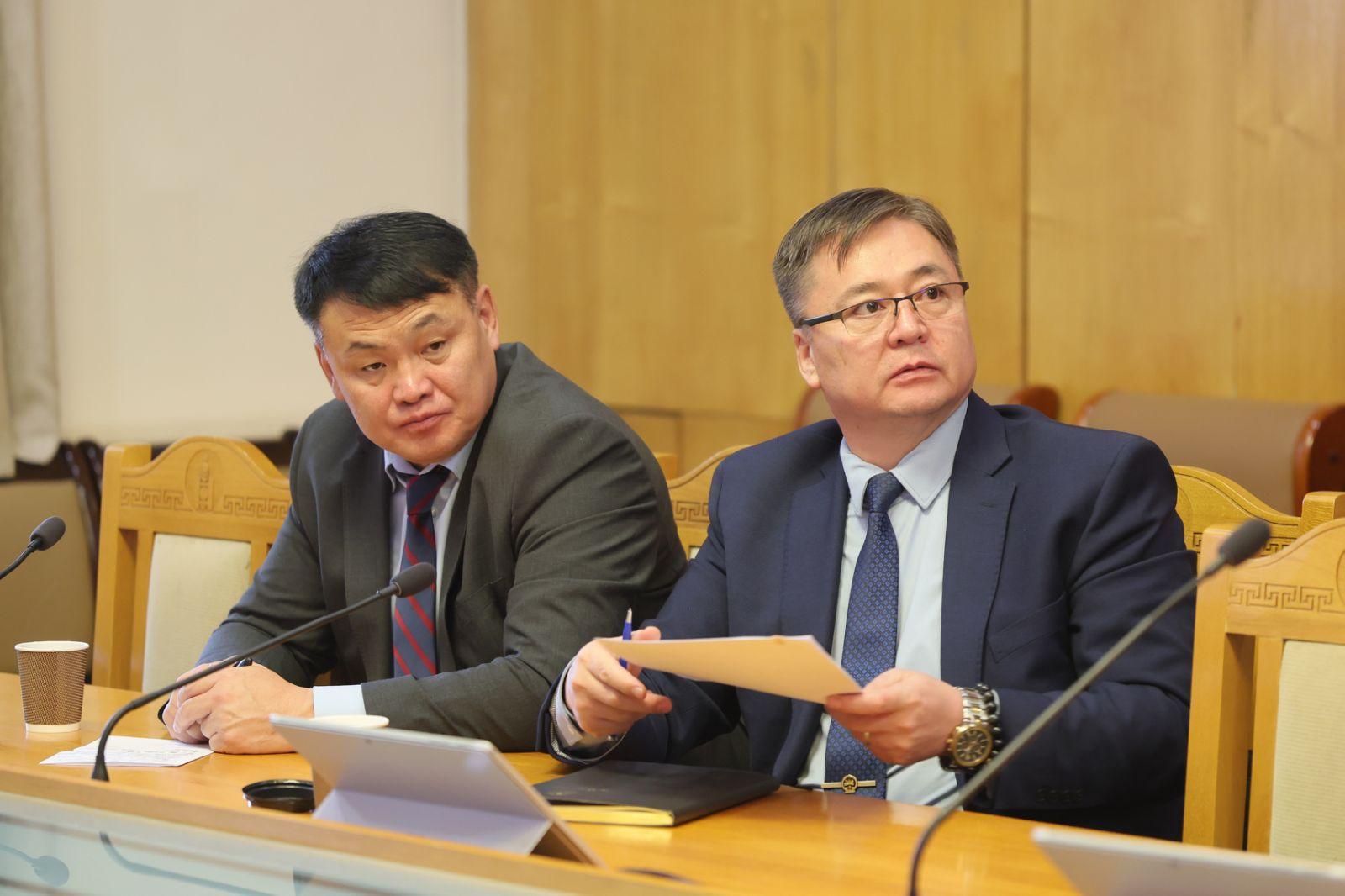
The investment agreement with Orano Mining is Mongolia’s second major agreement with a “third neighbor” and is poised to become a benchmark in the mining and minerals sector.

The parties acknowledged that the state visits of French President Emmanuel Macron to Mongolia and Mongolian President Khurelsukh Ukhnaa to France in 2023 have strengthened bilateral relations and paved the way for tangible outcomes in joint projects.
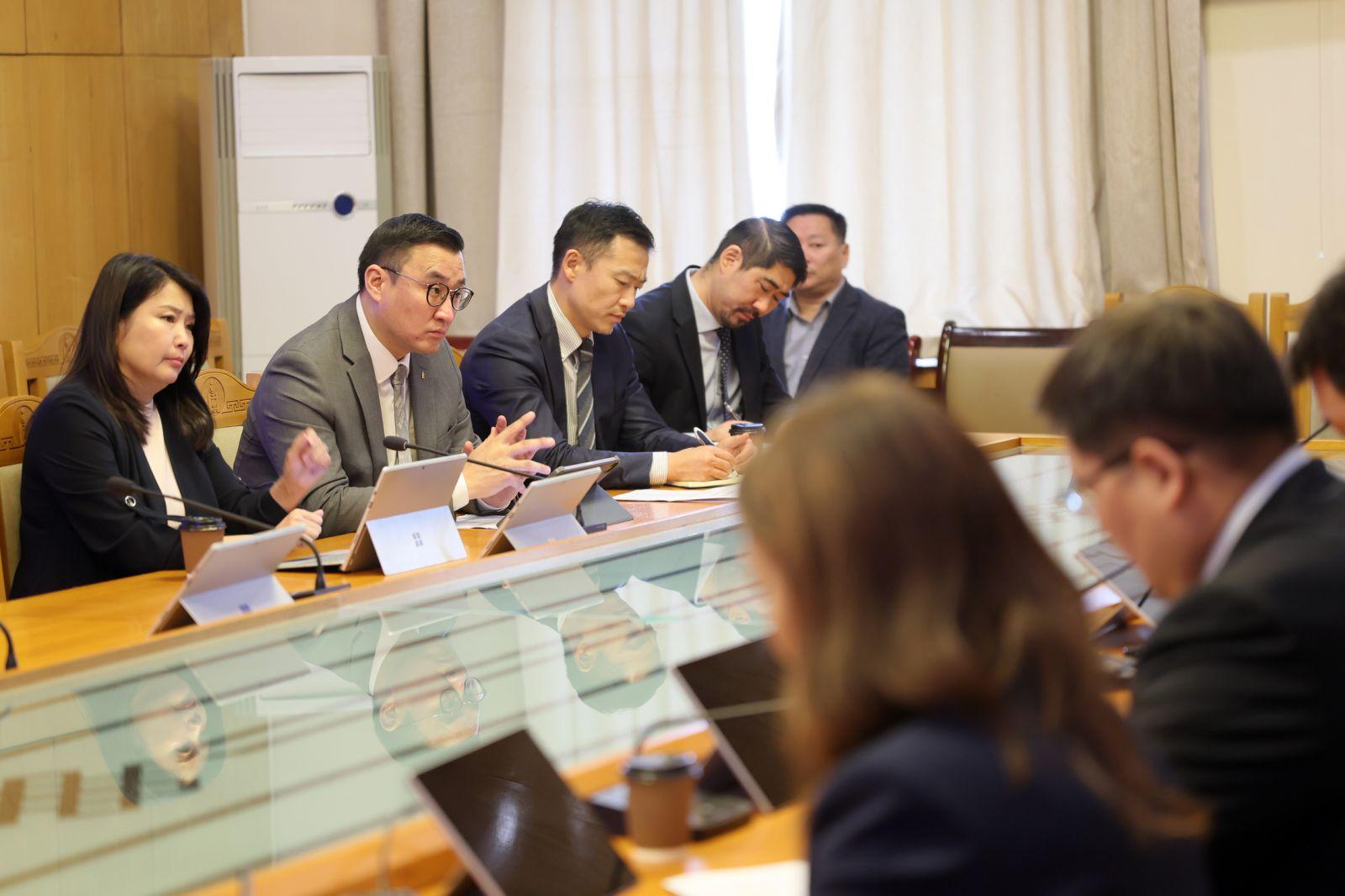
Prime Minister L. Oyun-Erdene reaffirmed Mongolia’s commitment to advancing cooperation with France, including the development of the Mongolian National Satellite Network. He also emphasized the government’s interest in collaborating with France on transport and urban development projects to address Ulaanbaatar’s congestion issues.
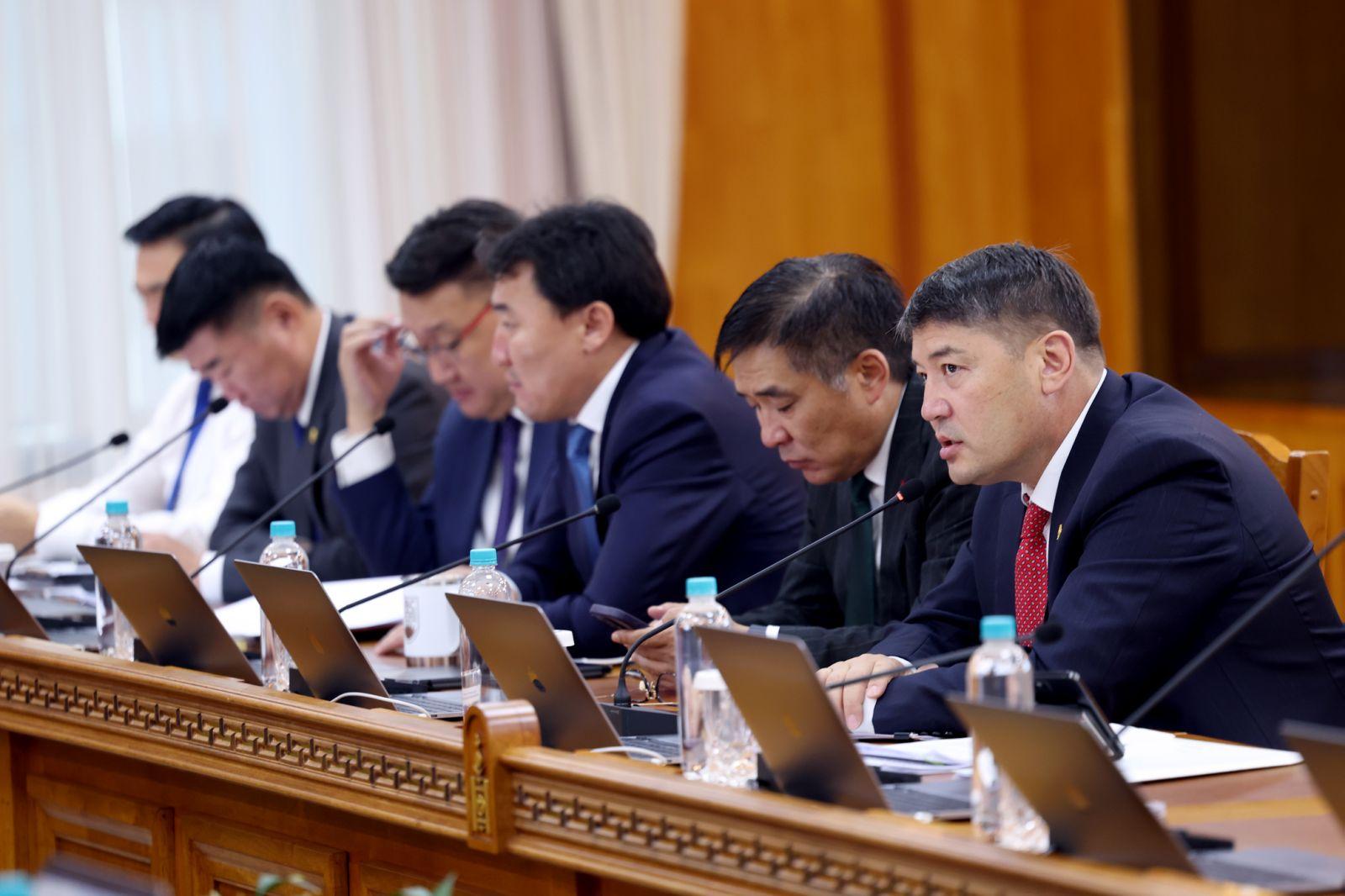
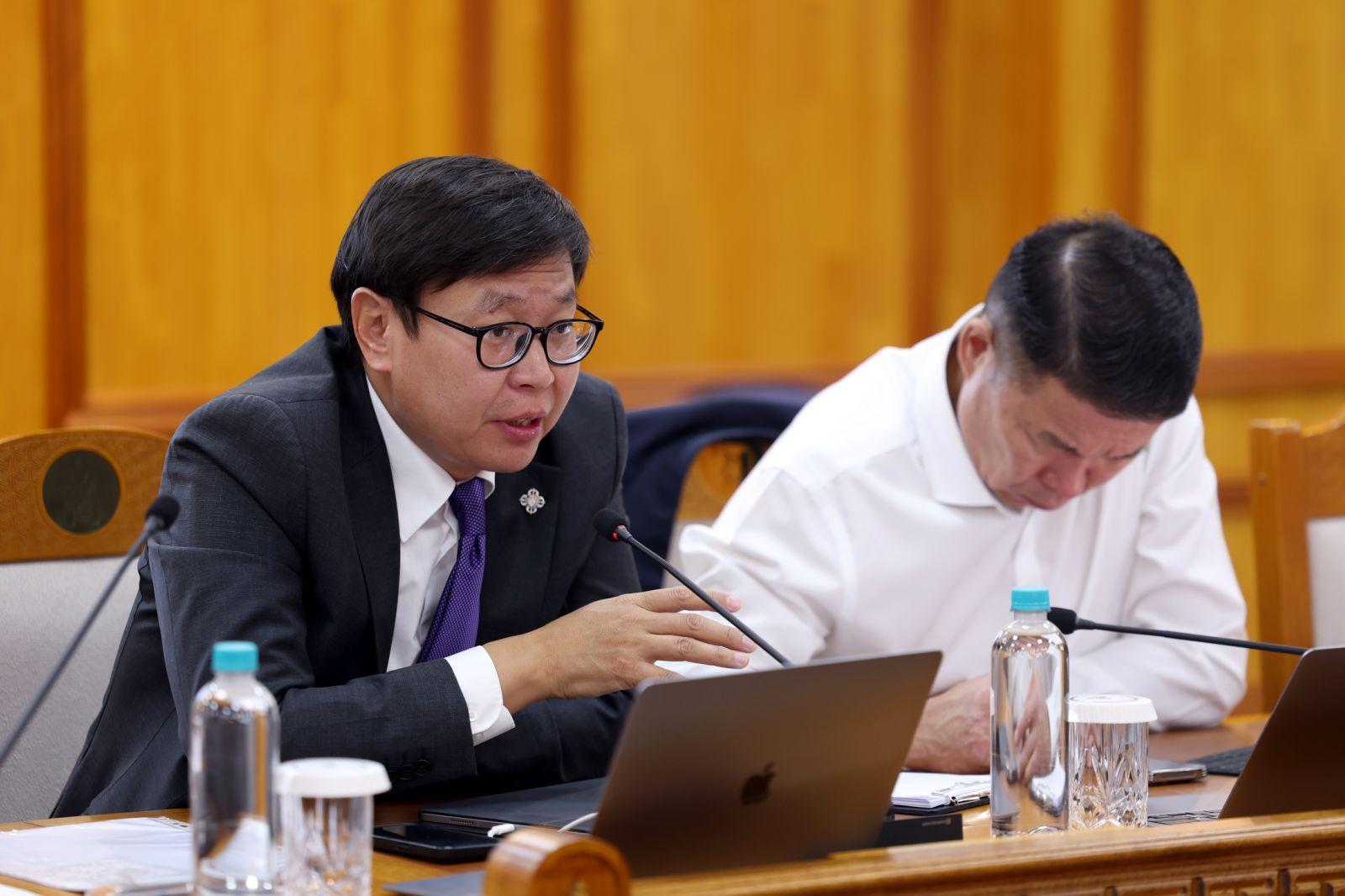
N.Uchral, Minister of Mongolia and Chief Cabinet Secretary had a meeting with Lee Sang-Min, Minister of Interior and Safety of the Republic of Korea today at the State Palace.  Following the meeting, the two ministers signed a Memorandum of Understanding (MOU) on “Cooperation in the Area of Digital Government”.

This collaboration aims to improve government efficiency through technological advancements, knowledge sharing in the digitization of government, personnel training, research collaboration, and fostering ties between relevant organizations.

Minister N.Uchral emphasized the importance of the MOU, stating, “The Government of Mongolia is committed to improving the quality and accessibility of public services while undertaking reforms to establish a more effective civil service. I am confident that this memorandum will contribute to steps towards achieving these goals. “

Minister Lee Sang-Min affirmed that the Ministry of Interior and Safety of the Republic of Korea is committed to supporting the projects under the MOU and strong and successful collaboration between the two nations.


On September 11, the Cabinet convened for its regular meeting, with key highlights from the session summarized as follows:

Government to Expedite Implementation of Mega Projects

The coalition government, formed following the 2024 parliamentary elections, has outlined 14 major infrastructure and development projects in its action plan. The Prime Minister of Mongolia has tasked cabinet members with accelerating the execution of these projects.

Each cabinet member has been assigned to implement between 3 to 9 measures, totaling 129 distinct actions. Additionally, they are required to inform the public about the significance and expected outcomes of these projects. The members are also directed to prepare a comprehensive report on the government’s activities, due by December 20, 2024.

Parents to Share the Cost of Kindergarten Meals

The Cabinet has decided to raise the cost of kindergarten meals by 1,000 MNT. As a result, the daily cost of meals will increase to 4,000 MNT for kindergartens operating 8 to 10 hours a day, and 5,100 MNT for 24-hour kindergartens. Parents or guardians will be responsible for covering 1,000 MNT of this amount.

This resolution will apply to over 135,000 children enrolled in 310 state-run kindergartens across Ulaanbaatar. For parents, this translates to an additional 22,000 MNT per month or 190,000 MNT annually. The government will continue to cover 75% of the total meal cost, while parents contribute the remaining 25%.

Furthermore, the government will fully subsidize meal costs for 50,440 children from vulnerable groups, including orphans, children with disabilities, and those from low-income families. This decision will take effect on October 1, 2024.

“Paperless Government” Initiative to Digitize Operations

At the Cabinet meeting, N. Uchral, Chief of the Cabinet Secretariat, presented the “Paperless Government” initiative, aimed at digitizing government operations to enhance efficiency and reduce costs.

Cabinet members, along with local governors and government institutions, have been instructed to facilitate the digital exchange of documents. In addition, N. Uchral and O. Altangerel, the Minister of Justice and Home Affairs, have been tasked with refining the legal framework to support digital information exchange and streamline government processes.

A study by the State Productivity Committee revealed that the average annual paperwork cost for a single ministry amounts to 44.1 million MNT, with the total cost for 15 ministries reaching 662.3 million MNT. Additionally, ministries collectively spend 574.2 million MNT annually on postal and communication services.

The shift to digital operations is expected to reduce these costs and accelerate the provision of government services to citizens.

“New Cooperative Movement” to Be Strengthened Nationwide

The Government of Mongolia has launched the “New Cooperative Movement” to support herding families, increase revenue from livestock, and boost the incomes of herders through the production of animal-derived raw materials and products.

A five-year action plan, titled “New Cooperative – Prosperous Herders,” has been approved, and the government has committed to providing preferential investment loans to cooperative members. In the past 3 months, these loans were provided by commercial banks, with the government subsidizing interest rates.

To date, loans amounting to 502.3 billion MNT have been distributed to 14,600 herders belonging to 4,400 cooperatives. Additionally, 1,570 herders have submitted projects worth 88.3 billion MNT, which are currently under review by banks.

Following the Cabinet’s discussion, relevant government members and provincial governors were instructed to intensify the “New Cooperative Movement” at the national level.

Prime Minister of Mongolia, Oyun-ErdeneLuvsannamsrai, officially welcomed Han Zheng, Vice President of the People’s Republic of China, during his visit to Mongolia at Sukhbaatar Square.

Following the playing of the national anthems of both countries, Prime Minister Oyun-Erdene Luvsannamsraiand Vice President Han Zheng paid their respects to the white military flag as part of the State Ceremony. Vice President Han Zheng then reviewed the State Honor Guard.

After the formalities, the Prime Minister and the Vice President greeted representatives from Mongolia and China in attendance and paid tribute to the statue of Chinggis Khaan