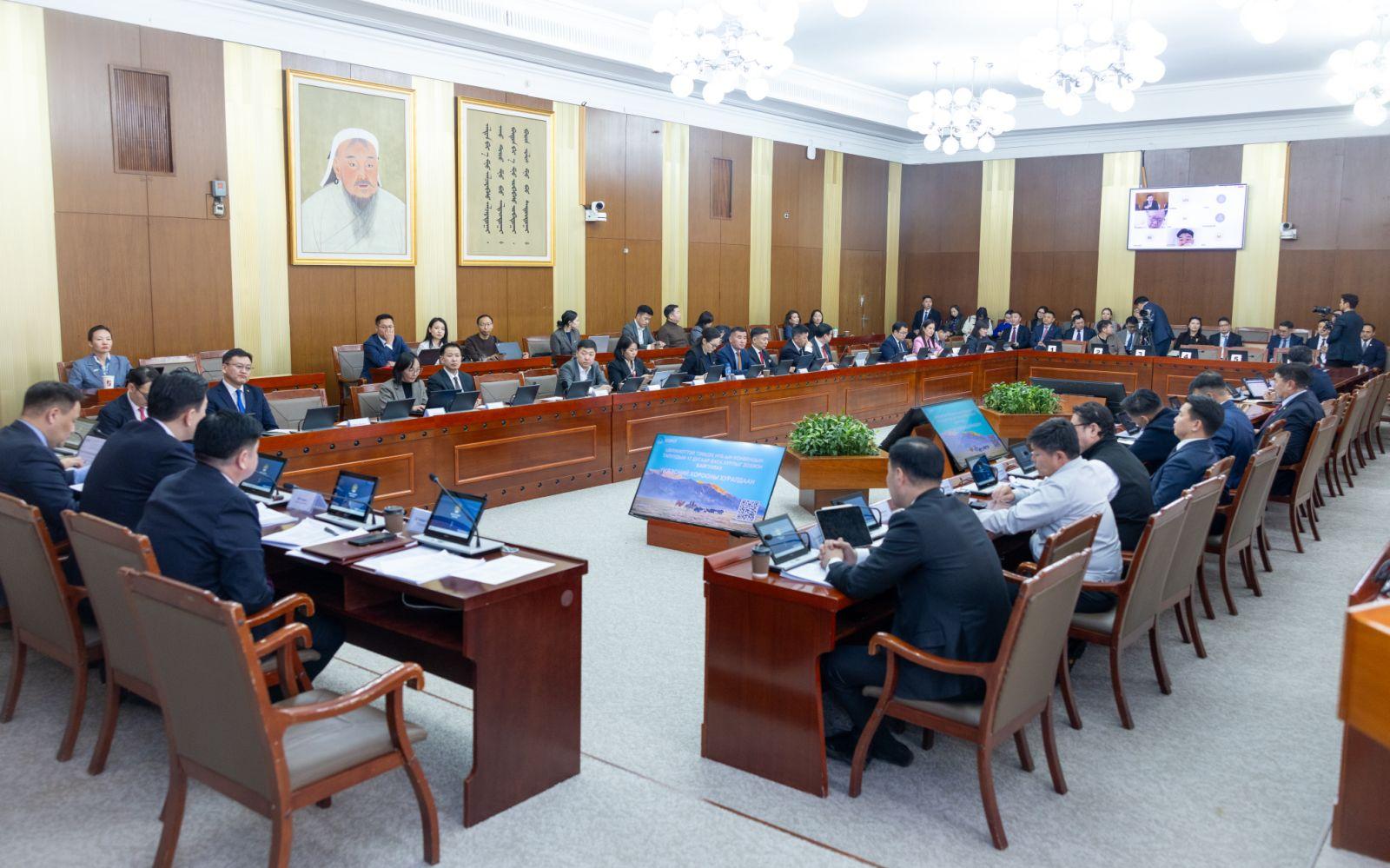
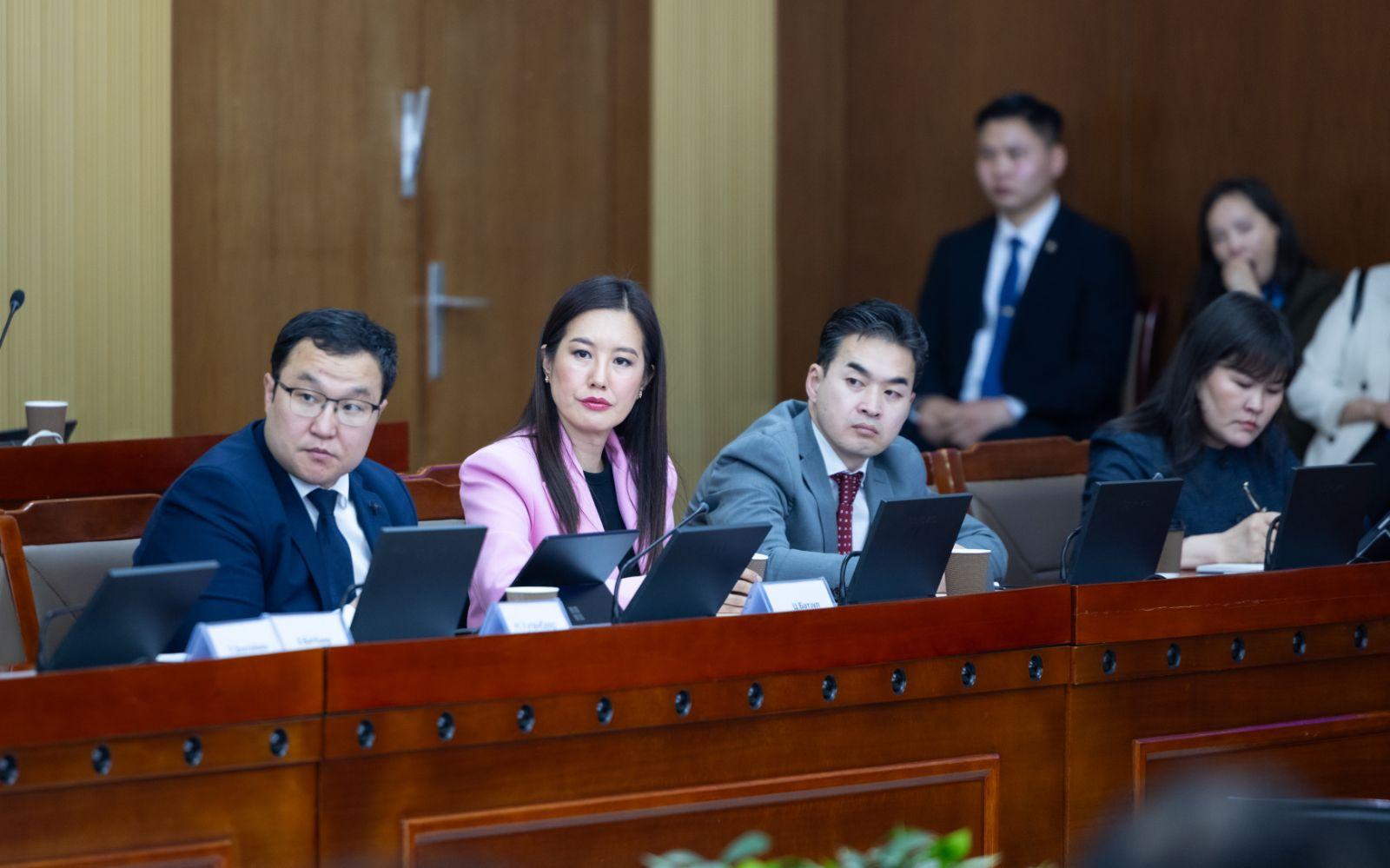
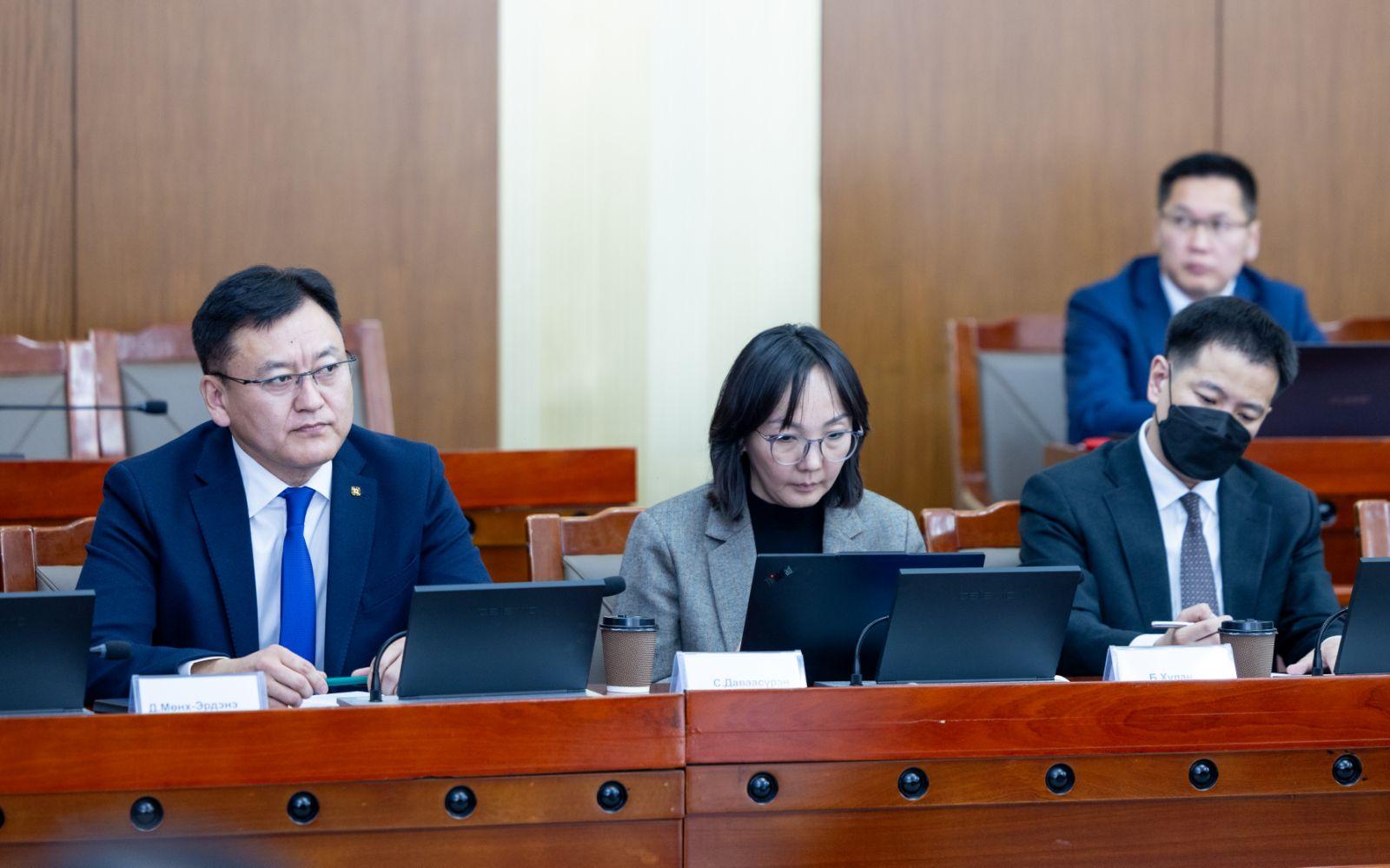
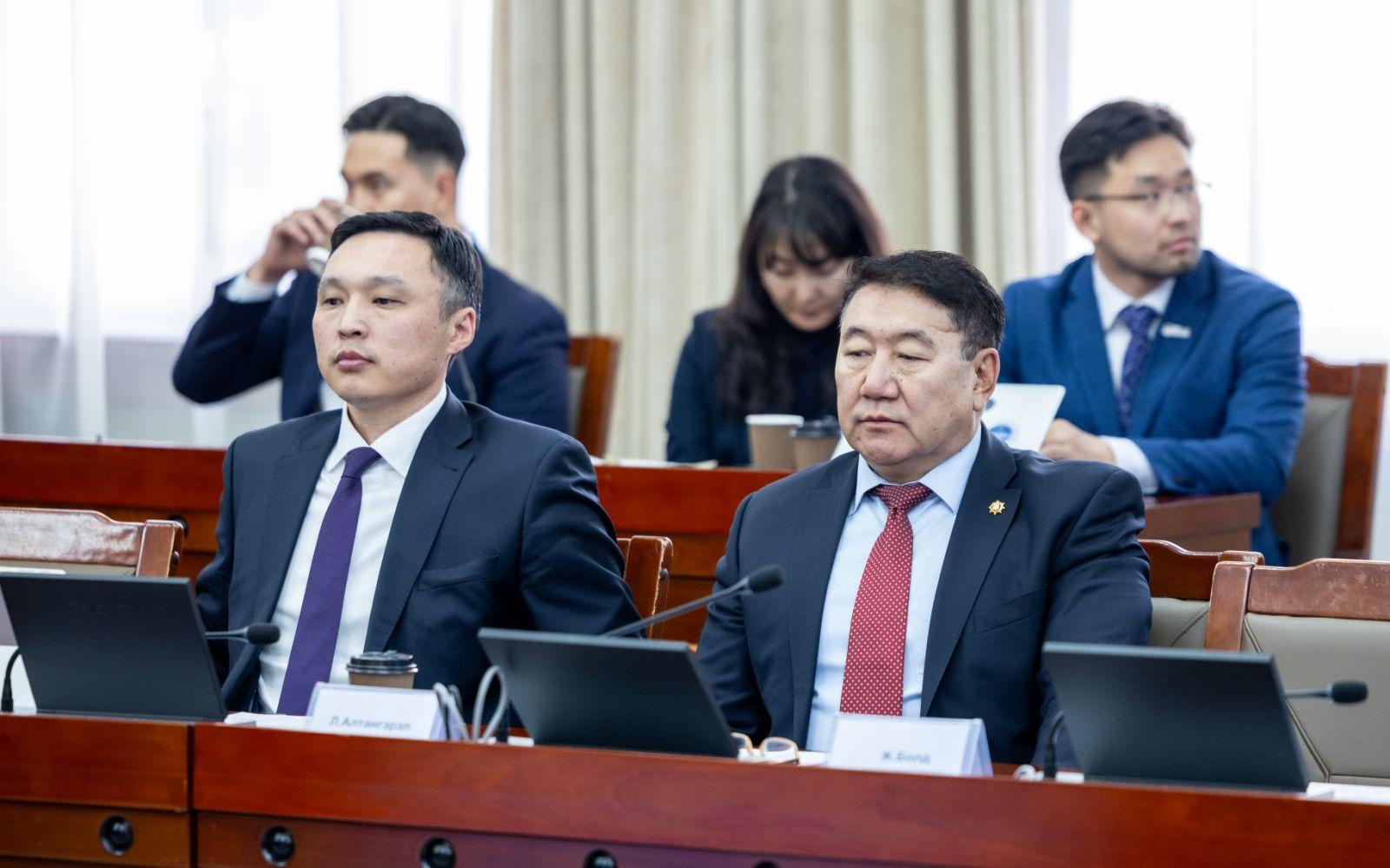
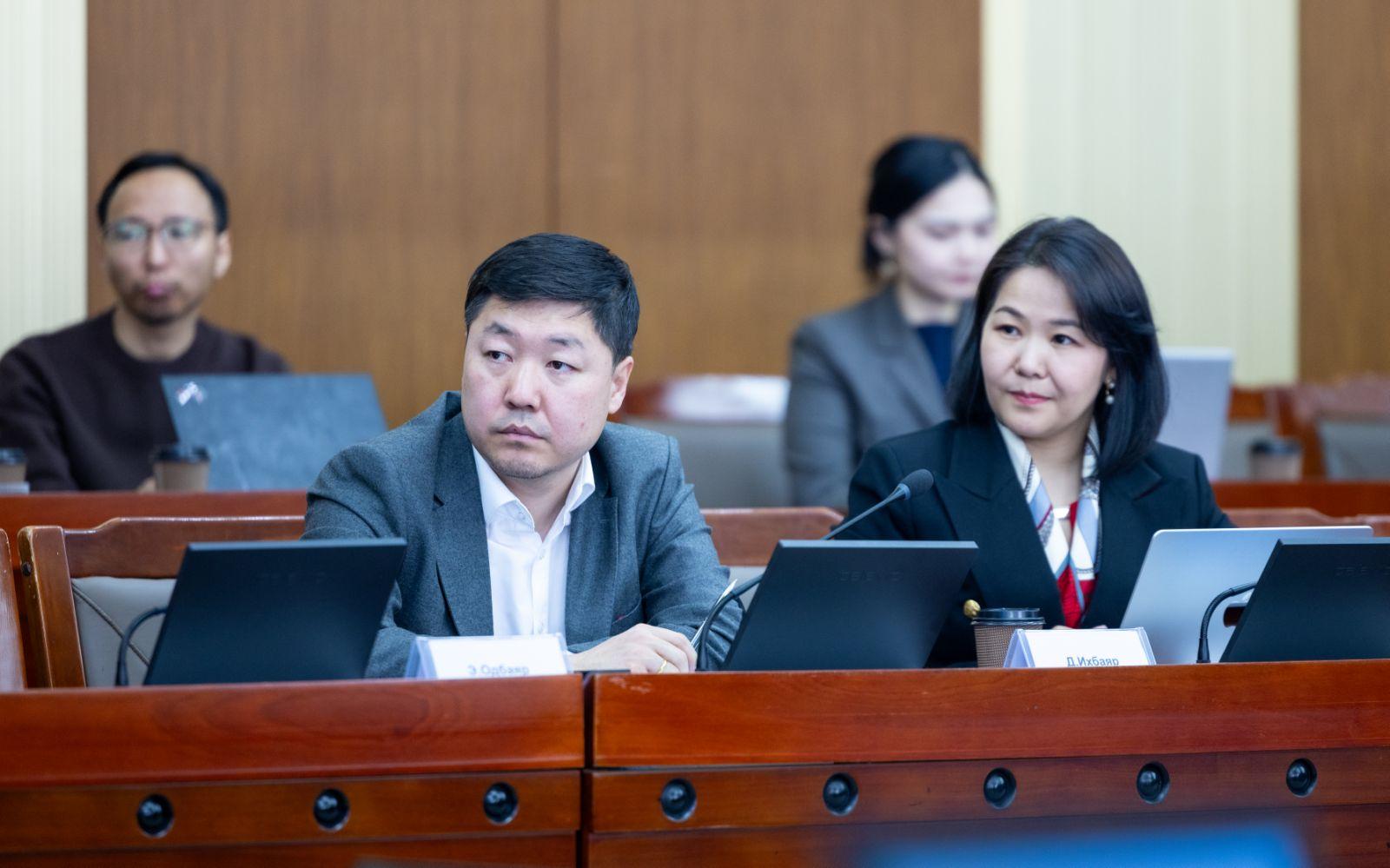
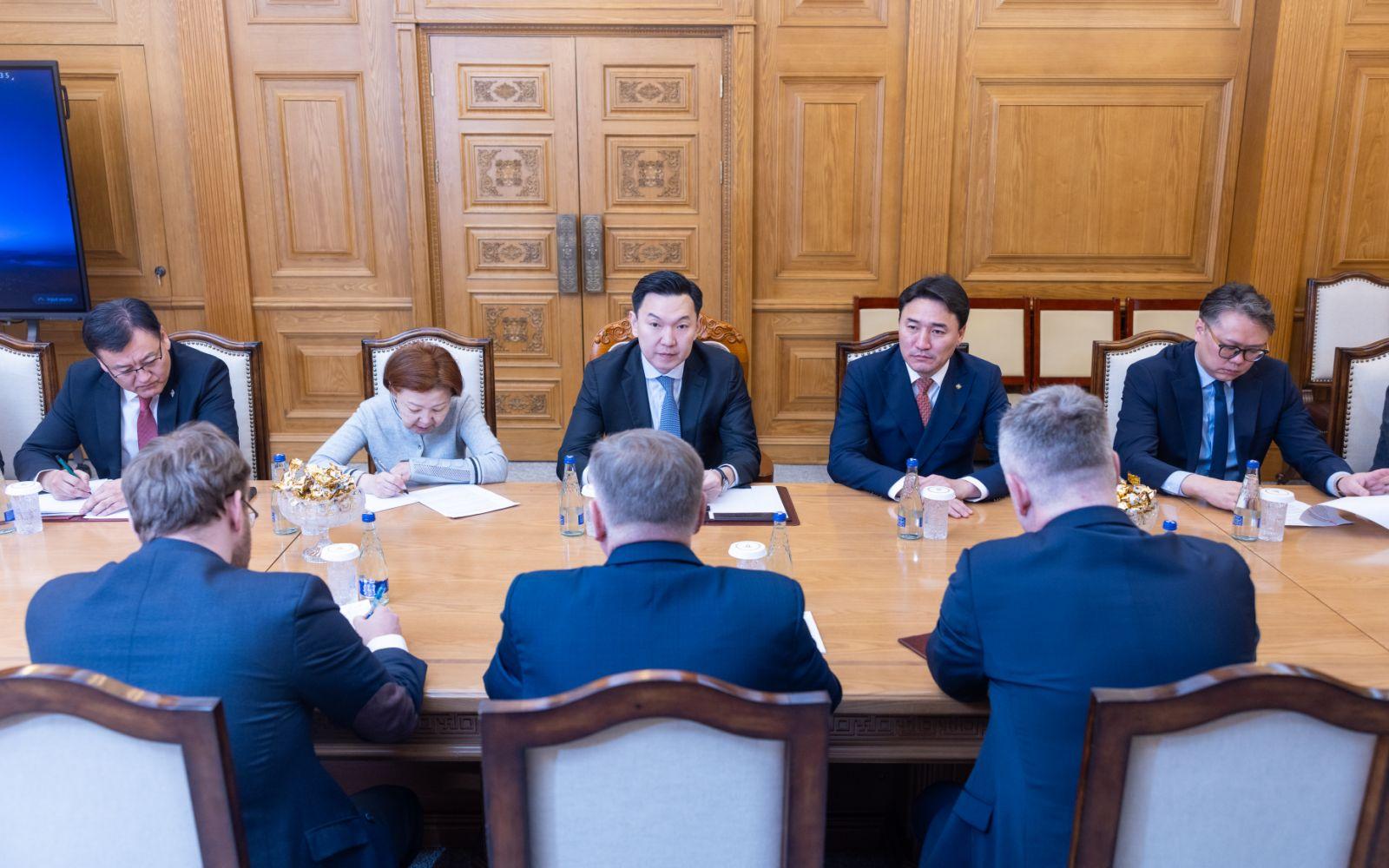
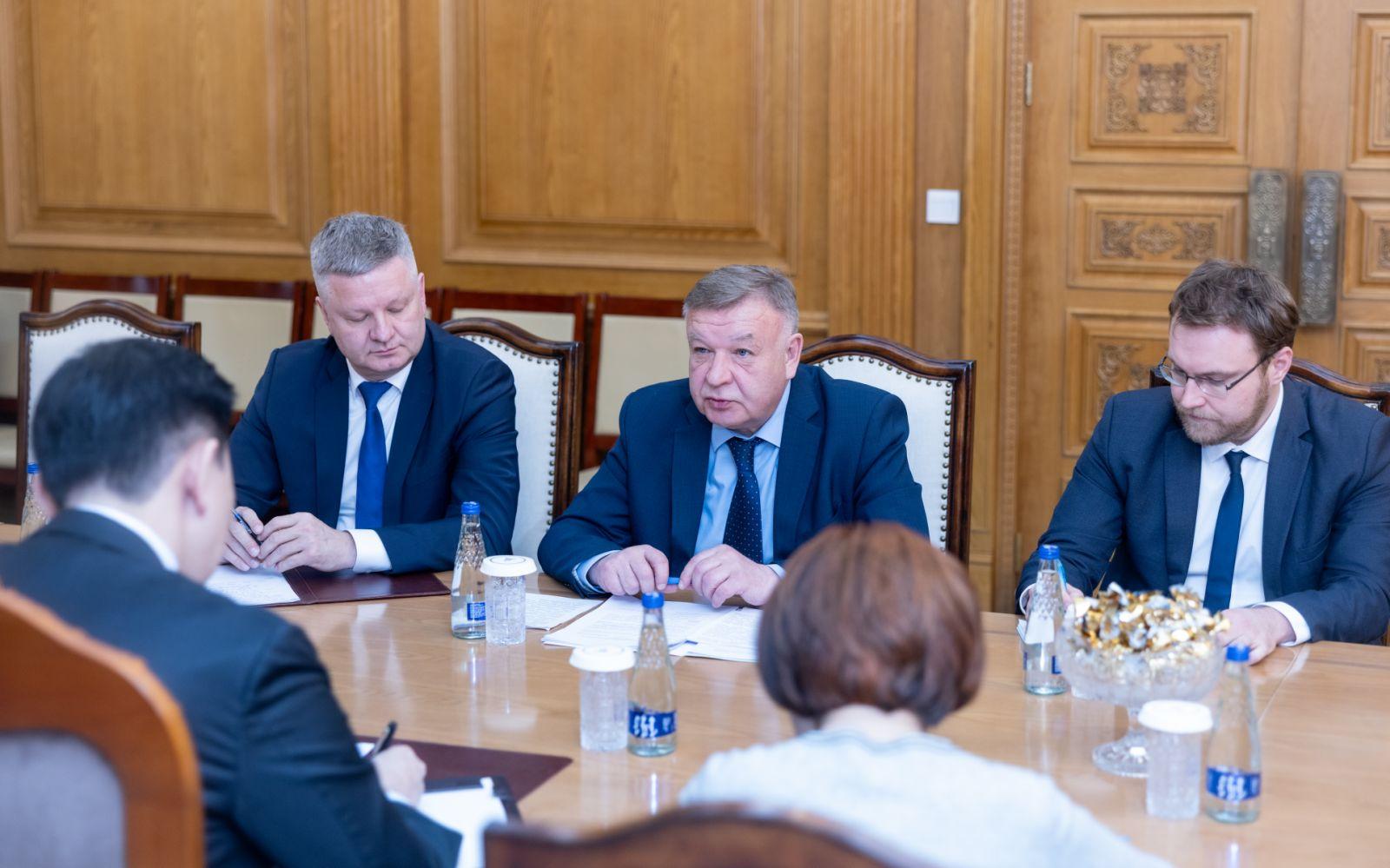
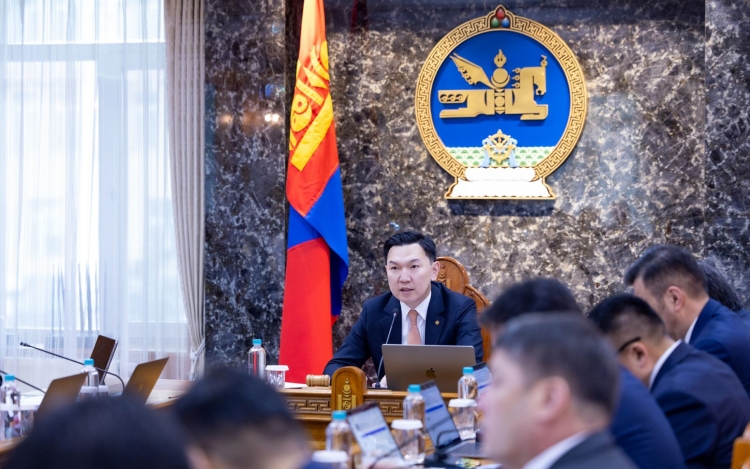
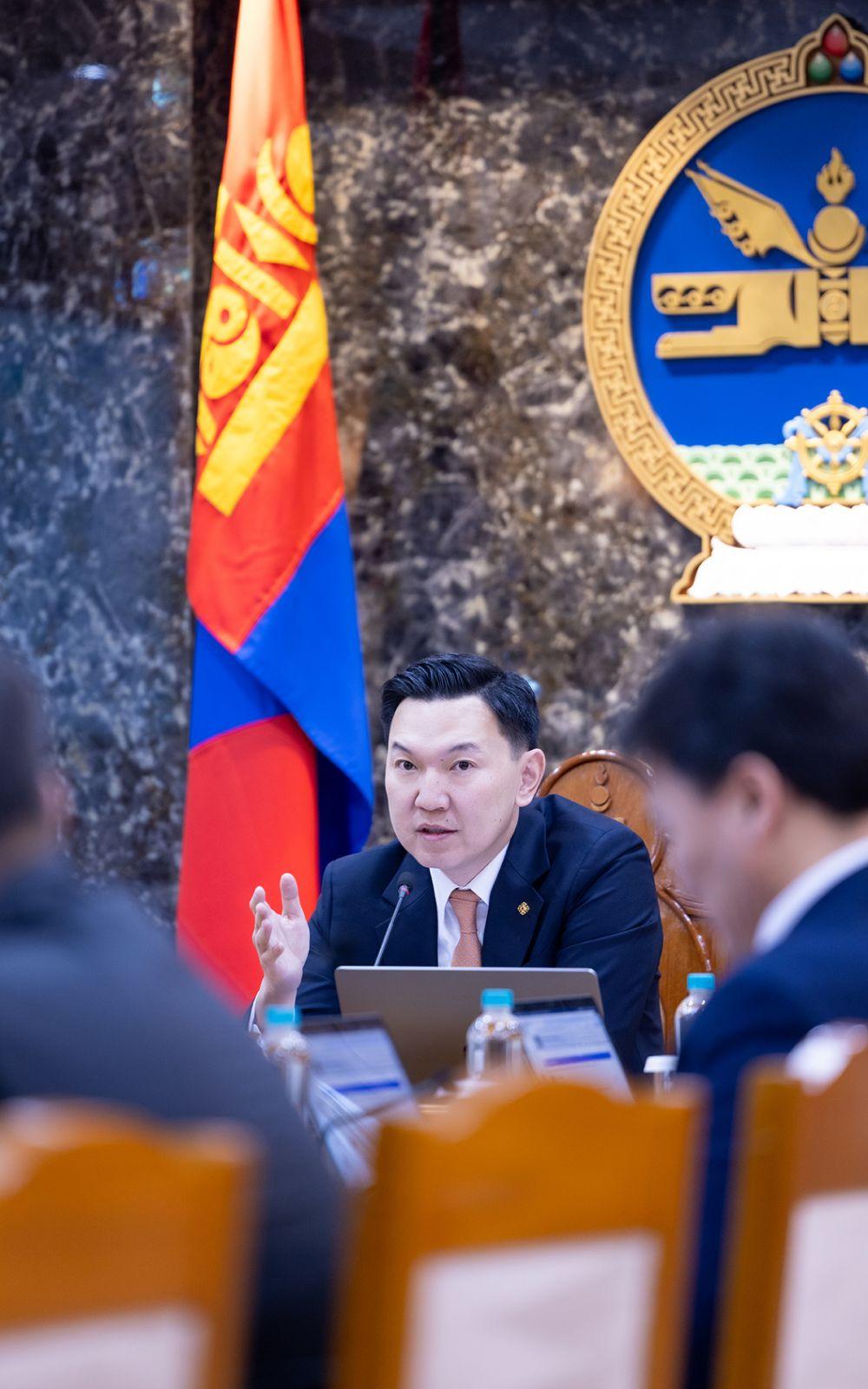
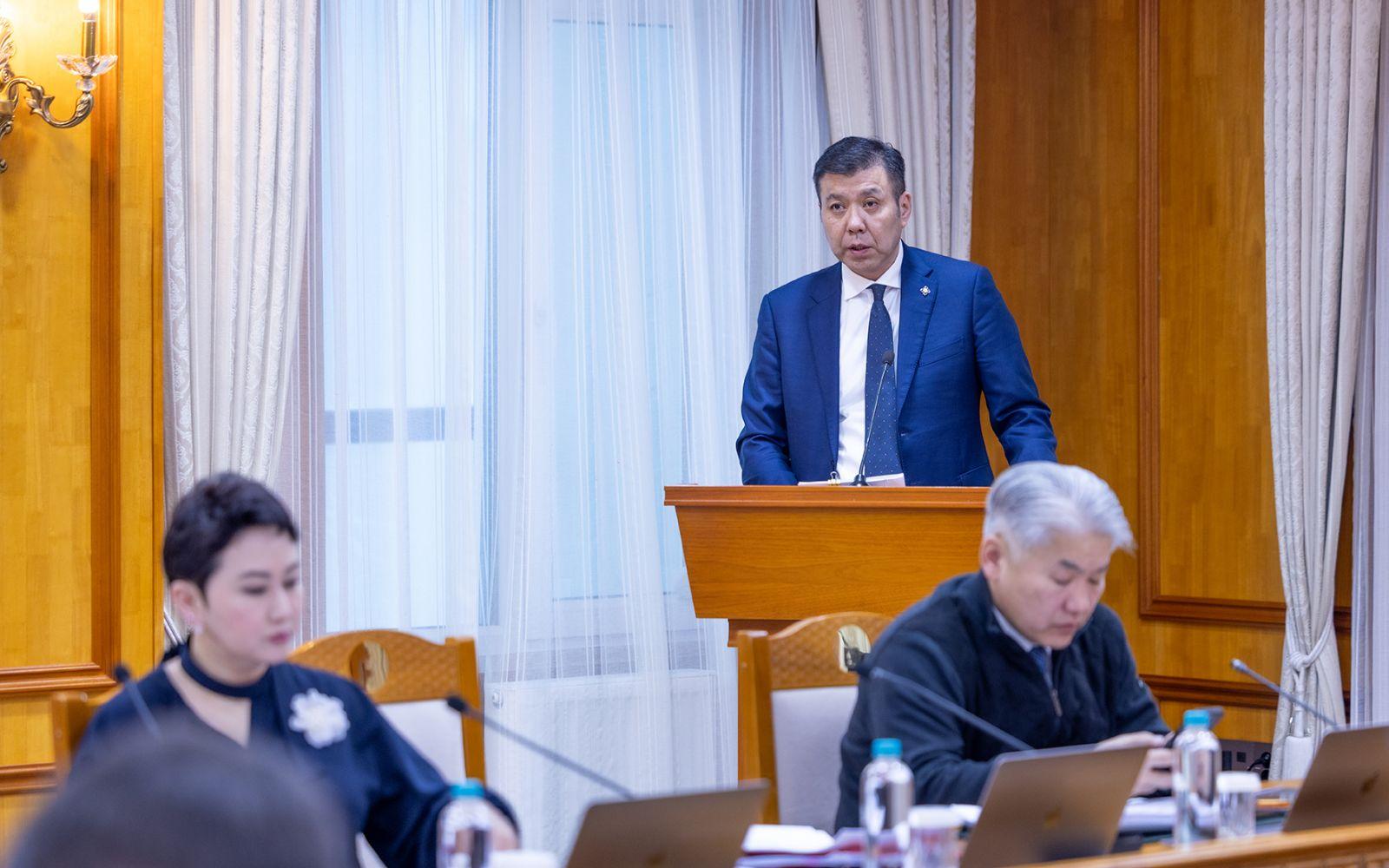
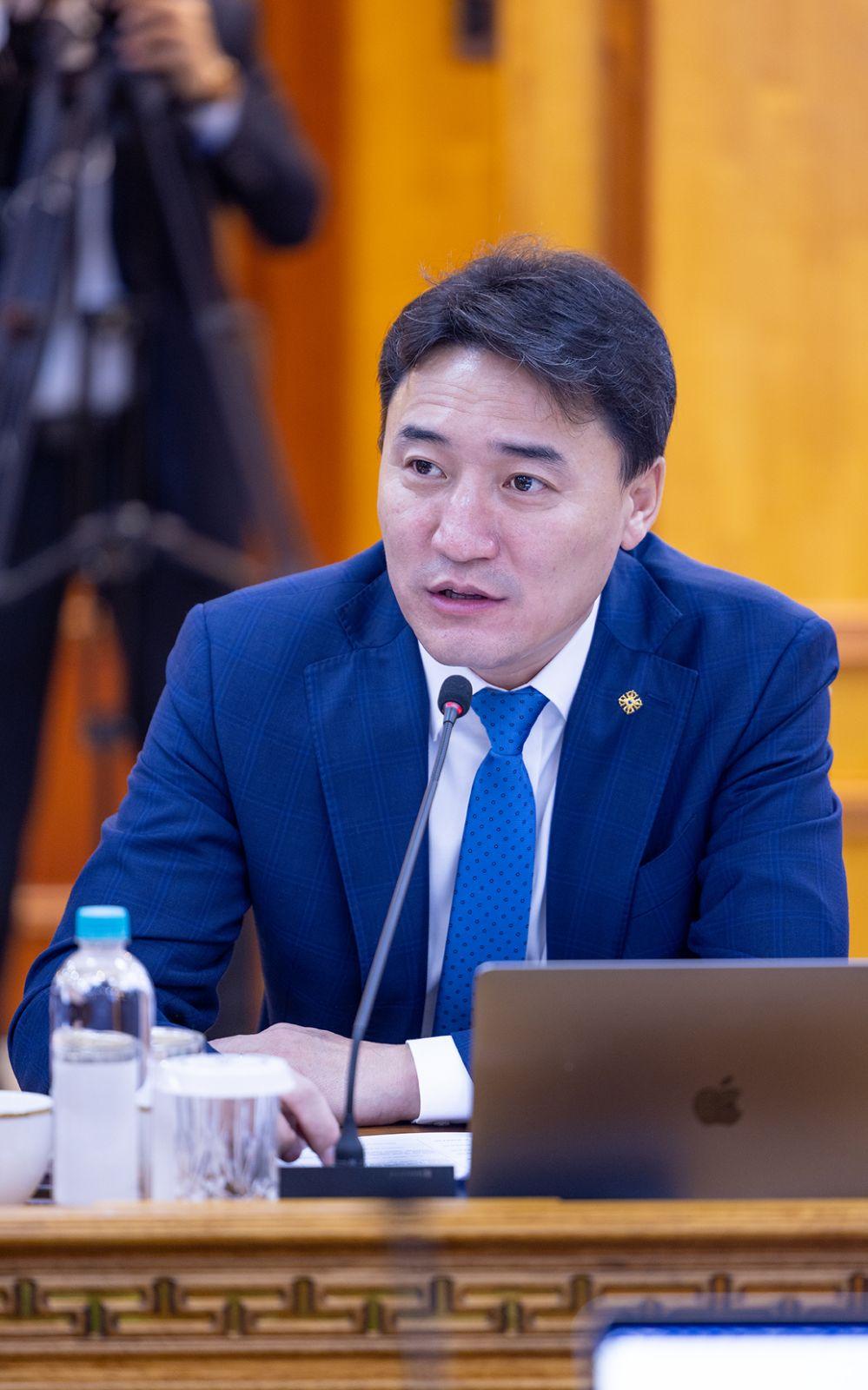
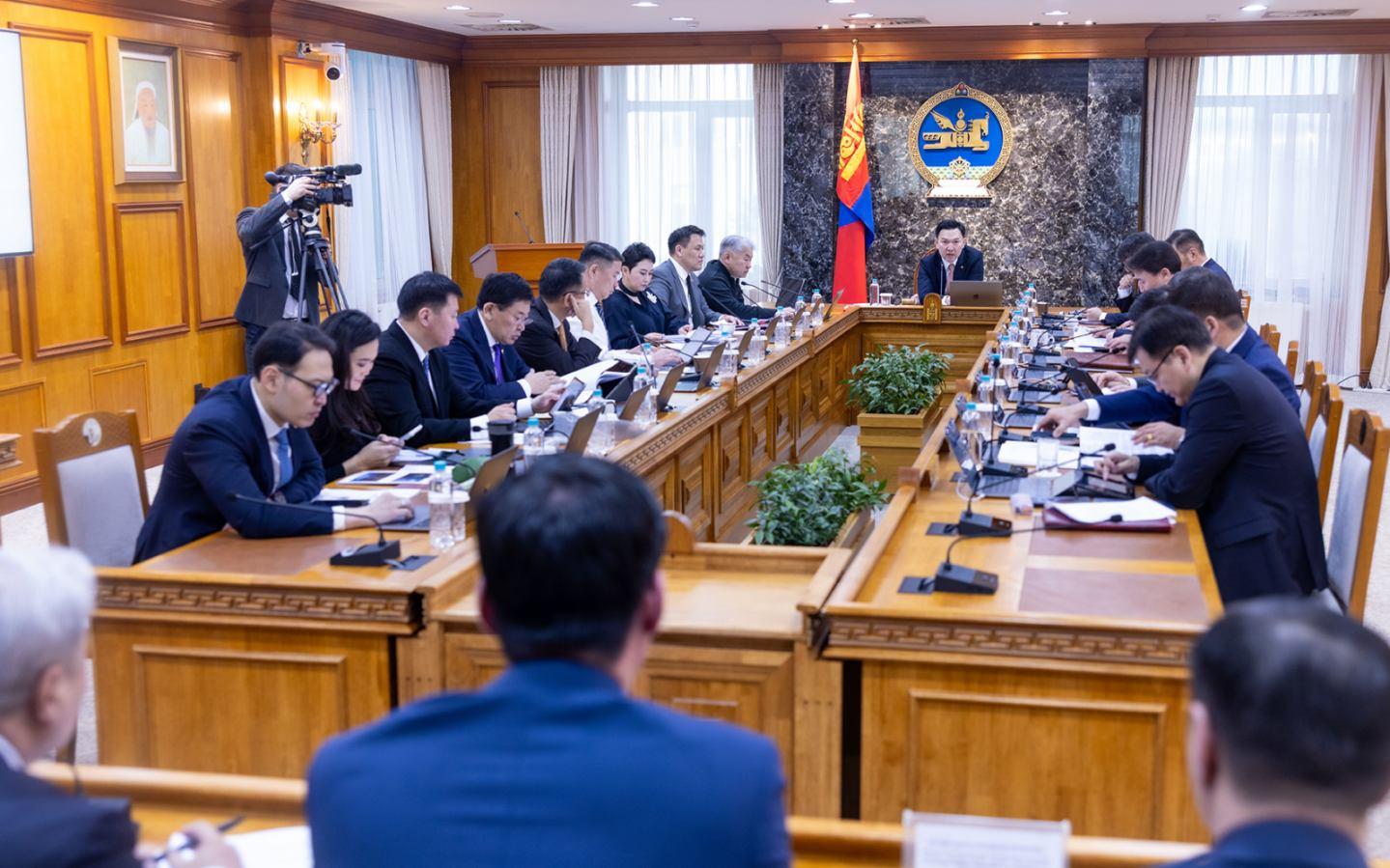
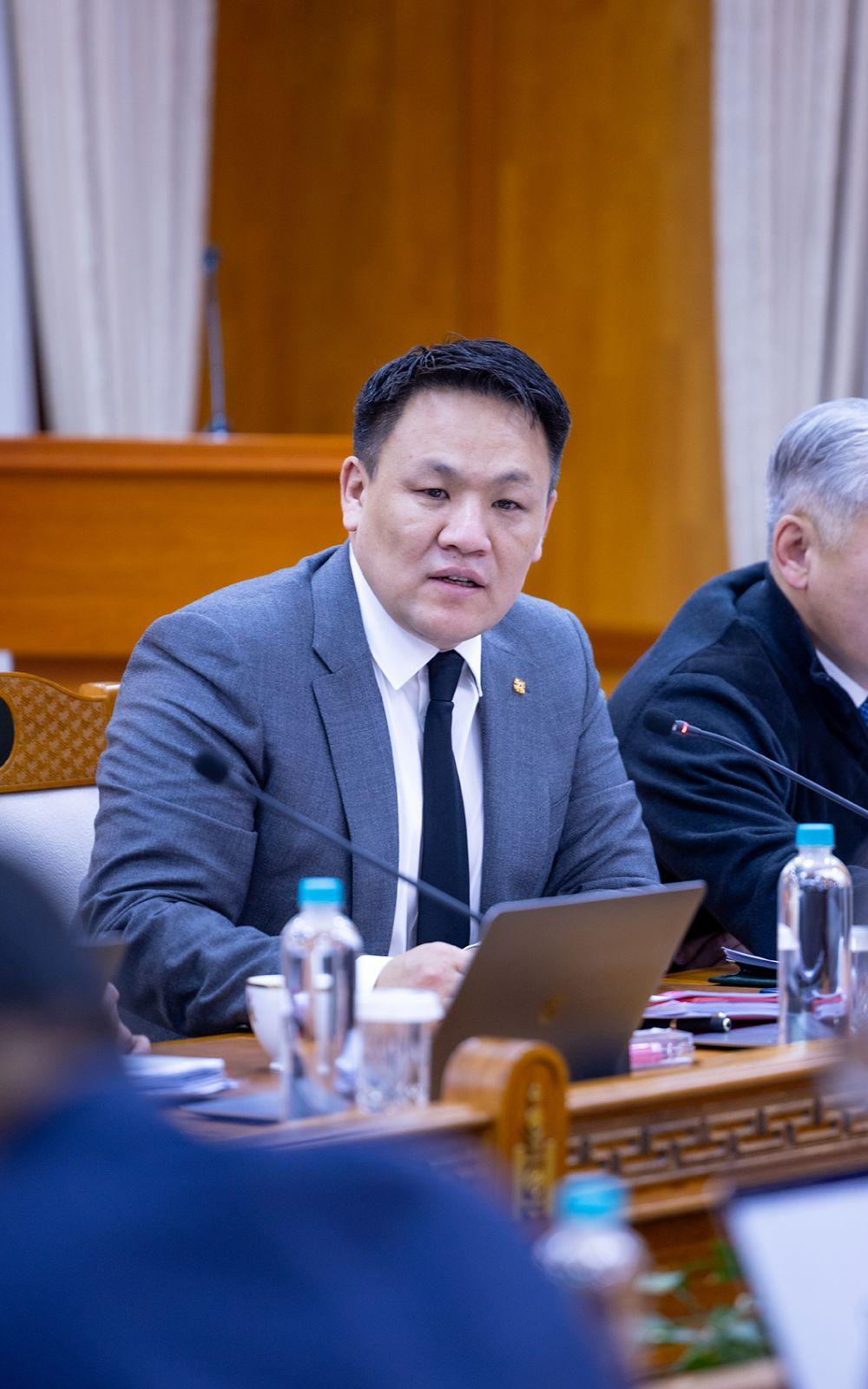
Highlights from the Cabinet Meeting on March 4
Government to Declassify 894 Official Secrets
The Government of Mongolia will streamline the classification of official information and declassify hundreds of documents currently labeled confidential.
At its meeting, the Cabinet agreed to submit to the State Great Hural a revised draft of the Law on State Secrets, along with legislation approving the list of state secrets and related amendments.
Under the proposal, the current Law on State and Official Secrets will be renamed the Law on State Secrets, narrowing its scope to matters related strictly to state secrets.
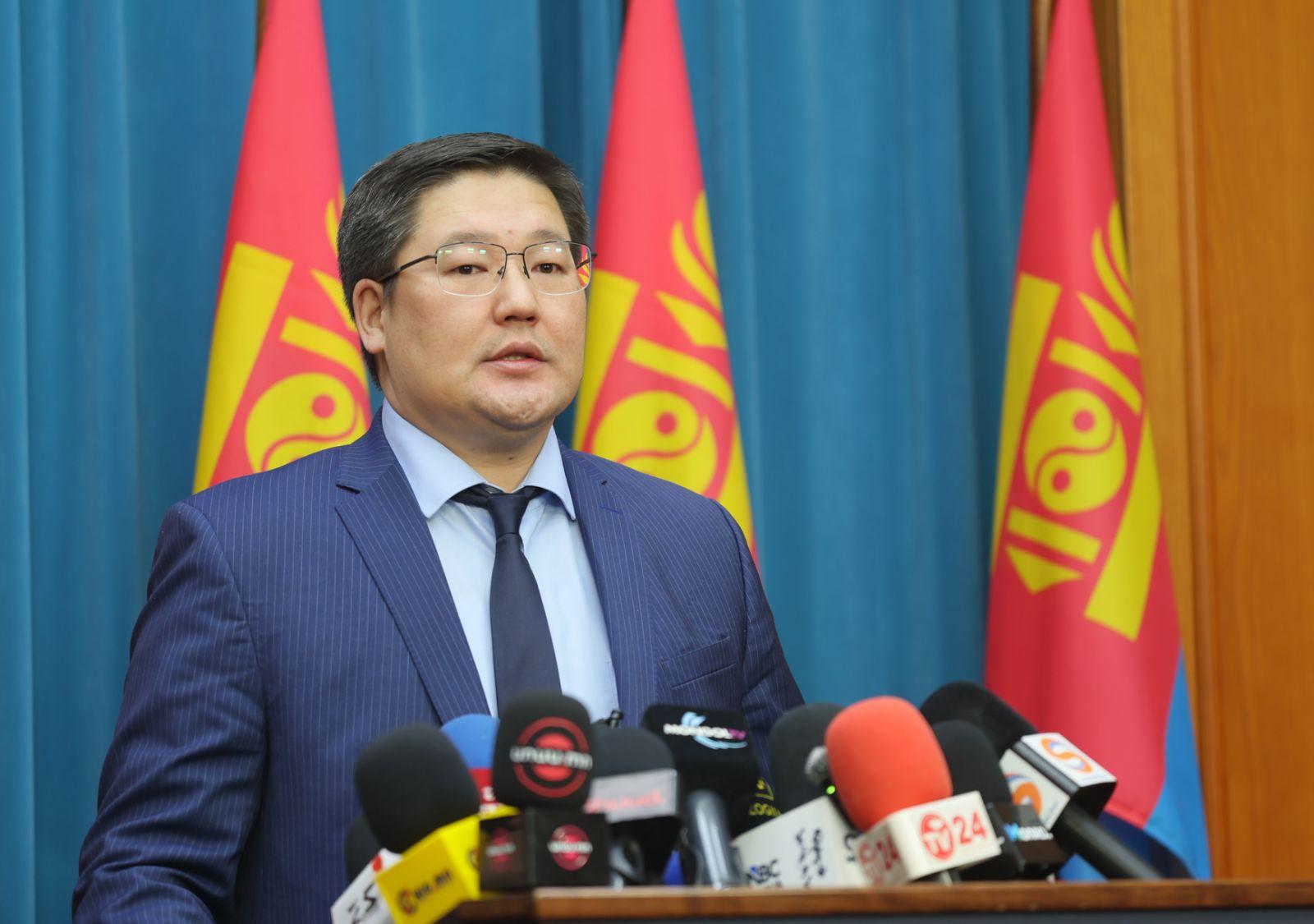
Deputy Minister of Justice and Home Affairs D. Munkh-Erdene said 894 items currently classified as official secrets will be made public once the law is adopted.
Officials noted that some institutions have improperly classified information, undermining transparency and restricting citizens’ right to information. The revised framework aims to ensure that all government information not related to state secrets remains open to the public.
Government Approves Air Services Agreement with Bulgaria
The Cabinet approved an Air Services Agreement between Mongolia and the Republic of Bulgaria.
The agreement will allow Mongolian airlines to expand operations to Bulgaria and the wider European market, strengthen links to international transport and logistics networks, and broaden flight routes.
Officials say the deal will increase passenger traffic, promote tourism, and strengthen bilateral relations, trade, and economic cooperation.
Cabinet Discusses Inheritance of Erdenes Tavantolgoi Shares
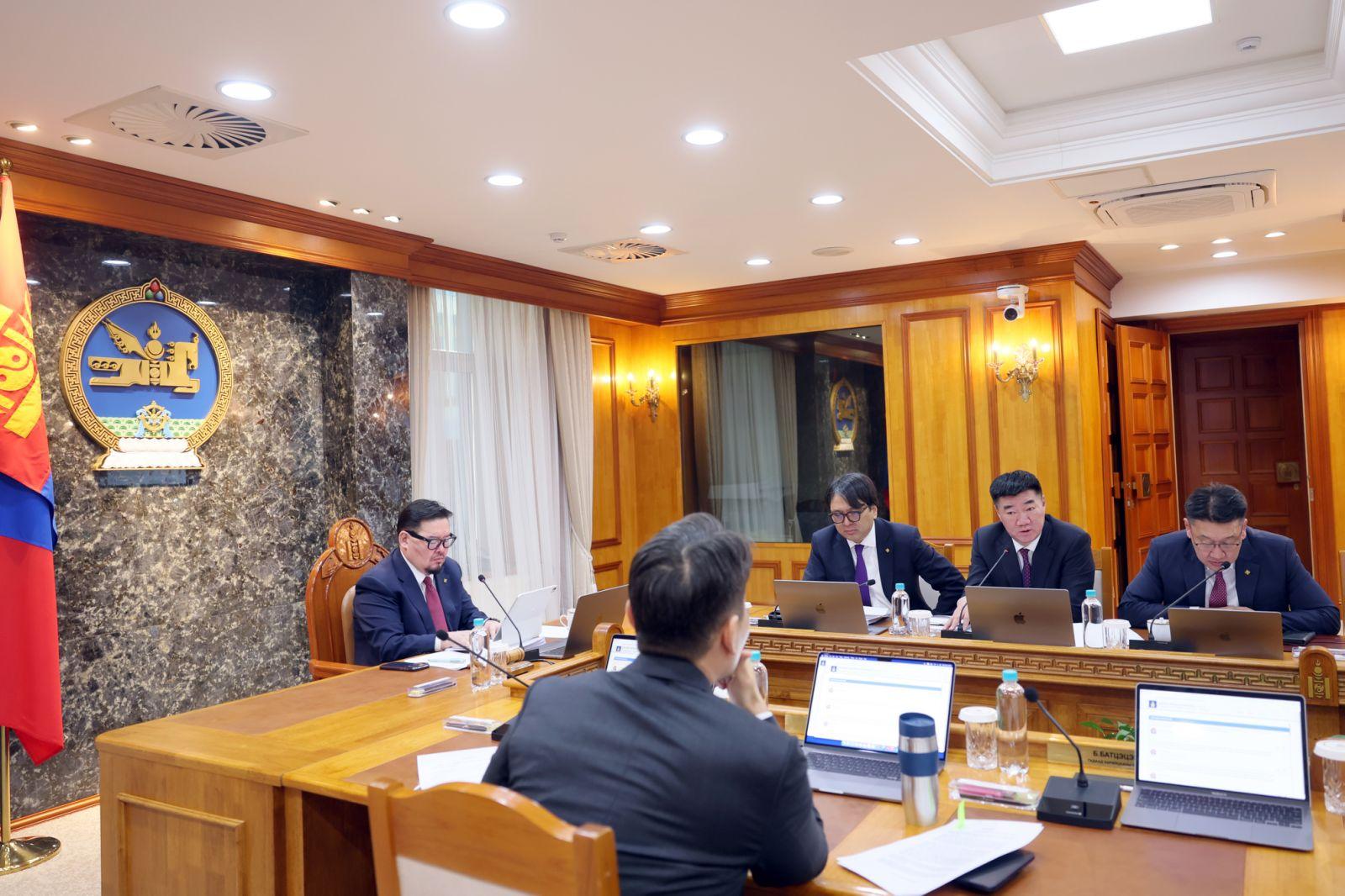
Chief of the Cabinet Secretariat S. Byambatsogt presented measures concerning Erdenes Tavantolgoi JSC.
Of the company’s 12 billion shares:
- 8.8 billion (73.5%) are owned by the state through Erdenes Mongol LLC
- 7 million (0.06%) are held by 488 national enterprises
- 3.2 billion (26.4%) belong to about 3.4 million Mongolian citizens
The government is reviewing issues including share inheritance, restoring the one-time option for citizens to reclaim shares, and resolving the status of 124,000 citizens born after 2024.
Officials were instructed to prepare a draft decision on share inheritance and possible additional allocations for discussion at next week’s Cabinet meeting.
Government to Support 5,000 Households in Poverty Reduction Initiative
The Cabinet reviewed poverty-reduction measures under the “300-Day Plan to Deliver Economic Growth to Citizens.”
Minister of Family, Labor and Social Protection T. Aubakir introduced the “Supporting Household Employment and Lifting Families Out of Poverty” program.
The initiative will provide targeted employment and income-generation support to around 5,000 households in 2026, aiming to reduce unemployment, increase incomes, and connect families with essential social services.
The Prime Minister will issue a directive instructing local authorities nationwide to coordinate poverty-reduction and employment measures aligned with regional development policies.
Government Orders Faster Tendering for 2026 Budget Projects
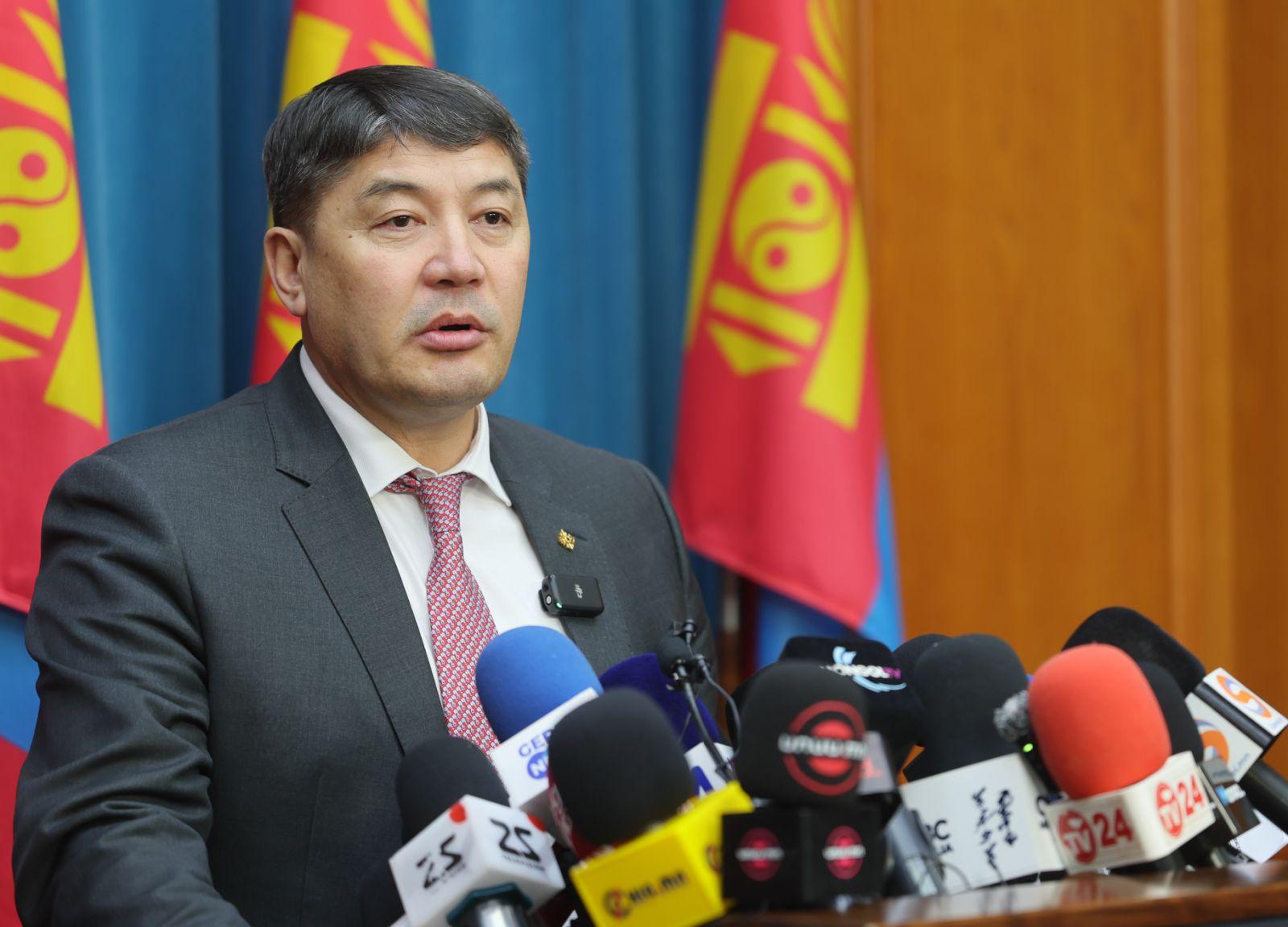
Deputy Prime Minister T. Dorjkhand briefed Cabinet members on procurement for projects funded under the 2026 state budget.
Authorities were instructed to announce all tenders by March 15, 2026, and complete contractor selection by April 30.
The government will also monitor procurement progress regularly.
The 2026 state budget includes 296 investment projects and measures totaling 3.534 trillion MNT.
Mongolia Successfully Issues USD 500 Million Bond
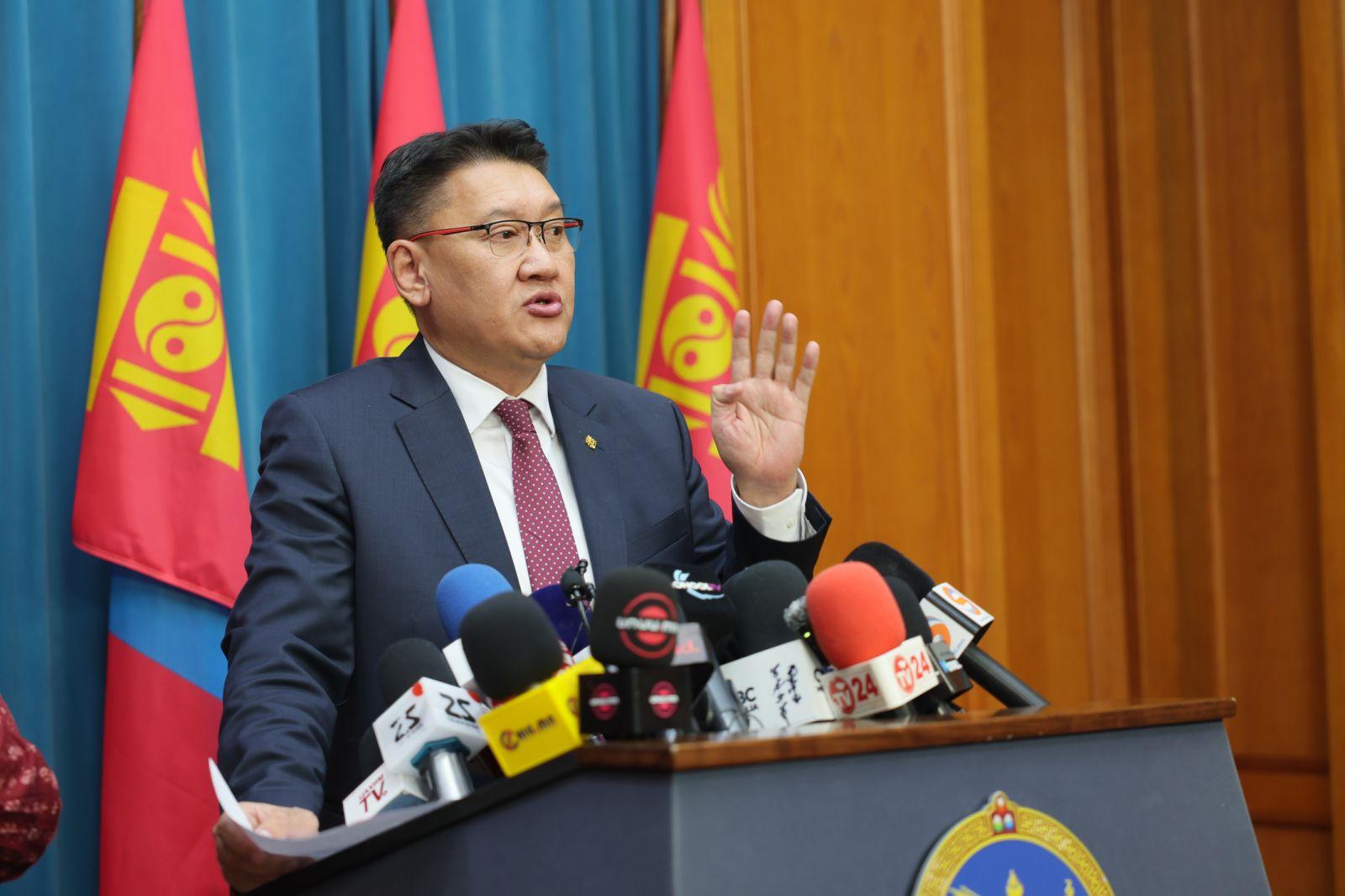
Finance Minister B. Javkhlan announced that Mongolia has successfully issued a USD 500 million international bond.
The new “Century-5” bond, issued on March 3, 2026, has a six-year maturity and a 5.95% interest rate. Proceeds will refinance part of the Nomad bond due in 2026 and the Century-2 bond due in 2028.
Mongolia also repurchased USD 321.6 million of existing bonds, saving about USD 14.5 million (51.7 billion MNT) in interest payments.
Despite volatility in global markets following joint attacks by the United States and Israel on Iran, the bond issuance attracted strong demand, with USD 1.6 billion in orders – more than three times the issuance amount.
Officials said the successful offering reflects investor confidence in Mongolia’s macroeconomic outlook and debt management policies.
 Mongolian